
Most crime writers obsess over their opening chapters but treat their back matter as an afterthought. This is backwards thinking that costs you readers, sales, and the kind of series momentum that separates hobbyists from professionals. Your back matter isn’t just filler—it’s your most powerful conversion tool.
Across eighteen series and more than 150 novels, I’ve learned that readers who finish your book are in their most receptive state for your next pitch. They’ve just invested hours in your world, connected with your characters, and experienced the satisfaction of resolution. This is when you strike, not with a timid suggestion, but with strategic precision that turns casual readers into devoted series followers.
The Hook Before the Hook: Series Teasers That Work
Your immediate priority is keeping readers in your fictional universe. The moment they close your book, they should know exactly what comes next and why they need it. I don’t mean a dry synopsis—I mean a carefully crafted teaser that creates genuine anticipation.
In my DCI Isaac Cook series, I end each book with a glimpse of Cook’s next case, usually a crime scene description or a character interaction that poses an intriguing question. Not a chapter, not a full scene, but enough to plant a seed. The key is raising stakes, not resolving them. Show your protagonist facing a new challenge, hint at personal consequences, or introduce a threat that feels both fresh and inevitable.
This technique works because crime readers are puzzle solvers by nature. They’ve just finished one mystery and their brains are primed for the next challenge. Give them a taste of that challenge immediately, while their investment in your characters is at its peak. Generic ‘Book Two continues the adventure’ copy won’t cut it. Specific, visceral teasers will.
The Strategic Series Map
Crime series aren’t just collections of individual books—they’re ecosystems. Your back matter should make this ecosystem visible and navigable. List your series in order, but more importantly, guide readers toward the optimal reading path.
I’ve found that new readers often discover my work through later books in a series, then want to go back to the beginning. Others prefer to sample different series before committing to one. Your back matter should accommodate both reading styles. When someone finishes Maya Thorne Book Four, they need clear direction: do they continue with Book Five, or would they enjoy starting the DI Tremayne series?
This requires understanding your own work strategically. Which series share similar themes or appeal to similar readers? Which books work as standalone entry points? Police procedural novels often allow more flexible reading order than tightly plotted psychological thrillers. Know your genre conventions and use them to guide reader navigation.
How I Actually Structure My Back Matter
Here’s my standard sequence, refined through years of testing what actually works. First comes the immediate series teaser—that glimpse of the next book that creates urgency. Then a brief author note that feels personal but professional. Readers want to know they’re supporting a real person, not a content machine.
Next, I include my series overview with strategic descriptions. Not just ‘DI Tremayne investigates crimes in rural England’ but ‘DI Tremayne navigates the dark undercurrents of seemingly peaceful villages, where everyone has secrets and some are worth killing for.’ The difference is emotional resonance versus functional description.
I end with social proof—selected reader reviews that highlight specific elements new readers care about: compelling characters, authentic police procedure, or atmospheric settings. These aren’t random five-star quotes but carefully chosen testimonials that address common reader concerns. When someone praises the accuracy of forensic details or the authenticity of dialogue, that information helps readers decide if they’ll enjoy the series.
What Kills Conversion: The Back Matter Mistakes That Lose Readers
The biggest mistake is treating back matter like a dumping ground for everything you couldn’t fit elsewhere. Long author biographies, extensive acknowledgments, detailed research notes—save these for your website. Your back matter has one job: getting readers to your next book.
Generic series descriptions are equally deadly. ‘Join Detective Smith as he fights crime in the big city’ tells readers nothing about why they should care. Compare that to ‘Detective Smith works the cases other cops won’t touch, hunting killers in the urban wasteland where justice is a luxury few can afford.’ Same character, same setting, but the second version creates atmosphere and stakes.
Another conversion killer is overwhelming choice. Don’t list every book you’ve ever written. Focus on the most relevant next steps for readers who just finished this particular story. Someone who enjoyed an action thriller might appreciate your espionage series, but probably not your cozy village mysteries. Be selective.
Finally, avoid the apologetic tone many writers adopt in their back matter. ‘I hope you enjoyed this story’ sounds uncertain. ‘If you liked this book, you might want to try’ hedges your bet. Crime readers want confidence from their authors. They want to know you believe in your work enough to recommend it without qualification.
The Newsletter Strategy That Actually Works
Every crime writer knows they need an email list, but most approach newsletter signups like they’re asking for charity. Your readers aren’t doing you a favor by subscribing—you’re offering them value they can’t get anywhere else.
I offer advance chapters, behind-the-scenes insights into how I develop characters, and exclusive short stories featuring series regulars in situations they never encounter in the novels. This isn’t busy work—it’s strategic content that deepens reader investment while keeping my work top-of-mind between releases.
The key is making your newsletter feel like insider access, not marketing noise. Crime readers are particularly skeptical of obvious sales tactics. They respond to authenticity and expertise. Share your research process, discuss real cases that inspired fictional scenarios, or explain the technical aspects of police procedure that inform your plots. Make them feel like they’re learning something valuable, not just being sold to.
Conclusion
Back matter that converts treats every reader who reaches your final page as a qualified prospect for your next book. They’ve already proven they’ll invest time in your storytelling—your job is showing them where to invest it next. Do this strategically, and you’ll build the kind of dedicated readership that sustains long-term writing careers.
About Phillip Strang
Phillip Strang is an Australian crime and thriller novelist. Across eighteen series and more than 150 novels, his work spans London police procedurals (DCI Isaac Cook), UK investigations (DI Tremayne), Australian outback crime (Maya Thorne), FBI thrillers (Alex Harlan), Scottish Highland mysteries (DI Sarah Lynch), and espionage (Steve Case). Learn more about Phillip or browse his complete catalogue on Amazon.
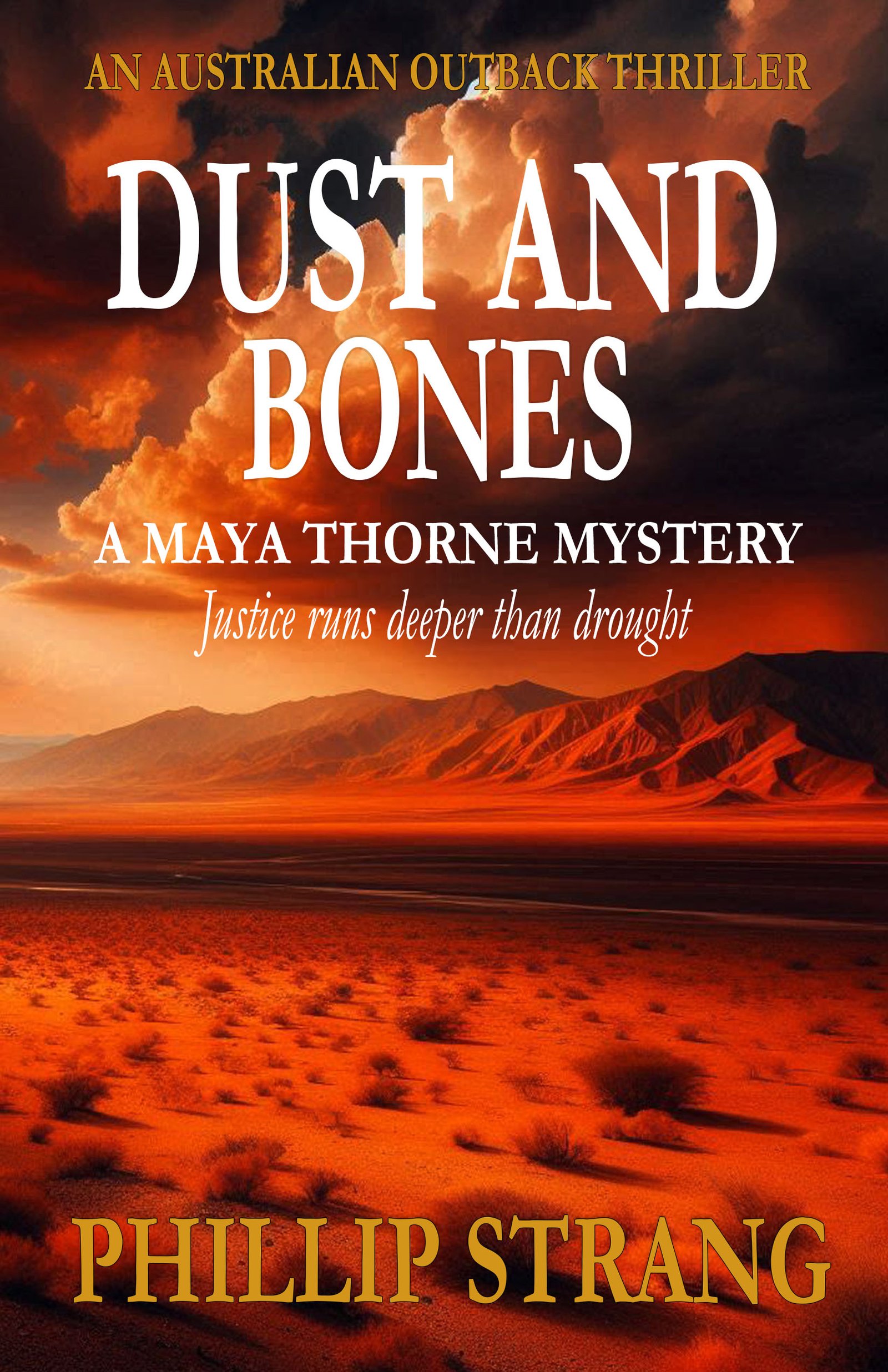
A MAYA THORNE MYSTERY
Get Dust and Bones Free
Justice runs deeper than drought.
Red dust. Shallow graves. A detective who hunts killers where the law runs thin and the nearest help is two hundred miles away.
Send Me the BookYou'll also receive occasional new release emails. Unsubscribe anytime. No spam, ever.
As an Amazon Associate, Phillip Strang earns from qualifying purchases. This page contains affiliate links — buying through them costs you nothing extra.