
Beat sheets promise to solve every plotting problem, but most crime writers approach them wrong. They treat these structural tools like rigid formulas rather than flexible frameworks that should bend to serve the story’s unique demands.
Across eighteen series and more than 150 novels, I’ve found that beat sheets work best when you understand what they’re really doing: creating reader expectations you can either fulfill or deliberately subvert. The key is knowing which beats matter for crime fiction and which you can ignore completely.
What Beat Sheets Actually Accomplish in Crime Fiction
Beat sheets aren’t about hitting predetermined plot points at exact page numbers. They’re about managing tension and information flow. In crime fiction, this means understanding how readers process clues, when they expect revelations, and where they’ll tolerate misdirection versus where they demand answers.
The classic three-act structure works for crime fiction because it mirrors how investigations naturally unfold: discovery of the crime, pursuit of leads through mounting complications, and final confrontation with the truth. But the beats within those acts need to serve your specific subgenre. A locked-room mystery requires different pacing than police procedural novels or psychological thrillers.
I’ve learned to think of beat sheets as diagnostic tools rather than prescriptive formulas. If my first act runs long, the beat sheet tells me whether I’m building necessary atmosphere or indulging in unnecessary setup. If the midpoint feels flat, I can check whether I’m delivering the revelation or reversal that keeps readers turning pages.
Adapting Beat Sheets to Crime Subgenres
Different crime subgenres demand different structural approaches, and cookie-cutter beat sheets ignore this reality. Cozy mysteries can afford gentler pacing in the first act because readers expect character development and setting establishment. Thrillers need to grab readers immediately because the promise is constant forward momentum.
In my DI Tremayne series, I use a modified beat structure that accommodates the procedural elements readers expect: the crime discovery, initial investigation beats, interview sequences, and evidence analysis. These aren’t found in standard Hollywood beat sheets, but they’re crucial for the subgenre. I’ve learned to build my beat sheet around these investigative rhythms rather than forcing them into inappropriate dramatic beats.
Psychological thrillers require their own structural considerations. The beats need to account for internal revelation as much as external action. When I’m plotting these stories, I track two parallel beat sheets: one for the external investigation and another for the protagonist’s psychological journey. The intersection of these beats creates the story’s most powerful moments.
How I Actually Use Beat Sheets
I start with a loose beat outline but never let it constrain the writing process. My approach involves identifying the major structural moments my story needs: the inciting incident, the first major setback, the midpoint revelation, the darkest moment, and the final confrontation. But I leave significant flexibility in how I reach these moments and what happens between them.
During the first draft, I write past the planned beats if the story demands it. Sometimes a scene that should be a simple transition becomes a major revelation because the characters surprise me. The beat sheet serves as a navigation tool, not a straitjacket. If I find myself significantly off course, I can adjust the remaining beats rather than forcing the story back to the original plan.
In my Maya Thorne series, the Australian outback setting often dictates pacing in ways standard beat sheets don’t account for. The isolation and harsh environment create natural beats around survival and resource management that enhance the crime plot. I’ve learned to incorporate these environmental beats into my structural planning rather than treating them as separate elements.
Common Beat Sheet Mistakes That Kill Crime Fiction
The biggest mistake crime writers make is prioritizing beat sheet compliance over logical investigation procedures. I’ve seen manuscripts where detectives make obviously stupid decisions because the beat sheet demands a setback at that point, or where crucial evidence appears conveniently because the midpoint needs a revelation. Readers notice these contrivances immediately.
Another frequent error is treating all beats as equally important. In crime fiction, some beats matter more than others. The moment when your detective realizes they’ve been pursuing the wrong suspect carries more weight than the standard ‘fun and games’ section that works fine for romantic comedies but feels frivolous in a murder investigation. Smart crime writers emphasize the beats that serve their story’s promise and downplay or eliminate those that don’t.
Many writers also make the mistake of front-loading exposition to hit early beats quickly. They rush through crime scene establishment and character introduction because they’re worried about reaching the first plot point on schedule. This creates flat, forgettable openings. Crime fiction readers will tolerate slower starts if you’re building genuine atmosphere and establishing stakes they care about. The beats should emerge naturally from proper setup, not drive the setup process.
Writers frequently misunderstand what constitutes a ‘beat’ in crime fiction context. A beat isn’t always a dramatic action sequence or major plot revelation. Sometimes it’s a quiet moment where your detective makes a crucial connection, or a scene where the antagonist’s motivation becomes clear to the reader while remaining hidden from the protagonist. These subtler beats often prove more satisfying than forced dramatic moments that feel artificial within the investigation framework.
Making Beat Sheets Serve Your Story
The most effective approach treats beat sheets as starting points for structural thinking, not endpoints. I use them to identify potential pacing problems and ensure I’m delivering the reader experience I’ve promised. But I modify them based on character needs, setting demands, and subgenre expectations.
This flexibility becomes especially important in series writing, where you’re balancing individual book structure with overarching character development. In my Alex Harlan FBI thriller series, each book follows a case-driven beat structure, but I also track longer character beats that span multiple books. Some revelations about Harlan’s background might not fit the immediate case structure but serve the series arc.
The key is remembering that readers come to crime fiction for specific satisfactions: the puzzle-solving experience, the justice served, the truth revealed. Your beat sheet should support these reader expectations while leaving room for the surprises that make individual stories memorable. Structure should feel inevitable in retrospect, not predetermined during the reading experience.
Conclusion
Beat sheets work best when they’re invisible to readers and flexible for writers. Use them as structural safety nets that catch major pacing problems, but don’t let them prevent you from following character logic or investigation procedures that serve your story better than rigid adherence to predetermined plot points.
About Phillip Strang
Phillip Strang is an Australian crime and thriller novelist. Across eighteen series and more than 150 novels, his work spans London police procedurals (DCI Isaac Cook), UK investigations (DI Tremayne), Australian outback crime (Maya Thorne), FBI thrillers (Alex Harlan), Scottish Highland mysteries (DI Sarah Lynch), and espionage (Steve Case). Learn more about Phillip or browse his complete catalogue on Amazon.
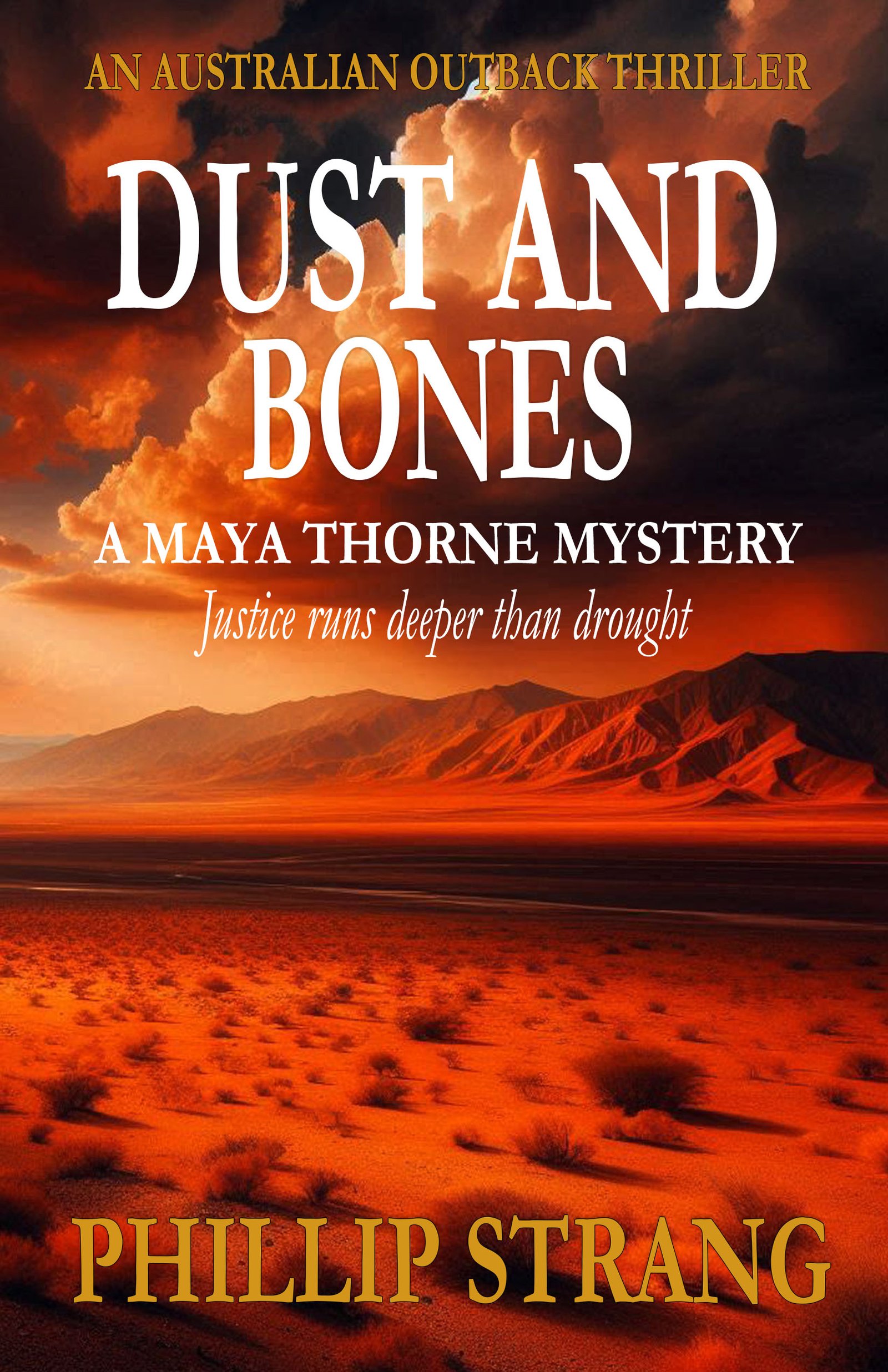
A MAYA THORNE MYSTERY
Get Dust and Bones Free
Justice runs deeper than drought.
Red dust. Shallow graves. A detective who hunts killers where the law runs thin and the nearest help is two hundred miles away.
Send Me the BookYou'll also receive occasional new release emails. Unsubscribe anytime. No spam, ever.
As an Amazon Associate, Phillip Strang earns from qualifying purchases. This page contains affiliate links — buying through them costs you nothing extra.