
The interview request arrives in your inbox, and suddenly you’re faced with articulating not just what happens in your latest thriller, but why it matters and how you crafted it. Crime fiction interviews demand a different approach than casual book discussions—you’re expected to navigate plot spoilers, defend narrative choices, and demonstrate genre expertise without sounding academic or pretentious.
Across eighteen series and more than 150 novels, I’ve learned that successful crime fiction interviews hinge on preparation that goes far beyond memorising your plot synopsis. The best conversations happen when you can speak naturally about your craft decisions while keeping your audience engaged, whether they’re devoted genre readers or newcomers curious about how police procedurals actually work.
Know Your Genre Fundamentals Cold
Every crime fiction interview will test your understanding of genre conventions, even when the interviewer doesn’t explicitly ask about them. You need to articulate why you chose psychological suspense over a traditional whodunit, or how your procedural differs from the Nordic noir approach without getting bogged down in literary theory.
I’ve found that having three or four concrete examples ready—specific scenes or character decisions that illustrate your genre choices—keeps these discussions grounded. When discussing my DCI Isaac Cook series, I can point to Isaac’s methodical approach to witness interviews as emblematic of traditional police procedural work, contrasting it with the more intuitive investigation style I use in other series. This gives interviewers something tangible to work with rather than abstract genre definitions.
The key is demonstrating genre knowledge through your own work rather than lecturing about crime fiction history. Interviewers want to understand your creative decisions, not hear you recite Wikipedia entries about hardboiled detective fiction.
Prepare Your Spoiler Strategy
Nothing derails a crime fiction interview faster than accidentally revealing crucial plot points. You need a clear strategy for discussing your book’s premise, conflict, and stakes without giving away the resolution or major twists that drive reader engagement.
I develop what I call ‘safe zones’—specific aspects of plot, character development, and setting that I can discuss freely without spoiling the reading experience. For psychological thrillers, this might include the protagonist’s initial situation and the first major complication they face. For procedurals, you can usually discuss the crime itself and the investigative approach without revealing the perpetrator’s identity or motive.
Practice describing your book’s central tension in two or three different ways, each highlighting different aspects without crossing into spoiler territory. This preparation prevents those awkward moments where you start explaining something crucial and have to backtrack mid-sentence.
How I Actually Approach Interview Preparation
My preparation process starts with identifying the three most interesting craft decisions I made in the book being discussed. Not the three I think are most impressive, but the ones that genuinely solve story problems or create specific reader experiences.
For instance, when discussing the Maya Thorne series, I focus on how the Australian outback setting functions as more than backdrop—it actively shapes investigation methods and character psychology. I can explain specific scenes where the isolation affects witness behavior or evidence collection without spoiling investigation outcomes.
I also prepare honest answers about what didn’t work in earlier drafts. Interviewers often ask about the writing process, and acknowledging genuine challenges makes for more compelling conversation than pretending everything came together effortlessly. Discussing how I reworked a character’s motivation or restructured a timeline shows craft awareness without undermining reader confidence in the finished product.
The goal is having enough prepared material that you can respond naturally to unexpected questions without scrambling for interesting answers or falling back on generic writing advice that could apply to any genre.
Common Interview Mistakes That Undermine Your Authority
The biggest mistake crime writers make in interviews is treating their work like apologetic entertainment rather than legitimate storytelling. You’ll hear authors say things like ‘it’s just a fun thriller’ or ‘I don’t write literary fiction, but…’ as if crime fiction requires justification for existing. This defensive approach immediately diminishes your authority and suggests you don’t take your own work seriously.
Another common error is over-explaining plot mechanics at the expense of discussing character and theme. Yes, crime fiction relies on plotting, but readers connect with your work because of how characters respond to extraordinary circumstances, not because you’ve constructed an intricate puzzle. Spending entire interviews detailing red herrings and plot twists makes you sound more like a game designer than a novelist.
Many authors also fall into the trap of comparing their work unfavorably to established genre masters. Phrases like ‘I’m no Agatha Christie, but…’ or ‘It’s not as sophisticated as literary crime fiction, but…’ suggest you’re not confident in your own narrative choices. Instead of positioning your work against established benchmarks, focus on what specific reading experience you’re creating and why those choices serve your story.
Finally, avoid the temptation to use interviews as platforms for detailed writing advice unless specifically asked. Audiences want to understand your creative process, not receive comprehensive tutorials on plotting techniques. Save the craft instruction for dedicated writing workshops and focus interviews on your specific books and artistic decisions.
Conclusion
Successful crime fiction interviews happen when you can discuss your work with confidence and specificity, treating both your books and your genre with the respect they deserve while keeping the conversation accessible to diverse audiences.
About Phillip Strang
Phillip Strang is an Australian crime and thriller novelist. Across eighteen series and more than 150 novels, his work spans London police procedurals (DCI Isaac Cook), UK investigations (DI Tremayne), Australian outback crime (Maya Thorne), FBI thrillers (Alex Harlan), Scottish Highland mysteries (DI Sarah Lynch), and espionage (Steve Case). Learn more about Phillip or browse his complete catalogue on Amazon.
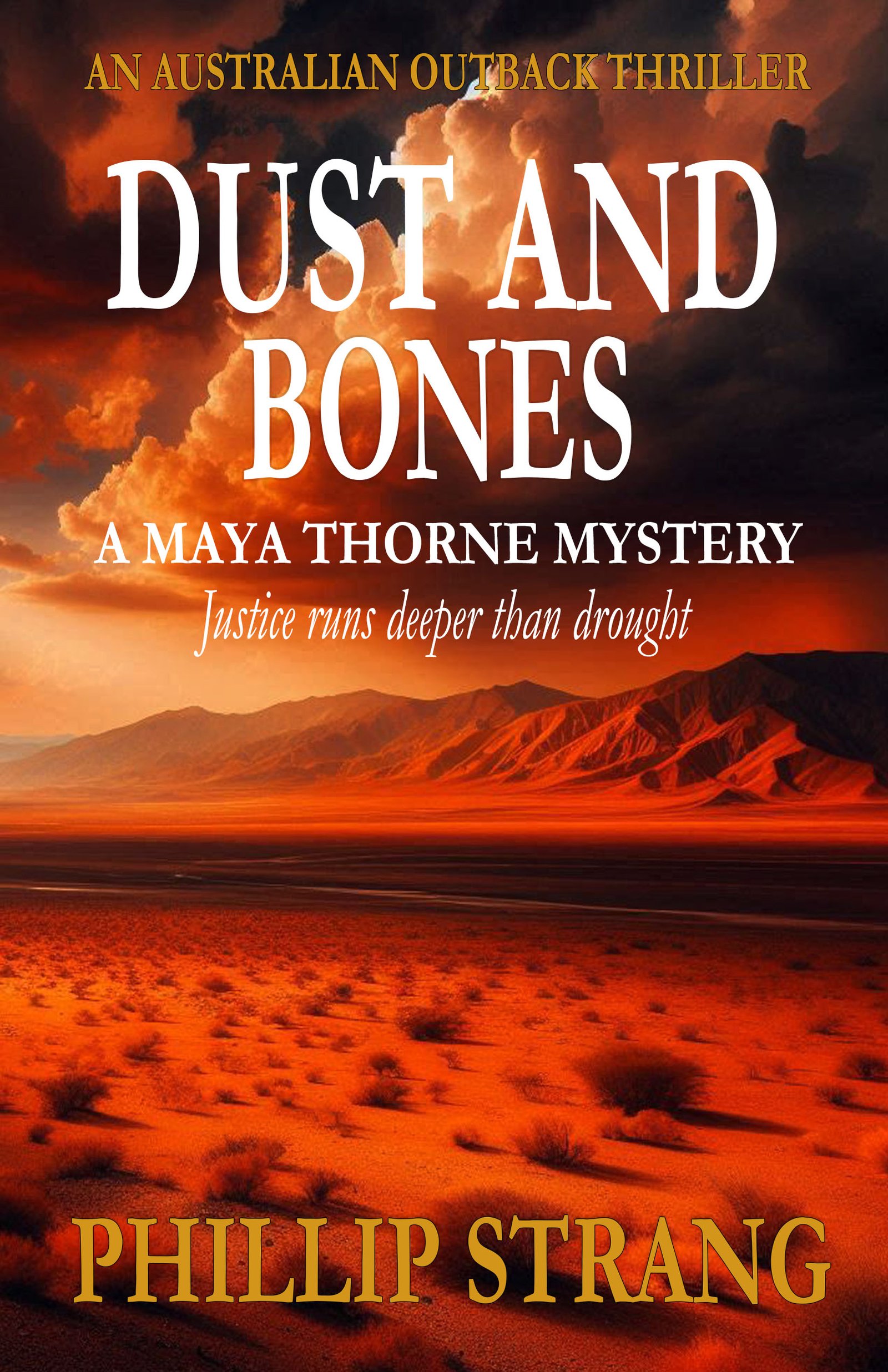
A MAYA THORNE MYSTERY
Get Dust and Bones Free
Justice runs deeper than drought.
Red dust. Shallow graves. A detective who hunts killers where the law runs thin and the nearest help is two hundred miles away.
Send Me the BookYou'll also receive occasional new release emails. Unsubscribe anytime. No spam, ever.
As an Amazon Associate, Phillip Strang earns from qualifying purchases. This page contains affiliate links — buying through them costs you nothing extra.