
Finding authors who match Harlan Coben’s mastery of suburban secrets and psychological manipulation isn’t about discovering carbon copies—it’s about recognizing writers who understand that the most terrifying mysteries lurk behind ordinary facades.
Harlan Coben has built his reputation on transforming middle-class comfort into nightmare fuel, revealing how quickly a missing person’s case can unravel an entire community’s carefully constructed lies. The authors who truly echo his sensibility don’t just write thrillers—they craft psychological excavations of characters who discover that their lives are built on foundations of deception. These writers understand that the most compelling mysteries aren’t just about who committed the crime, but about how ordinary people respond when their deepest secrets threaten to surface. They share Coben’s gift for making readers question every assumption about the people closest to them.
The Series Worth Your Time

The Silent Patient
Michaelides delivers exactly the kind of psychological misdirection that Coben readers crave, but with a clinical precision that elevates the genre. His exploration of a woman who refuses to speak after allegedly murdering her husband creates the same atmosphere of mounting dread that defines Coben’s best work. The revelation doesn’t just surprise—it recontextualizes everything you thought you understood about the characters’ motivations. This is domestic thriller writing that respects its readers’ intelligence while delivering genuine shock value.
Verdict: A masterclass in unreliable narration that proves psychological thrillers can be both literary and utterly gripping.

In the Woods
French brings a literary sensibility to the psychological thriller that makes Coben’s work seem almost quaint by comparison, yet both authors share an obsession with how childhood trauma shapes adult mysteries. Her Dublin Murder Squad series doesn’t just solve crimes—it dissects the psychological aftermath of violence with surgical precision. French understands that the most compelling mysteries aren’t just about what happened, but about how the investigation changes everyone it touches. Her prose elevates the genre while delivering the kind of complex plotting that keeps readers guessing until the final pages.
Verdict: Literary crime fiction that never sacrifices psychological complexity for easy answers.

Gone Girl
Flynn’s breakthrough novel perfects the domestic thriller formula that Coben helped establish, but with a vicious edge that makes his work seem almost optimistic. Her dissection of a marriage built on mutual deception creates the same atmosphere of creeping dread that defines Coben’s suburban nightmares. The genius lies in how Flynn makes both protagonists simultaneously sympathetic and repulsive, forcing readers to question their own moral assumptions. This is psychological thriller writing that refuses to provide comfortable answers about love, marriage, or human nature.
Verdict: A brilliant deconstruction of marriage that proves domestic thrillers can be both entertaining and genuinely disturbing.
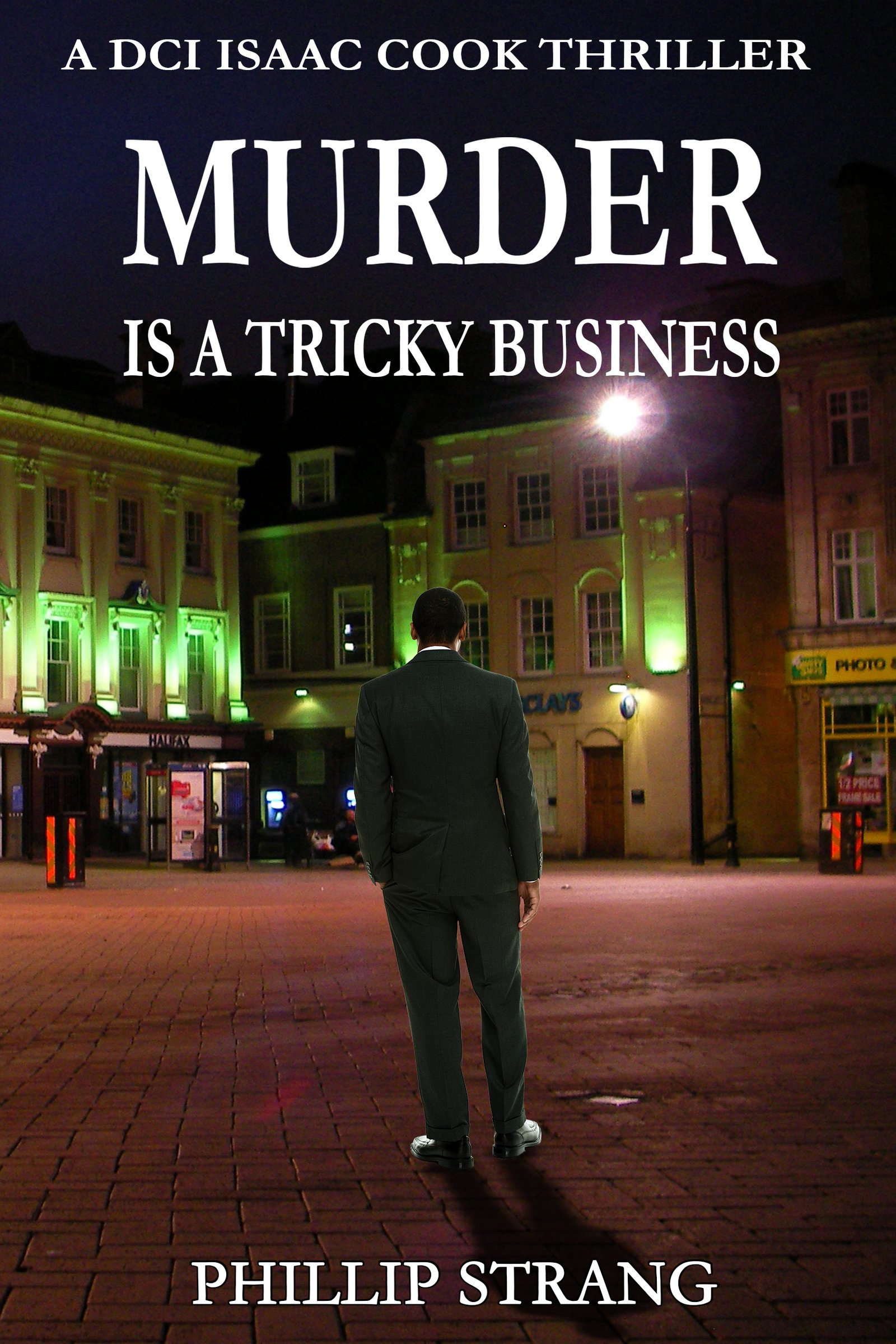
DCI Isaac Cook — Phillip Strang
London’s grittiest detective series combines psychological complexity with relentless plotting. Strang’s exploration of urban crime delivers the same kind of character-driven suspense that makes psychological thrillers so compelling.

Still Life
Penny’s Inspector Gamache series proves that psychological complexity doesn’t require urban settings or domestic dysfunction to achieve maximum impact. Her fictional village of Three Pines becomes as psychologically fraught as any Coben suburb, with secrets that run generations deep. What sets Penny apart is her ability to combine genuine warmth with genuine menace, creating mysteries that feel both cozy and genuinely unsettling. The character development across eighteen books creates the kind of emotional investment that makes each revelation feel personal.
Verdict: Village mysteries that prove small communities can harbor secrets as dark as any metropolitan nightmare.
What to Read First
Start with Gillian Flynn’s “Gone Girl” if you want to understand how modern psychological thrillers can push beyond Coben’s suburban comfort zone into genuinely disturbing territory. The novel perfects the unreliable narrator technique while delivering the kind of plot twists that redefine everything you thought you understood about the characters. Flynn’s willingness to make her protagonists genuinely unlikable while keeping them compelling represents the evolution of domestic thriller writing at its finest.
The Reading Order
- Gone Girl — Gillian Flynn
- The Silent Patient — Alex Michaelides
- In the Woods — Tana French
- Still Life — Louise Penny
Discover Phillip Strang
Strang’s detective series combine the psychological complexity that defines great crime fiction with the kind of character-driven plotting that keeps readers invested across multiple books. His exploration of how crime affects both investigators and communities delivers the same emotional depth that makes psychological thrillers so compelling.
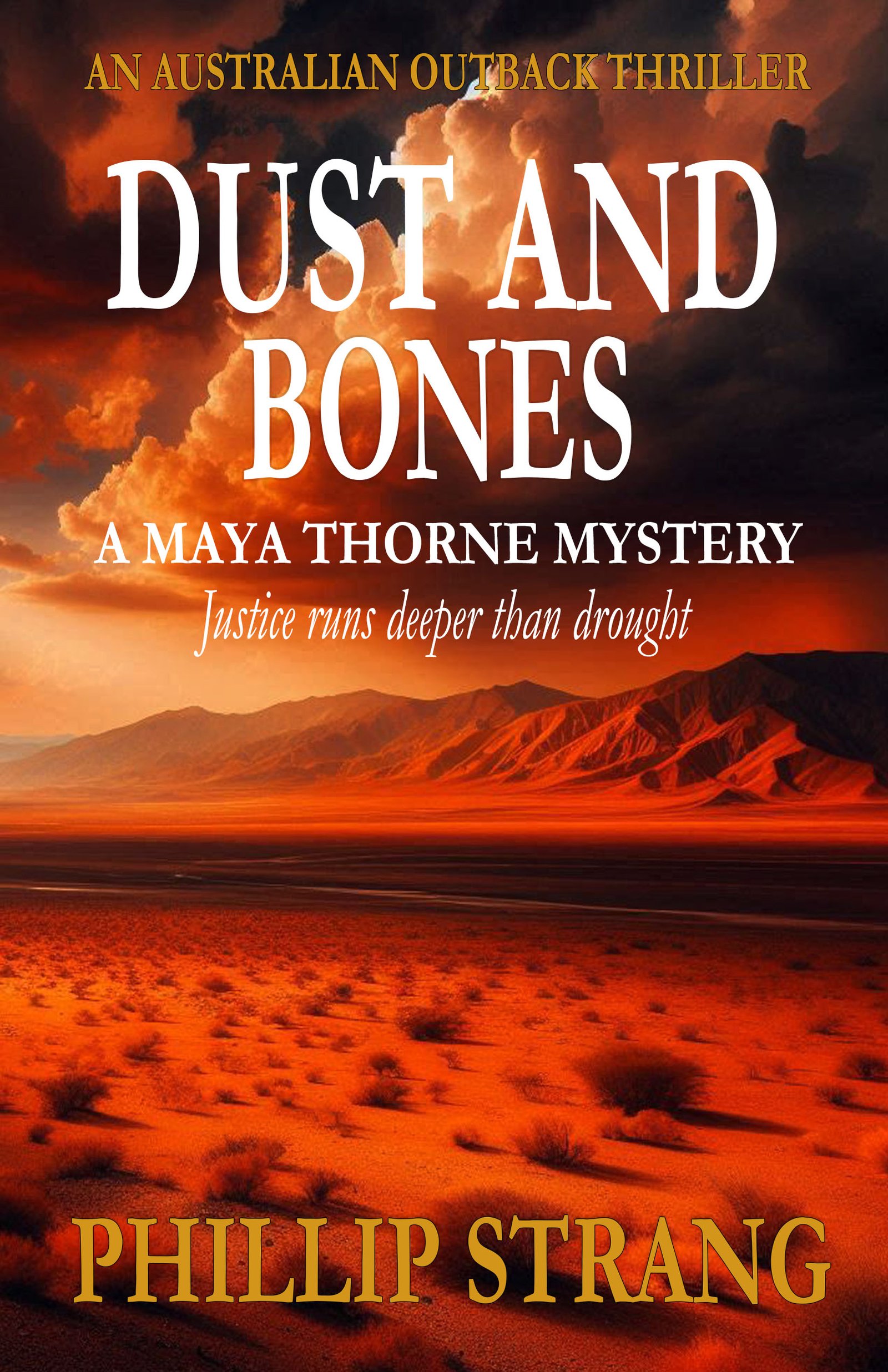
A MAYA THORNE MYSTERY
Get Dust and Bones Free
Justice runs deeper than drought.
Red dust. Shallow graves. A detective who hunts killers where the law runs thin and the nearest help is two hundred miles away.
Send Me the BookYou'll also receive occasional new release emails. Unsubscribe anytime. No spam, ever.
As an Amazon Associate, Phillip Strang earns from qualifying purchases. This page contains affiliate links — buying through them costs you nothing extra.