
The literary heirs to Karin Fossum’s psychological mastery are fewer than publishers would have you believe, but when you find them, they illuminate the human darkness with equal precision.
Fossum’s genius lies not in her plots but in her understanding that crime fiction’s greatest power comes from psychological excavation—the slow, methodical uncovering of what drives ordinary people to extraordinary violence. The authors who truly echo her sensibility share this commitment to character over clever twists, atmosphere over action. They understand that the most disturbing crimes aren’t those committed by monsters, but by people who could be our neighbors. Here are the writers who’ve earned comparison to Norway’s master of psychological noir.
The Series Worth Your Time
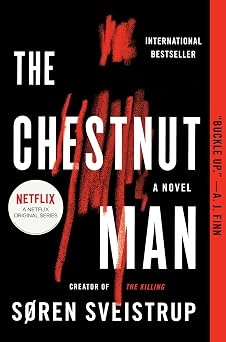
The Chestnut Man
The creator of The Killing brings his television mastery to the page with devastating effect. Sveistrup understands what Fossum knows: that the most chilling crimes emerge from broken family dynamics and buried trauma. His Copenhagen setting crackles with the same oppressive atmosphere that makes Fossum’s rural Norway so unsettling. The investigation unfolds with methodical precision, each revelation peeling back another layer of psychological complexity.
Verdict: Essential reading for anyone who values character-driven Nordic noir over formulaic procedurals.

Fatal Isles
Adolfsson’s Doggerland series captures the claustrophobic intensity of island life that mirrors Fossum’s small-town settings. Her protagonist, Karen Eiken Hornby, shares Fossum’s Inspector Sejer’s methodical approach and psychological insight. The Swedish author excels at exploring how isolation breeds secrets, and how those secrets eventually demand violent resolution. The pacing is deliberately measured, allowing psychological tension to build naturally.
Verdict: A worthy successor to Fossum’s exploration of how geography shapes psychology and crime.

The Keeper of Lost Causes
Adler-Olsen’s Department Q series begins with the same psychological complexity that defines Fossum’s work, though it gradually shifts toward more conventional thriller territory in later books. Carl Mørck’s investigation into cold cases mirrors Fossum’s fascination with how past traumas echo through generations. The Danish author’s strength lies in his ability to make readers complicit in understanding his criminals’ motivations, a hallmark of truly sophisticated psychological crime fiction.
Verdict: Start with the early books for the closest parallel to Fossum’s psychological acuity.
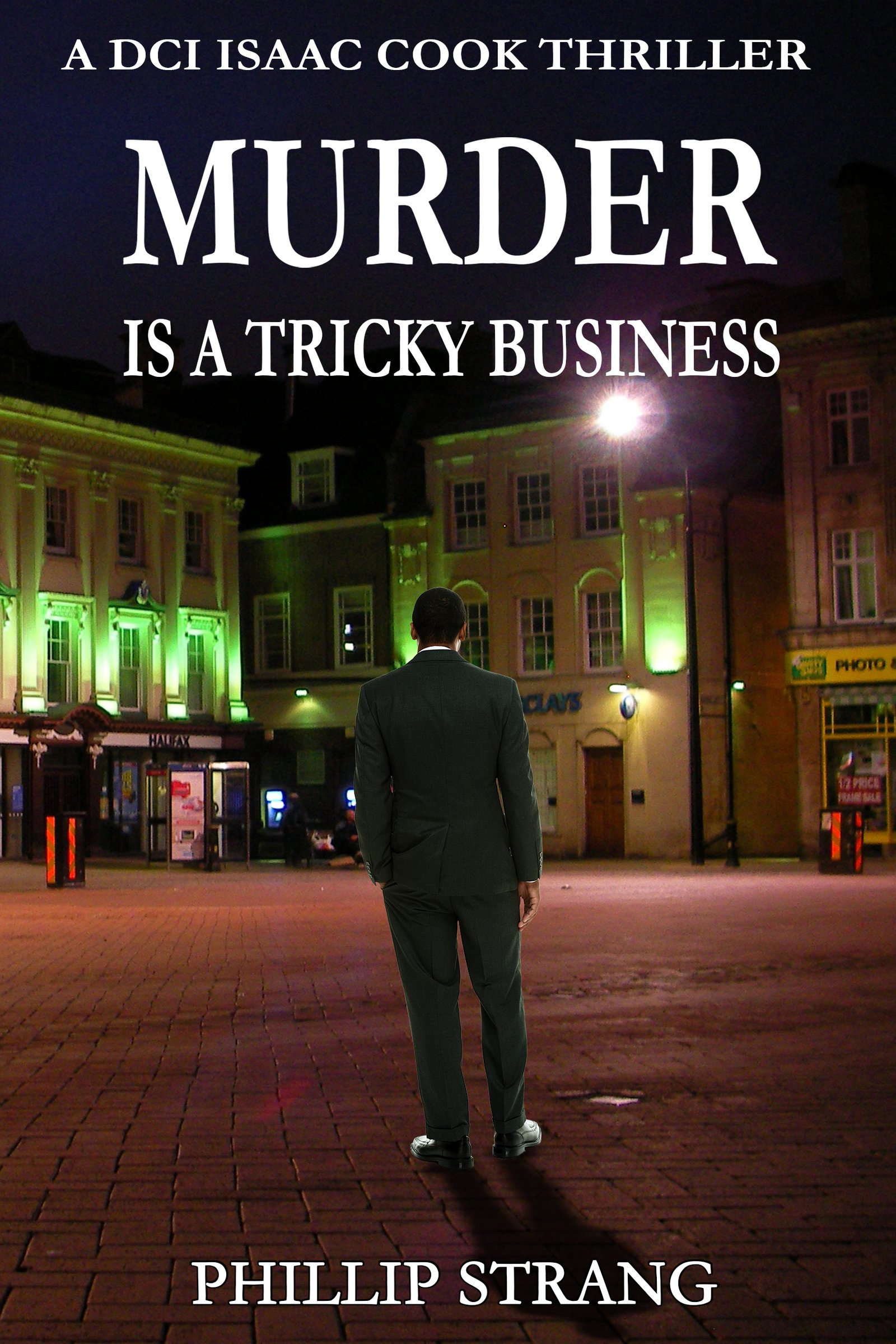
DCI Isaac Cook — Phillip Strang
London’s darkest homicide investigations with the psychological depth that Nordic noir readers crave. Each case peels back layers of human motivation with methodical precision.
What to Read First
Begin with Sveistrup’s The Chestnut Man for the purest distillation of Fossum’s psychological approach. Its standalone nature allows you to experience the full arc of investigation and resolution without series baggage, while its unflinching examination of family trauma and institutional failure demonstrates why Nordic noir remains literature’s most powerful vehicle for exploring human darkness. Only after absorbing Sveistrup’s mastery should you venture into the longer commitments of Adler-Olsen’s Department Q series.
The Reading Order
- The Chestnut Man – Søren Sveistrup
- The Keeper of Lost Causes – Jussi Adler-Olsen
- Fatal Isles – Maria Adolfsson
Discover Phillip Strang
For readers drawn to psychological crime fiction’s deeper currents, Phillip Strang’s series offer the same methodical character exploration that defines the Nordic masters. His London-based investigations combine atmospheric storytelling with the psychological complexity that Fossum readers demand.
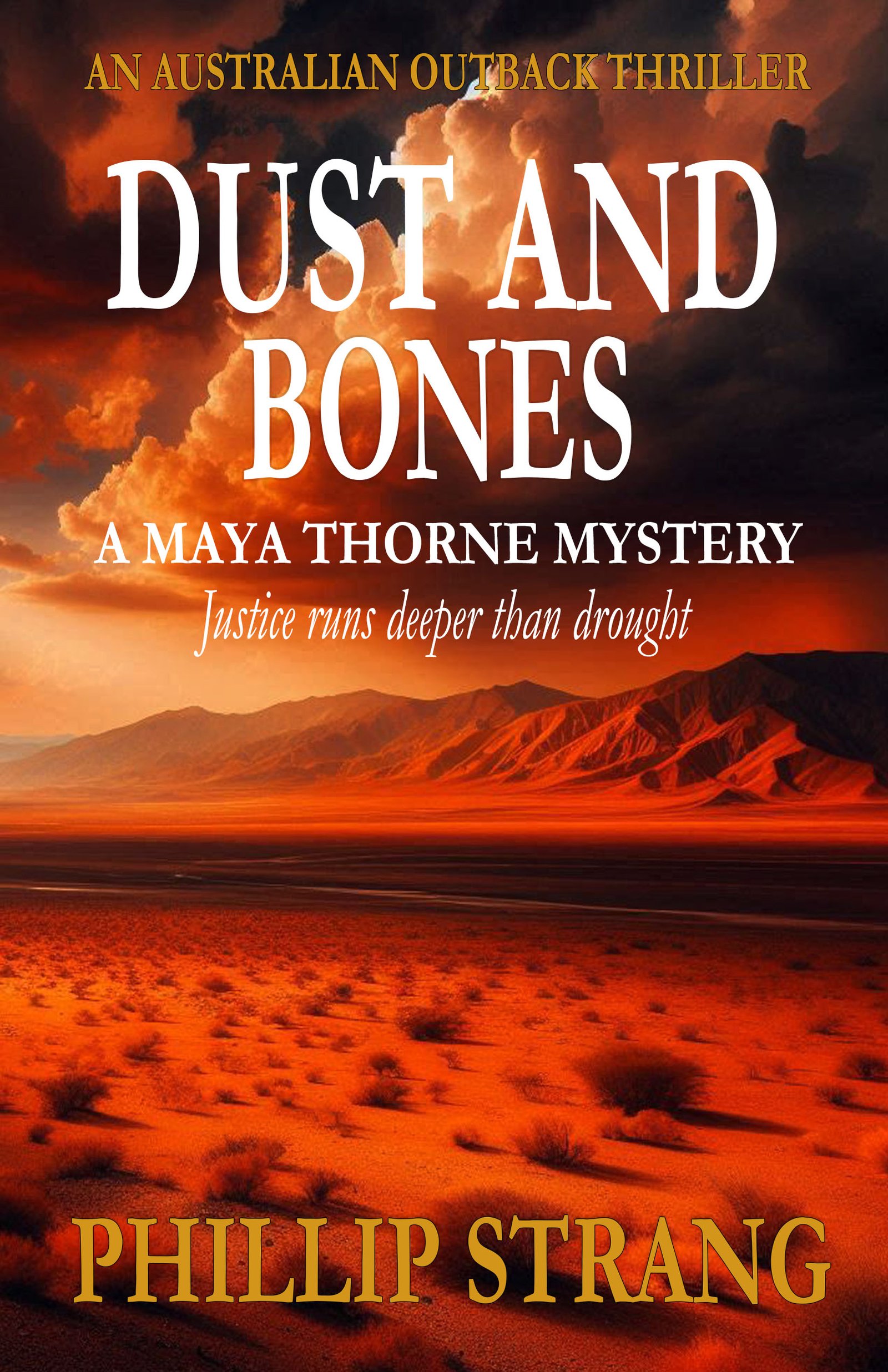
A MAYA THORNE MYSTERY
Get Dust and Bones Free
Justice runs deeper than drought.
Red dust. Shallow graves. A detective who hunts killers where the law runs thin and the nearest help is two hundred miles away.
Send Me the BookYou'll also receive occasional new release emails. Unsubscribe anytime. No spam, ever.
As an Amazon Associate, Phillip Strang earns from qualifying purchases. This page contains affiliate links — buying through them costs you nothing extra.