
Crossover novels represent one of the most technically demanding challenges in crime and thriller writing, requiring authors to balance established character voices, merge distinct investigative worlds, and satisfy readers from multiple series simultaneously. The temptation to unite beloved protagonists can be overwhelming, but the execution demands surgical precision in plotting and character dynamics.
Across eighteen series and more than 150 novels, I’ve found that successful crossover novels aren’t simply about bringing popular characters together—they’re about creating narrative justification so compelling that readers accept the collision of worlds as inevitable rather than convenient. The best crossovers feel organic to both series while advancing each protagonist’s individual arc.
The Character Hierarchy Challenge
Every crossover novel faces the fundamental question of whose story this really is. When DCI Isaac Cook meets DI Tremayne in my own work, one must serve as the primary investigator while the other provides support, expertise, or an alternative perspective. This isn’t democratic storytelling—it’s about establishing clear narrative dominance from the opening chapter.
The mistake most authors make is attempting to give equal weight to both protagonists. Readers arrive with established loyalties and expectations for their preferred detective. When you try to balance screen time perfectly, you often end up with a diluted narrative where neither character feels fully realized. Instead, establish the lead investigator early and let the supporting character shine through their specialized knowledge or unique approach to the case.
Consider the practical mechanics: whose jurisdiction hosts the crime? Whose investigative style drives the primary narrative thread? These aren’t arbitrary choices—they determine how your crossover novel functions structurally. The supporting character should complement and challenge the lead, not compete for narrative space.
Jurisdictional Logic and World-Building Consistency
Crime fiction crossovers live or die on their operational believability. When I brought Steve Case into contact with other investigators, the scenario demanded clear reasoning for why an espionage specialist would intersect with local police work. Readers of espionage thrillers expect different investigative approaches than those following police procedural novels, yet both must feel authentic within the shared narrative.
The key lies in creating cases that genuinely require multiple skill sets or jurisdictions. International crimes, cases involving both local and federal elements, or investigations where past and present cases intersect provide natural frameworks for crossovers. Avoid forcing cooperation through contrived circumstances that strain credibility within your established fictional worlds.
Your crossover must honor the procedural realities of both series. If one character typically works alone while another leads a team, the crossover scenario must account for these operational differences. The investigation should feel enhanced by the collaboration, not hindered by unexplained changes in working methods.
My Practical Approach to Crossover Planning
When I develop crossover novels, I begin with the case itself rather than the character interaction. The crime must be substantial enough to warrant multiple investigative approaches and complex enough to showcase each character’s strengths without redundancy. I typically outline three key elements: the case that demands crossover expertise, the professional catalyst that brings the characters together, and the personal dynamic that sustains reader interest throughout the investigation.
The plotting phase requires meticulous attention to each character’s established voice and methodology. Maya Thorne’s approach to outback crime differs fundamentally from urban police work, so any crossover must acknowledge and utilize these differences rather than homogenizing the characters. I maintain separate character sheets for each protagonist, tracking their dialogue patterns, investigative instincts, and relationship dynamics to ensure consistency with their individual series.
Timeline coordination becomes crucial when managing characters from different series. Each protagonist arrives at the crossover with their own recent history, ongoing relationships, and series-specific concerns. These elements must align logically without contradicting established continuity or creating confusion for readers who follow only one series.
Common Mistakes That Undermine Crossover Success
The most damaging error in crossover novels is character contamination—when protagonists begin speaking or acting like each other instead of maintaining their distinct voices. This typically occurs when authors focus too heavily on the interaction dynamic and lose sight of what makes each character unique. A seasoned London detective shouldn’t suddenly adopt the casual approach of a rural investigator, nor should a methodical procedural specialist start improvising like a lone-wolf operative.
Another frequent misstep involves over-explaining connections for readers unfamiliar with both series. While some context is necessary, excessive backstory dumps slow the narrative and patronize readers. Trust your audience to follow character relationships through action and dialogue rather than exposition. The investigation itself should reveal character competencies and working styles organically.
Forced romantic or personal subplots between crossover characters often feel manufactured and distract from the central mystery. Professional respect and investigative tension provide sufficient interpersonal drama without requiring personal entanglements that may complicate future installments in either series. Keep the focus on how different investigative approaches enhance the case resolution.
Reader Accessibility Without Series Dilution
Successful crossover novels must function as entry points for new readers while satisfying longtime series followers. This requires careful calibration of how much series-specific information to include without bogging down the narrative. Each character should demonstrate their competencies through action rather than explanation, allowing their investigative skills to speak for their experience and background.
The case itself must be compelling enough to stand alone, independent of readers’ investment in the characters. While series followers bring additional emotional engagement, the mystery and its resolution should provide complete satisfaction for any crime fiction reader. This means avoiding inside references that exclude newcomers while maintaining the character authenticity that loyal readers expect.
Consider how different reader segments will experience your crossover. Some will know one character but not the other, some will be familiar with both, and others may be encountering both for the first time. The narrative should accommodate all three groups without feeling repetitive or oversimplified for any particular audience segment.
Conclusion
Crossover novels succeed when they enhance rather than dilute the strengths of individual series, creating investigations that genuinely benefit from multiple perspectives while maintaining the distinct character voices that readers follow. The technical challenges are significant, but the payoff—for both author and readers—justifies the careful planning required to execute them effectively.
About Phillip Strang
Phillip Strang is an Australian crime and thriller novelist. Across eighteen series and more than 150 novels, his work spans London police procedurals (DCI Isaac Cook), UK investigations (DI Tremayne), Australian outback crime (Maya Thorne), FBI thrillers (Alex Harlan), Scottish Highland mysteries (DI Sarah Lynch), and espionage (Steve Case). Learn more about Phillip or browse his complete catalogue on Amazon.
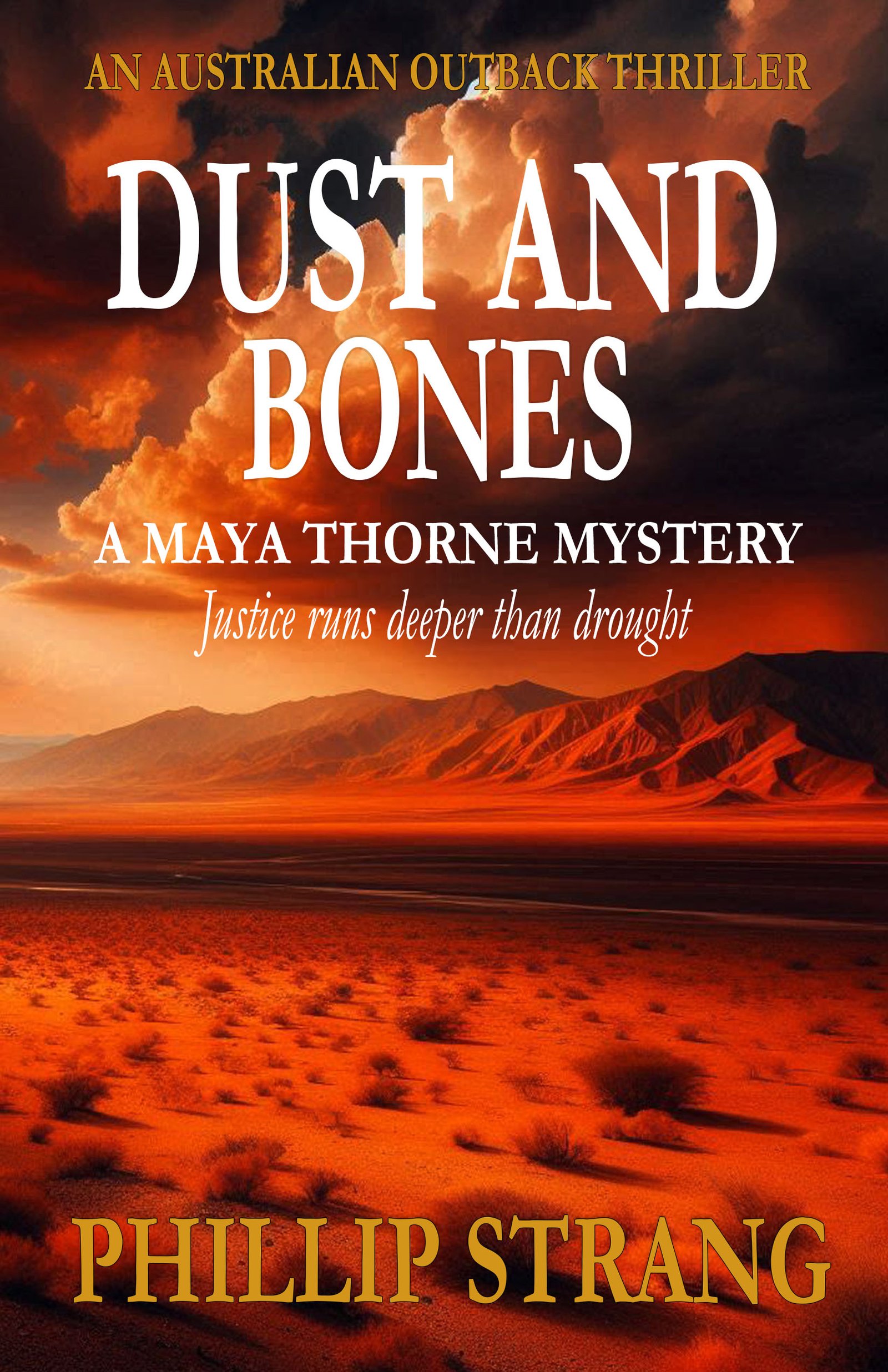
A MAYA THORNE MYSTERY
Get Dust and Bones Free
Justice runs deeper than drought.
Red dust. Shallow graves. A detective who hunts killers where the law runs thin and the nearest help is two hundred miles away.
Send Me the BookYou'll also receive occasional new release emails. Unsubscribe anytime. No spam, ever.
As an Amazon Associate, Phillip Strang earns from qualifying purchases. This page contains affiliate links — buying through them costs you nothing extra.