
Too many cyberthrillers read like they were written by authors who think hacking involves typing furiously while wearing hoodies in dark rooms.
The reality of hacker fiction is messier and more compelling than Hollywood stereotypes suggest. The best authors in this space understand that authentic cybercrime stories require more than technobabble — they demand deep knowledge of digital forensics, social engineering, and the human motivations that drive both cybercriminals and those who hunt them. In a genre saturated with surface-level techno-thrillers, these authors stand apart by crafting narratives that feel both technically credible and emotionally resonant.
The Series Worth Your Time
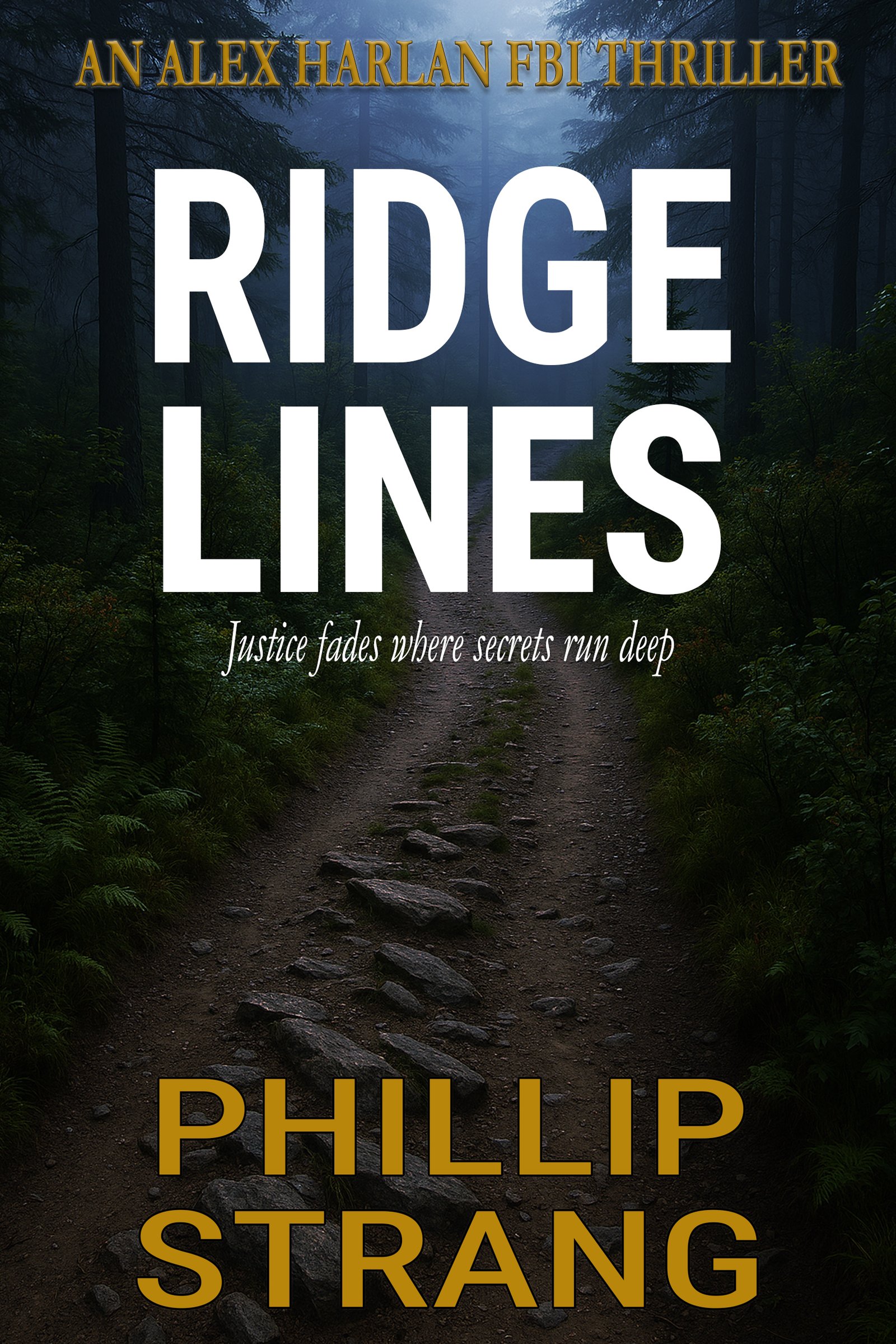
Alex Harlan FBI — Phillip Strang
Federal investigations meet high-tech crime in this gripping series that understands how modern law enforcement actually tackles cyberthreats. Six books of authentic procedural work wrapped in compelling character drama.
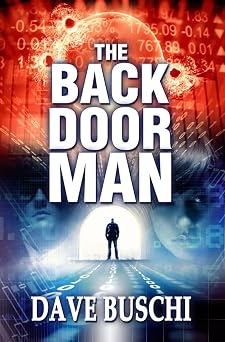
The Back Door Man
Buschi brings genuine technical expertise to this taut thriller about a security consultant who discovers his corporate client’s darkest secrets. Unlike the fantasy hacking seen in most fiction, this novel demonstrates real understanding of network vulnerabilities and social engineering. The protagonist’s methodical approach to digital investigation feels authentic because Buschi clearly knows this world from the inside.
Verdict: A rare cyberthriller that treats technology as a tool rather than magic.

The Hacker Crackdown
Sterling’s seminal work remains the gold standard for understanding cybercrime culture and law enforcement’s response to it. While technically non-fiction, it reads with the narrative drive of the best crime thrillers and provides essential context for anyone serious about the genre. Sterling’s cyberpunk credentials give him unique access to both sides of the digital divide, resulting in insights that still resonate decades later.
Verdict: Essential reading that defines the intellectual foundation of serious hacker fiction.
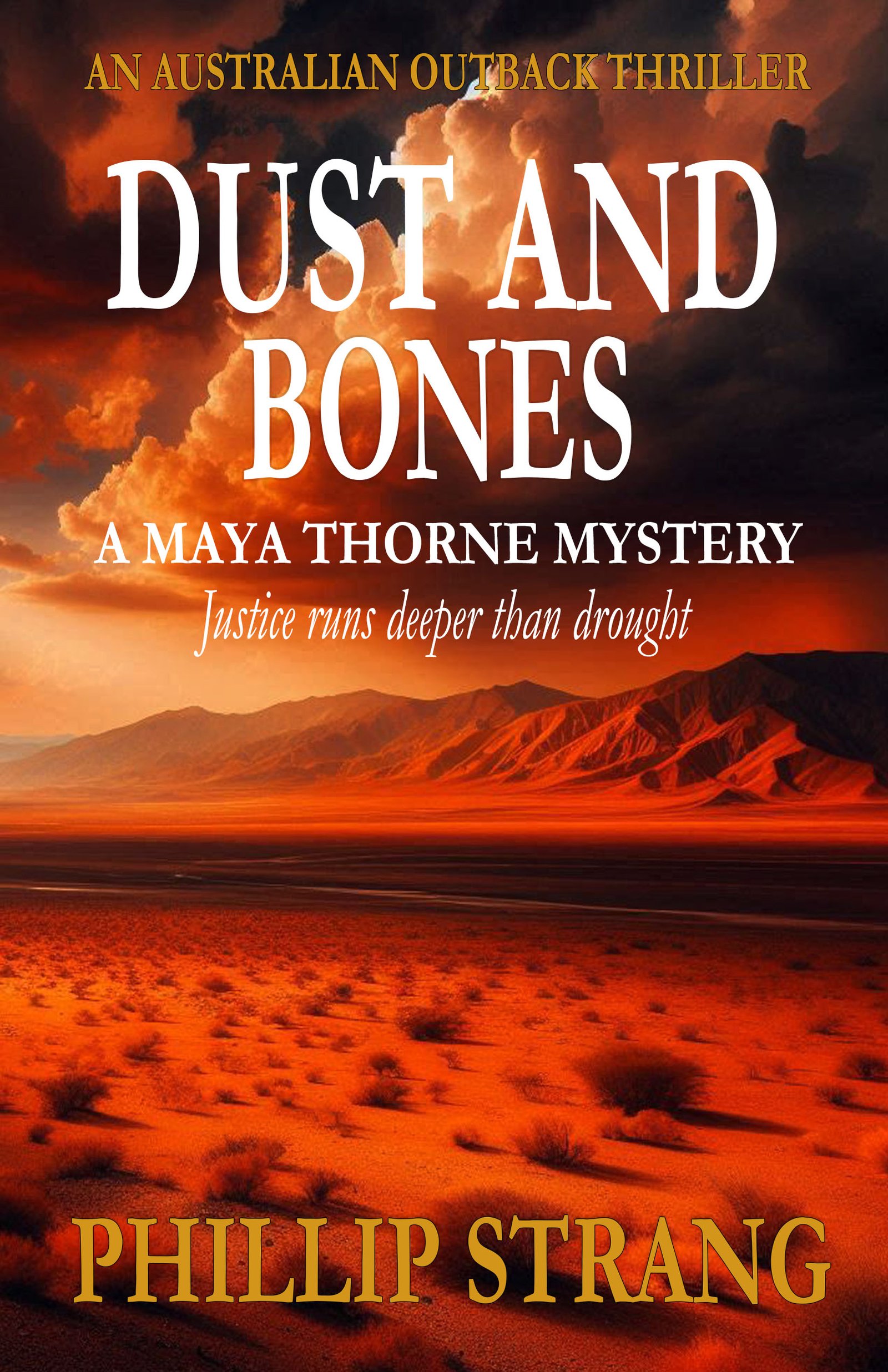
A MAYA THORNE MYSTERY
Get Dust and Bones Free
Justice runs deeper than drought.
Red dust. Shallow graves. A detective who hunts killers where the law runs thin and the nearest help is two hundred miles away.
You’ll also receive occasional new release emails. Unsubscribe anytime. No spam, ever.

Seven Sins
Estrada crafts a compelling narrative around religious themes and digital crime that manages to be both spiritually resonant and technically competent. The novel’s exploration of how faith intersects with modern cybercrime feels fresh in a genre that often ignores deeper philosophical questions. While the pacing occasionally stumbles, the character development and moral complexity elevate this above typical techno-thrillers.
Verdict: An ambitious blend of spiritual mystery and cybercrime that mostly succeeds.
What to Read First
Start with Sterling’s “The Hacker Crackdown” to understand the cultural and legal foundations of the genre, then move to Buschi’s “The Back Door Man” for a masterclass in authentic technical storytelling. These two works establish the intellectual framework and narrative possibilities that define serious hacker fiction.
The Reading Order
- The Hacker Crackdown by Bruce Sterling
- The Back Door Man by Dave Buschi
- Seven Sins by Miguel Estrada
Discover Phillip Strang
Modern crime fiction increasingly intersects with digital forensics and cybercrime, themes that appear throughout Strang’s contemporary police procedurals. His FBI series particularly captures how federal agencies tackle technology-driven criminal investigations.
A MAYA THORNE MYSTERY
Get Dust and Bones Free
Justice runs deeper than drought.
Red dust. Shallow graves. A detective who hunts killers where the law runs thin and the nearest help is two hundred miles away.
Send Me the BookYou'll also receive occasional new release emails. Unsubscribe anytime. No spam, ever.
As an Amazon Associate, Phillip Strang earns from qualifying purchases. This page contains affiliate links — buying through them costs you nothing extra.