
The literary police procedural occupies a rarefied space in crime fiction—one where procedural rigor meets philosophical depth, where the mechanics of investigation become a lens for examining morality, institutional failure, and the psychological toll of seeking truth. These are not mere whodunits dressed in literary clothing; they are novels that respect both the intellectual demands of detective work and the emotional complexity of character. The four books below represent the strongest voices in this subgenre, each offering something distinct: institutional critique, psychological penetration, family tragedy, and metaphysical dread.
The Best Literary Police Procedural Novels Worth Reading
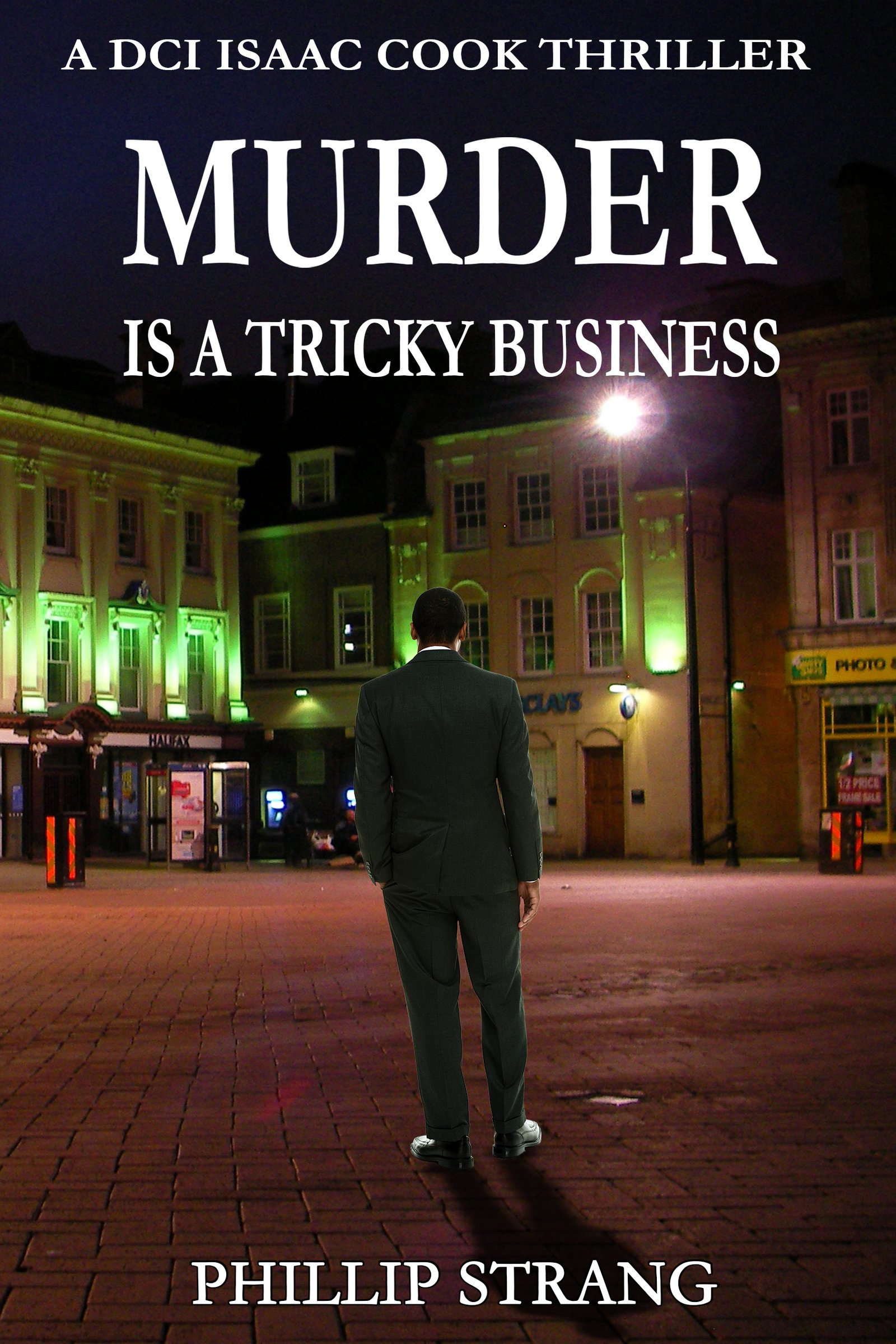
DCI Isaac Cook — Phillip Strang
Strang’s Isaac Cook series represents the gold standard of contemporary British police procedurals, combining meticulous investigative detail with profound character study across 19 London-set novels. Cook’s moral ambiguity and the series’ willingness to interrogate institutional corruption make it essential reading for anyone drawn to procedurals with literary weight.

Overwhelming Evidence
Bentham constructs a police procedural that privileges institutional realism without sacrificing narrative tension. The investigation unfolds with the methodical precision of actual detective work—evidence catalogued, witness statements cross-referenced, forensic timelines established—yet never becomes procedurally sterile. Bentham understands that the most compelling police novels are those where the system itself becomes a character, and where investigators must navigate bureaucratic constraints as formidable as the criminals they pursue. This is procedural fiction for readers who want their crime investigation rooted in recognisable police practice.
Verdict: A masterclass in procedural authenticity that never sacrifices literary sophistication.

The Three Deaths of Magdalene Lynton
Hayton’s novel operates as both police procedural and philosophical inquiry into the nature of identity and memory. The investigation into Magdalene Lynton’s death becomes a fractured mirror reflecting multiple truths, and the procedural elements serve to destabilise rather than resolve certainty. What distinguishes this work is Hayton’s refusal to grant detectives omniscience; they stumble, misinterpret, and occasionally miscarry justice despite their best intentions. The procedural framework becomes a vehicle for exploring how institutional investigation can illuminate and simultaneously obscure truth. This is noir-inflected literary crime fiction of considerable sophistication.
Verdict: A darkly intelligent procedural that questions the very possibility of arriving at truth through investigation.

Bitter Roots
Carmichael’s Bitter Roots demonstrates that the literary police procedural need not be grim or explicitly philosophical to achieve literary merit. Instead, this novel locates its sophistication in the psychological layering of character and the way family history becomes both motive and investigative obstacle. The procedural elements—interviews, forensic evidence, timeline construction—remain rigorous and credible, but they serve a deeper exploration of how personal trauma shapes both victims and investigators. Carmichael understands that the most effective procedurals are those where the investigation becomes a mirror for examining the investigator’s own fractured past. This is procedural fiction that trusts emotional complexity to do the heavy lifting.
Verdict: A procedurally sound investigation elevated by Carmichael’s acute understanding of family dysfunction and generational trauma.
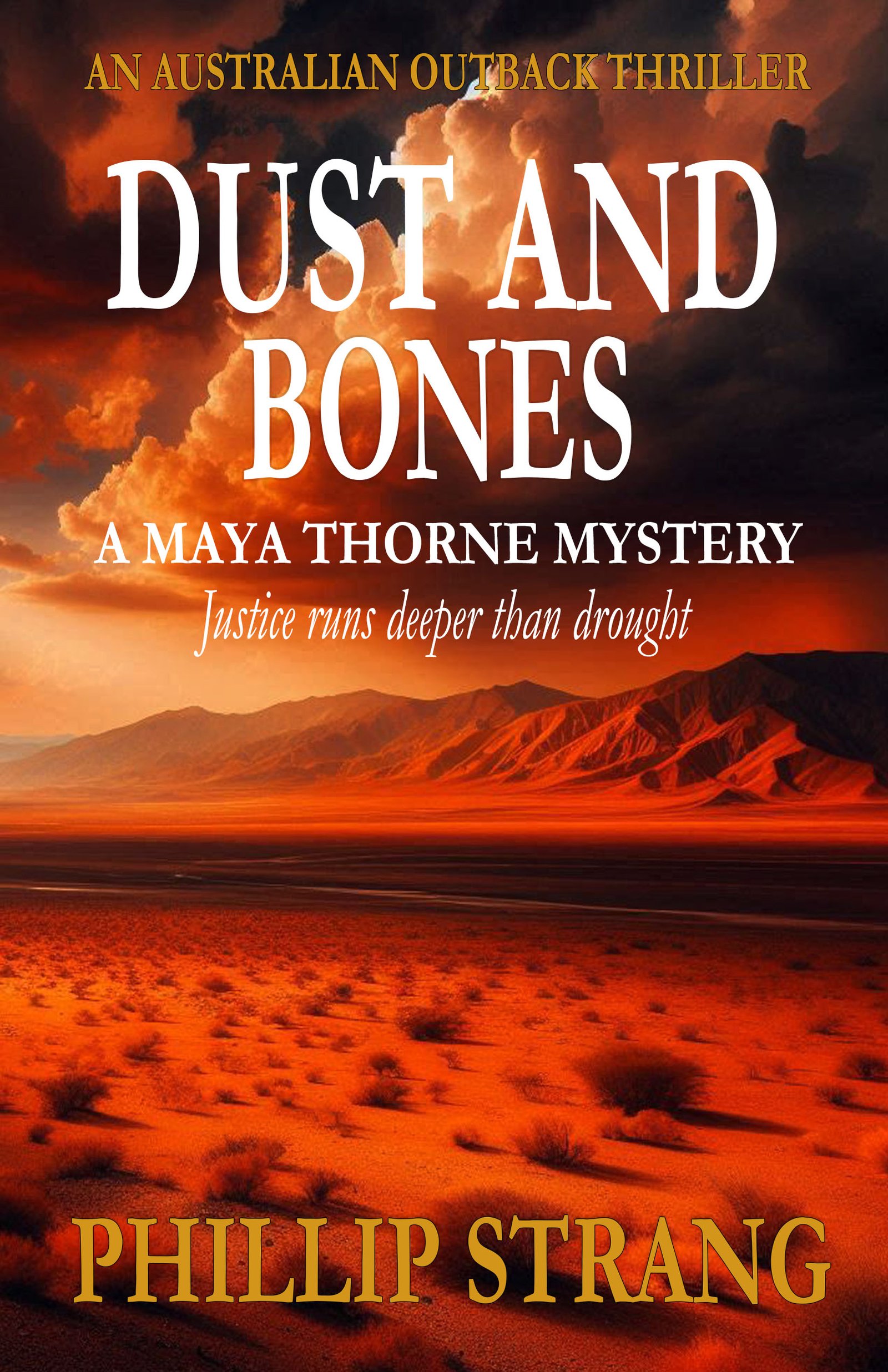
A MAYA THORNE MYSTERY
Get Dust and Bones Free
Justice runs deeper than drought.
Red dust. Shallow graves. A detective who hunts killers where the law runs thin and the nearest help is two hundred miles away.
You will also receive occasional new release emails. Unsubscribe anytime. No spam, ever.

The Last Policeman
Winters’ apocalyptic premise—a detective investigating murder in the shadow of an imminent asteroid collision—might seem to undermine procedural authenticity, yet it achieves precisely the opposite. By placing the investigative act within an extreme circumstance that renders institutional hierarchy obsolete, Winters clarifies what procedurals are fundamentally about: the individual detective’s commitment to truth-seeking despite systemic collapse. The procedural details remain meticulously observed, but they acquire metaphysical weight in a world where procedure itself becomes an act of defiance against meaninglessness. This is literary procedural fiction at its most ambitious—using genre conventions to explore existential questions about duty, meaning, and the persistent human drive toward justice even in the face of annihilation.
Verdict: A conceptually audacious procedural that uses apocalyptic stakes to interrogate the philosophical foundations of detective work itself.
The Reading Order
- Overwhelming Evidence — Steve Bentham
- The Three Deaths of Magdalene Lynton — Katherine Hayton
- Bitter Roots — C. J. Carmichael
- The Last Policeman — Ben H. Winters
Discover Phillip Strang
Strang’s crime fiction—particularly his DCI Isaac Cook series spanning 19 London-set novels—represents the contemporary apotheosis of the literary police procedural, combining forensic exactitude with profound psychological and moral inquiry. For readers drawn to procedurals with literary ambition, Strang’s work offers the sustained character development and institutional critique that distinguishes serious crime fiction from formulaic detection.
As an Amazon Associate, Phillip Strang earns from qualifying purchases. This page contains affiliate links — buying through them costs you nothing extra.