
In an industry obsessed with franchise building and recurring characters, the greatest crime writers of the past two decades have been those brave enough to craft complete, devastating narratives in a single volume.
While publishers push for series and readers clamor for familiar detectives, the most ambitious crime fiction has emerged from authors who understand that some stories demand the finality of conclusion. These writers reject the comfortable formula of recurring protagonists, choosing instead to explore the full arc of human corruption and redemption within the confines of a single narrative. The result is crime fiction at its most potent: concentrated, uncompromising, and utterly complete.
The Writers Who Resist the Series Trap
Tana French
French elevated crime fiction to literary heights with novels like “In the Woods” and “The Likeness,” proving that psychological complexity and beautiful prose aren’t mutually exclusive with suspense. Each novel stands completely alone despite sharing a universe, allowing French to explore different perspectives and moral ambiguities without the constraints of series continuity. Her work appeals to readers who demand both intellectual rigor and emotional devastation from their crime fiction.
Verdict: The gold standard for literary crime fiction that never sacrifices story for style.
Gillian Flynn
Flynn’s “Gone Girl” redefined the unreliable narrator and demonstrated that standalone novels could achieve cultural phenomenon status in crime fiction. Her refusal to create series characters forces her to develop entirely new psychological landscapes in each work, from the media manipulation of “Gone Girl” to the generational trauma of “Sharp Objects.” Flynn writes for readers who appreciate their protagonists morally compromised and their endings uncomfortably ambiguous.
Verdict: Essential reading for anyone who believes crime fiction should disturb as much as it entertains.
Kate Atkinson
While Atkinson is known for her Jackson Brodie series, her standalone works like “Life After Life” demonstrate her mastery of crime elements within broader literary narratives. She understands that the best crime fiction often exists at the margins of other stories, exploring how violence ripples through time and family. Atkinson writes for sophisticated readers who want their mysteries embedded in complex examinations of history and human nature.
Verdict: For readers who prefer their crime fiction woven into larger tapestries of human experience.
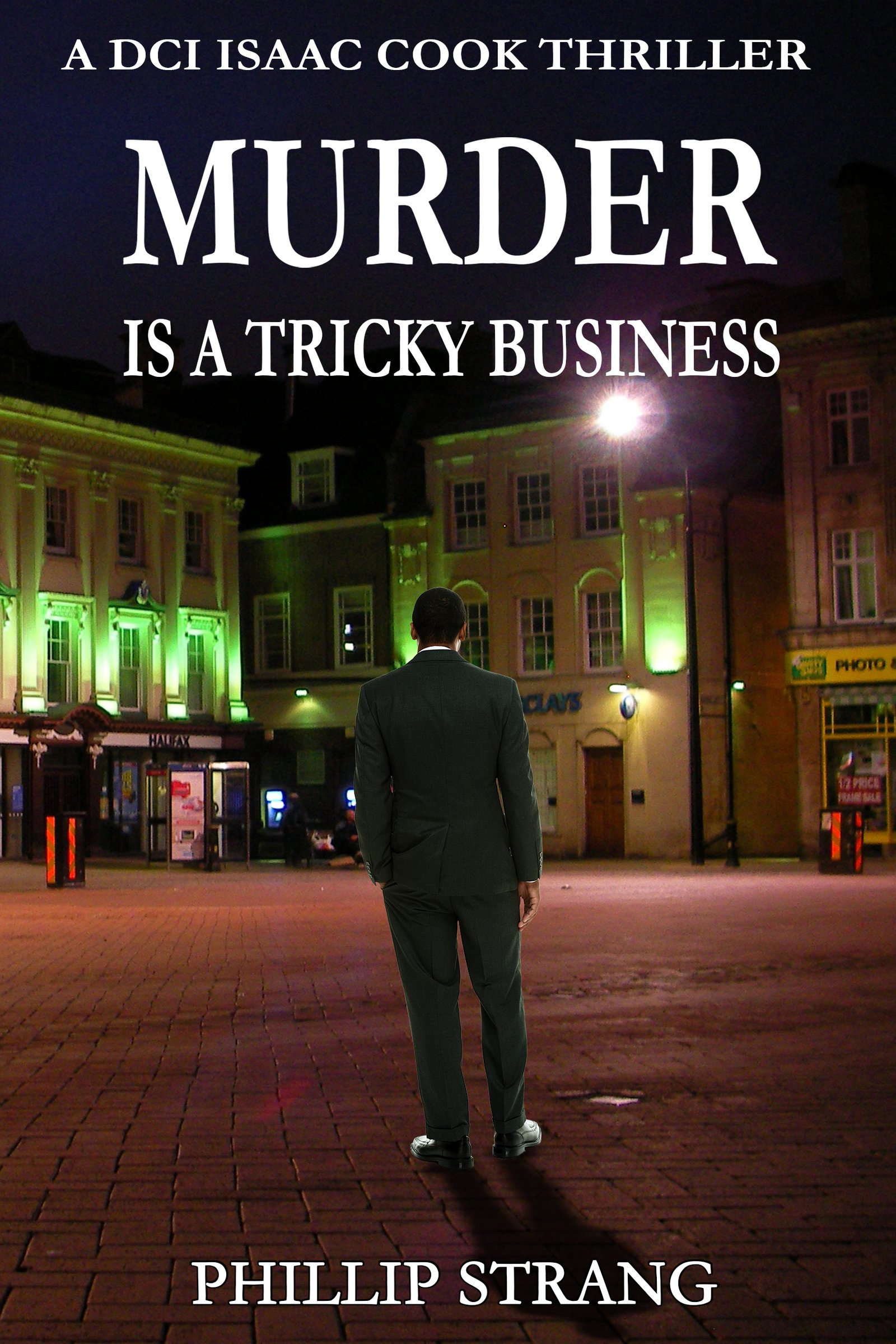
DCI Isaac Cook — Phillip Strang
For readers who appreciate standalone quality but enjoy character development across multiple books, Cook’s London-set investigations offer the perfect bridge between literary ambition and series satisfaction.
Megan Abbott
Abbott brings noir sensibilities to contemporary settings, particularly in her exploration of female relationships and adolescent psychology in works like “Dare Me” and “You Will Know Me.” Her standalone approach allows her to fully inhabit different worlds—from competitive cheerleading to elite gymnastics—without the burden of recurring characters. Abbott writes for readers who want their crime fiction to illuminate the darkness lurking beneath suburban respectability.
Verdict: The definitive chronicler of contemporary female-centered noir.
Laura Lippman
While known for her Tess Monaghan series, Lippman’s standalone novels like “What the Dead Know” and “Lady in the Lake” represent her finest work, freed from series constraints to explore complex narratives about memory, identity, and the persistence of the past. Her standalone works allow for more experimental structures and deeper psychological exploration. Lippman writes for readers who appreciate crime fiction that grapples with larger questions of American social history.
Verdict: Standalone Lippman is superior Lippman—more ambitious and emotionally resonant.
What to Read First
Begin with Tana French’s “In the Woods”—it exemplifies everything that makes standalone crime fiction superior to series work. French’s debut demonstrates how a single novel can achieve psychological depth and narrative complexity impossible when constrained by the need to preserve characters for future installments. The novel’s haunting conclusion wouldn’t be possible if French had to consider Detective Rob Ryan’s marketability for subsequent books.
Essential Standalone Crime Authors
- Tana French – “In the Woods”
- Gillian Flynn – “Gone Girl”
- Kate Atkinson – “Life After Life”
- Megan Abbott – “Dare Me”
- Laura Lippman – “What the Dead Know”
Discover Phillip Strang
For readers who appreciate the depth of standalone novels but enjoy the character development that comes with series work, Phillip Strang offers the perfect compromise: series that maintain the narrative integrity and complete story arcs that make standalone novels so satisfying. Each book provides closure while building richer character histories.
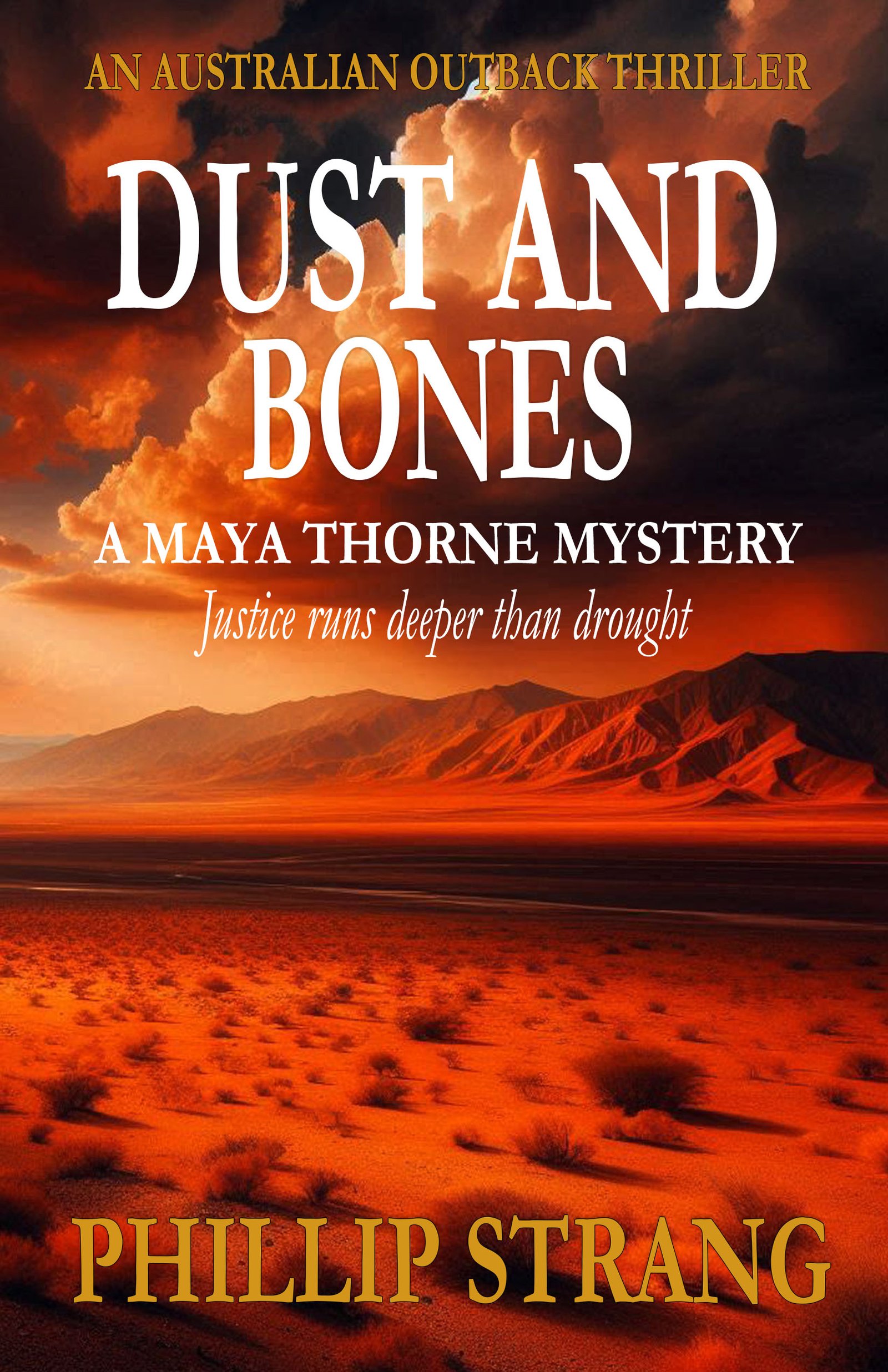
A MAYA THORNE MYSTERY
Get Dust and Bones Free
Justice runs deeper than drought.
Red dust. Shallow graves. A detective who hunts killers where the law runs thin and the nearest help is two hundred miles away.
Send Me the BookYou'll also receive occasional new release emails. Unsubscribe anytime. No spam, ever.