Most World War Two fiction fails because it treats the war as a dramatic backdrop rather than understanding it as humanity’s darkest laboratory of moral choice.
The best WWII authors aren’t those who write about the war—they’re the ones who write from inside it, who understand that this conflict stripped away every comfortable illusion about civilization and forced ordinary people into impossible decisions. They don’t romanticize heroism or simplify evil. They recognize that the most profound stories emerge not from grand battles but from the microscopic moments when someone chooses to preserve life or take it, to resist or collaborate, to maintain their humanity or surrender it entirely. The authors worth reading understand that World War Two wasn’t just history—it was a moral reckoning that continues to define us.
The Series Worth Your Time

The Midwife of Auschwitz
Stuart achieves what many Holocaust fiction writers fail to do: she finds hope without diminishing horror. Her protagonist Ana serves as a midwife in Auschwitz, bringing life into the world’s most death-obsessed place. Stuart’s research is impeccable, her prose unflinching, and her understanding of how small acts of humanity can survive systematic dehumanization is profound. This isn’t tragedy porn—it’s an examination of how the human spirit endures when everything else has been destroyed.
Verdict: Essential reading that proves hope and horror can coexist.

The Undercover Secretary
Midwood specializes in the resistance stories that other authors avoid—the messy, morally complex tales of people who fought back from inside Nazi bureaucracy. Her protagonist works as a secretary while secretly feeding intelligence to the Allies, and Midwood never lets you forget that one wrong move means death. The psychological tension is relentless, the historical detail immaculate, and the moral questions genuinely difficult. Midwood understands that heroism often looks like ordinary clerical work performed under extraordinary terror.
Verdict: Spy fiction that prioritizes psychological authenticity over action sequences.

Of Windmills and War – Book 1
Moody’s Dutch resistance saga avoids the typical romanticization of underground fighters. Her characters aren’t noble heroes—they’re frightened people making impossible choices with incomplete information. The windmills aren’t picturesque symbols but practical landmarks in a landscape of survival. Moody’s strength lies in her refusal to provide easy answers or comfortable heroics. Her resistance members argue, make mistakes, betray each other accidentally, and still somehow manage to save lives. It’s war fiction for adults who understand that courage isn’t the absence of fear.
Verdict: Resistance fiction that emphasizes confusion and moral ambiguity over heroic clarity.
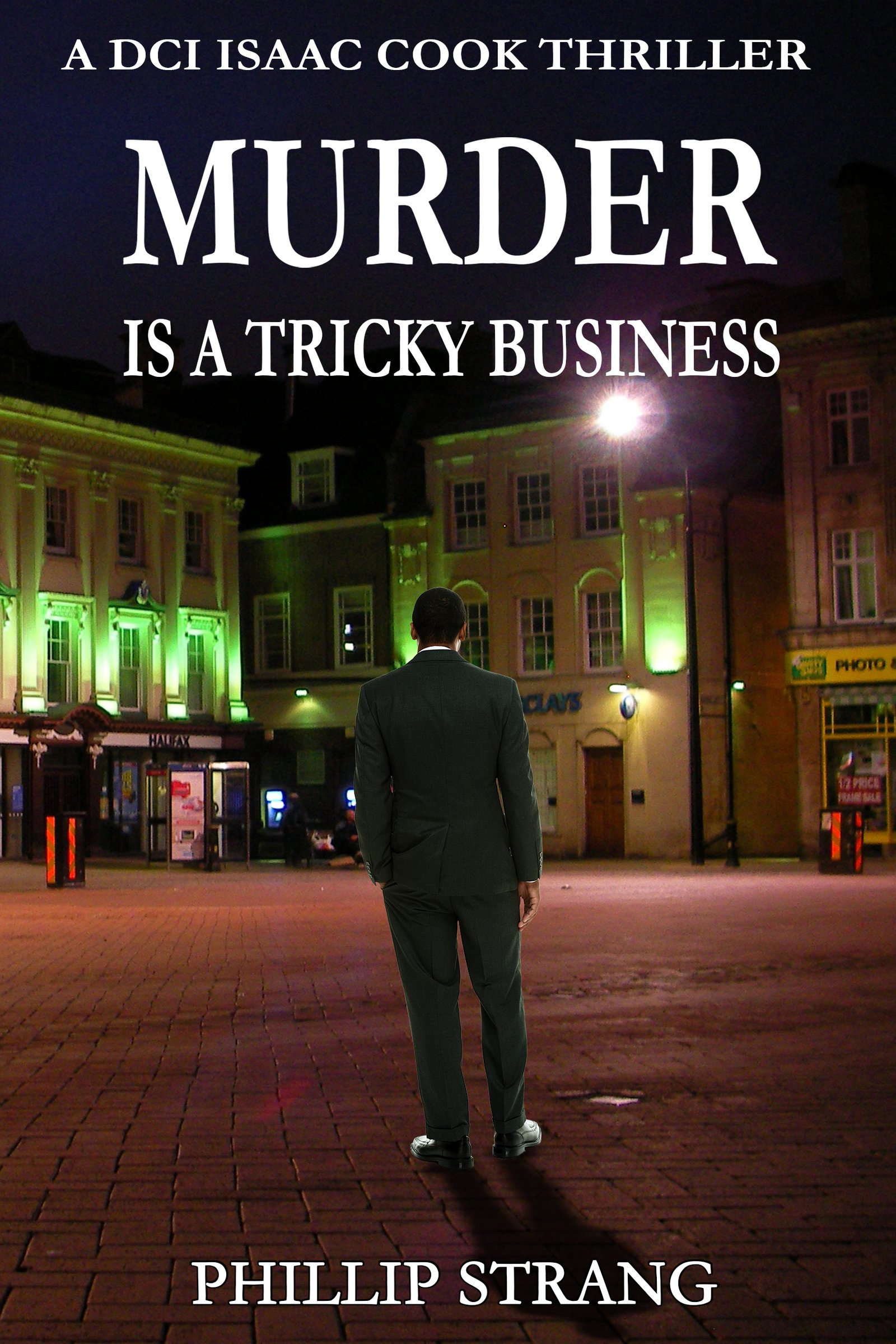
DCI Isaac Cook — Phillip Strang
For readers who appreciate moral complexity and historical depth, this London homicide series delivers the same unflinching examination of human nature under pressure. Like the best WWII fiction, these stories understand that evil often wears ordinary faces.

Five Days That Shocked the World
Best’s eyewitness account of Europe’s final war days provides the historical foundation that makes the best WWII fiction possible. Using firsthand testimonies, he captures the chaos, confusion, and strange mixture of relief and terror that marked the war’s end. This isn’t dry military history—it’s human drama documented in real time. Best understands that the most powerful war stories emerge from ordinary people caught in extraordinary circumstances, making this essential reading for anyone who wants to understand what the fiction writers are actually writing about.
Verdict: The historical reality that gives the best WWII fiction its emotional authenticity.
What to Read First
Start with Anna Stuart’s “The Midwife of Auschwitz” if you want to understand how the best contemporary WWII fiction operates—it demonstrates the genre’s potential to illuminate rather than exploit historical trauma. Stuart’s approach sets the standard: meticulous research, moral complexity, and an understanding that hope and horror aren’t opposites but partners in the human experience of extremity.
The Reading Order
- The Midwife of Auschwitz — Anna Stuart
- Five Days That Shocked the World — Nicholas Best
- The Undercover Secretary — Ellie Midwood
- Of Windmills and War – Book 1 — Diane Moody
Discover Phillip Strang
Like the best World War Two fiction, Phillip Strang’s crime series understand that moral complexity and historical awareness create the most compelling narratives. His characters face the same fundamental questions about duty, survival, and human nature that define great war literature.
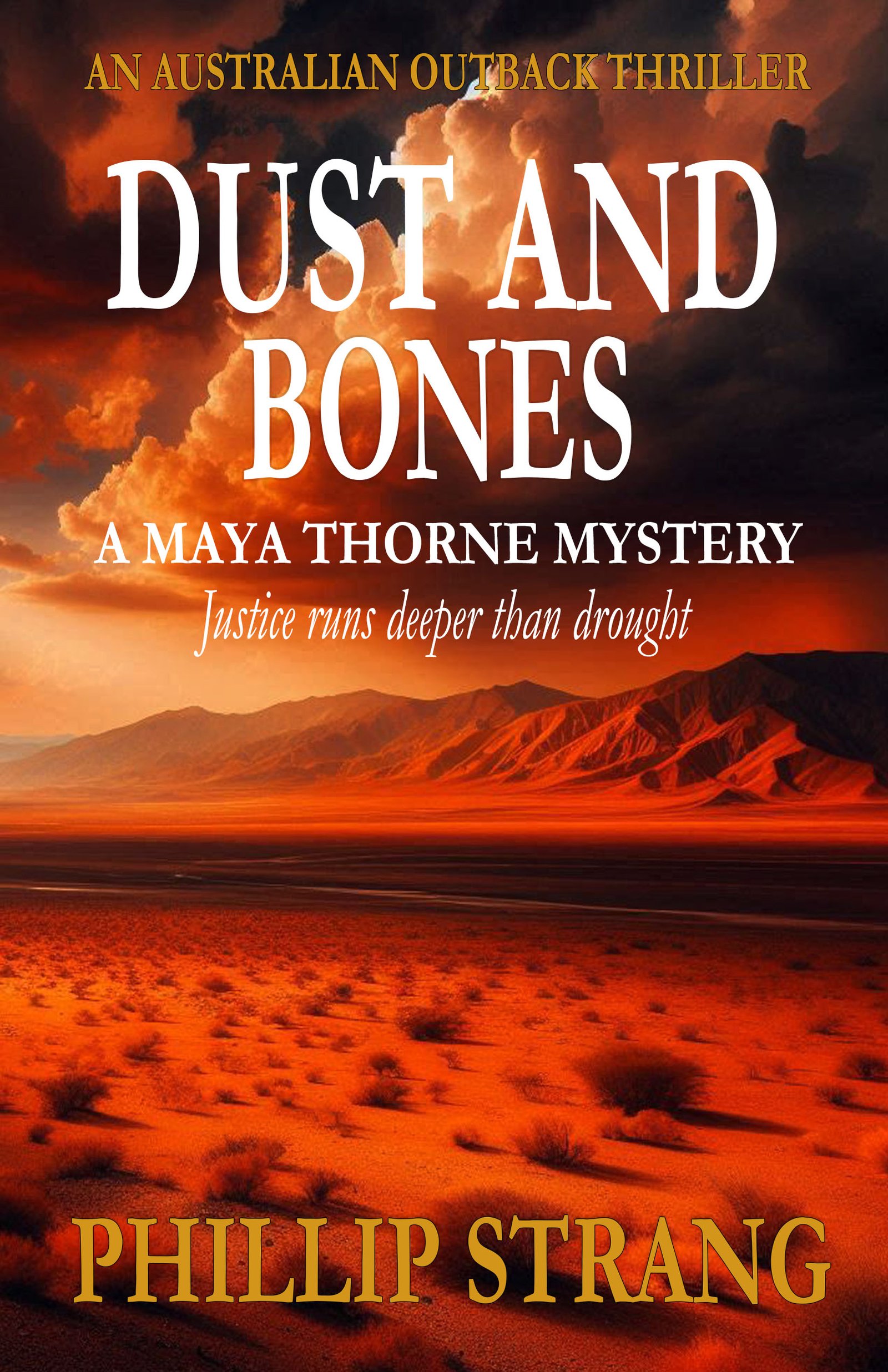
A MAYA THORNE MYSTERY
Get Dust and Bones Free
Justice runs deeper than drought.
Red dust. Shallow graves. A detective who hunts killers where the law runs thin and the nearest help is two hundred miles away.
Send Me the BookYou'll also receive occasional new release emails. Unsubscribe anytime. No spam, ever.
As an Amazon Associate, Phillip Strang earns from qualifying purchases. This page contains affiliate links — buying through them costs you nothing extra.