
Contemporary crime fiction presents a unique challenge that historical mysteries sidestep entirely: the relentless pace of technological, social, and cultural change. What feels cutting-edge today becomes dated within months, and what seems universally relevant can quickly reveal itself as a temporal artifact.
Across eighteen series and more than 150 novels, I’ve learned that writing contemporary crime fiction isn’t about chasing every trending hashtag or incorporating the latest app into your plot. It’s about understanding which elements of ‘now’ will resonate beyond their immediate moment and which will date your work faster than a flip phone reference.
The Technology Trap and How to Sidestep It
Nothing ages contemporary crime fiction faster than specific technology references. I’ve watched perfectly good novels become period pieces within five years because the author couldn’t resist showing off their knowledge of the latest surveillance gadget or social media platform. The key is focusing on what technology enables rather than the technology itself.
In my police procedural series featuring DCI Isaac Cook, I deliberately keep technology references general. Instead of naming specific software, I describe what the analysis reveals. Instead of detailing the exact model of surveillance equipment, I focus on the ethical implications of the information it provides. This approach keeps the stories grounded in contemporary reality without tethering them to rapidly obsolete specifics.
The mistake many writers make is treating technology as a plot device rather than a storytelling environment. Your detective doesn’t solve the case because they used a particular app; they solve it because they understood human nature well enough to know where to look. The technology is merely the tool that gets them there.
Social Issues: The Difference Between Topical and Universal
Contemporary crime fiction often tackles current social issues, but there’s a crucial distinction between issues that are genuinely contemporary and those that are merely topical. Universal themes like corruption, inequality, and abuse of power never go out of date. The specific manifestations change, but the underlying human dynamics remain constant.
When I developed the Maya Thorne series set in the Australian outback, I focused on issues that feel contemporary but have deep historical roots: the tension between development and conservation, the clash between traditional and modern ways of life, the isolation that both protects and endangers rural communities. These aren’t trending topics; they’re enduring conflicts that happen to be playing out in particularly visible ways right now.
The trap is confusing headline-grabbing issues with genuinely contemporary themes. A story about a specific political scandal will date quickly. A story about how power corrupts and how ordinary people respond to corruption will remain relevant indefinitely.
Language: Capturing Voice Without Chasing Trends
Contemporary dialogue presents another moving target. Slang evolves rapidly, generational speech patterns shift, and what sounds authentic today can sound forced or outdated tomorrow. The solution isn’t to avoid contemporary speech but to focus on the rhythms and attitudes behind the words rather than the specific vocabulary.
I approach this by listening for the emotional undertones in how people speak rather than cataloguing their exact phrases. The cynicism of a veteran detective, the defensive posturing of a suspect, the careful precision of someone hiding something—these vocal characteristics transcend specific word choices. When I write dialogue for my FBI thriller series featuring Alex Harlan, I’m more concerned with capturing the institutional mindset and professional caution than with reproducing bureau-specific jargon that might change with the next administration.
The key is understanding that contemporary doesn’t mean current. It means of this time period rather than of this specific moment. Focus on the broader linguistic shifts—increased informality, digital-age compression, generational code-switching—rather than trying to reproduce the exact slang your characters would use.
How I Actually Approach the Contemporary Challenge
My practical approach to writing contemporary crime fiction involves what I call ‘temporal layering.’ I structure each story around elements that operate on different time scales. The core crime—murder, theft, corruption—draws on universal human motivations that don’t change. The investigation methods reflect current capabilities without getting bogged down in technical specifics. The social context captures ongoing tensions rather than immediate controversies.
When plotting a new novel, I test each major story element against a simple question: will this make sense to a reader five years from now? If the answer depends on remembering a specific news cycle or understanding a particular cultural moment, I either generalize it or cut it. This doesn’t mean avoiding contemporary relevance; it means ensuring that relevance isn’t dependent on temporal proximity.
For my Steve Case espionage series, I focus on the enduring realities of intelligence work—the moral ambiguity, the personal costs, the institutional pressures—rather than the specific geopolitical crises that dominate current headlines. The stories feel contemporary because they engage with the timeless human elements of a very contemporary profession.
Common Mistakes That Date Your Work
The most damaging mistake is what I call ‘reference inflation’—the belief that more contemporary references make for more contemporary fiction. Writers pepper their manuscripts with brand names, current events, celebrity mentions, and trending topics, thinking this creates authenticity. Instead, it creates a time capsule that will seem quaint within a decade.
Another frequent error is assuming that contemporary crime fiction must address every current social issue. A single novel that tries to tackle police reform, digital privacy, economic inequality, and political polarization will likely handle none of them effectively. Better to find one genuine thematic thread and explore it thoroughly than to create a superficial survey of contemporary concerns.
The subtlest mistake is tonal anachronism—writing with the sensibilities of an earlier era while incorporating contemporary surface details. Simply updating the technology and adding current slang won’t make a fundamentally old-fashioned story feel contemporary. The underlying narrative approach, character psychology, and thematic concerns must also reflect contemporary understanding of how the world works.
Writers also frequently mistake cynicism for contemporary relevance. Yes, contemporary readers are skeptical of institutions and authority figures, but reflexive cynicism isn’t the same as sophisticated contemporary perspective. The most effective contemporary crime fiction acknowledges current disillusionment while still finding genuine stakes worth caring about.
The Enduring Elements Within Contemporary Framework
The paradox of contemporary crime fiction is that the most successfully contemporary works are often those most firmly grounded in timeless elements. Character psychology, moral complexity, and social observation don’t become obsolete. What changes is the specific context in which these enduring elements play out.
When I create contemporary characters, I focus on how current conditions shape universal human responses rather than on documenting current conditions themselves. A detective dealing with budget cuts and public scrutiny faces the same fundamental challenge as any professional under pressure: how to maintain standards when the system doesn’t support them. The contemporary specifics matter, but they matter because of how they illuminate enduring human dilemmas.
The most effective contemporary crime fiction uses current conditions as a lens for examining permanent aspects of human nature. The technology changes, the social issues evolve, but the underlying questions—how do we respond to temptation, what do we owe each other, when is violence justified—remain constant. Contemporary crime fiction succeeds when it uses the unique circumstances of now to explore the universal elements of always.
This approach has served me well across multiple series set in different contemporary contexts, from London’s Metropolitan Police to the Australian outback to international thriller scenarios. The specific contemporary details differ, but the underlying method remains the same: use the present moment to illuminate enduring truths about crime, justice, and human nature.
Conclusion
Writing contemporary crime fiction means accepting that you’re aiming at a moving target, but the solution isn’t to chase every movement. Instead, focus on the forces driving the movement—the underlying social, technological, and cultural pressures that create contemporary conditions. Ground your stories in these deeper currents rather than surface phenomena, and your contemporary crime fiction will remain contemporary long after the immediate moment has passed.
About Phillip Strang
Phillip Strang is an Australian crime and thriller novelist. Across eighteen series and more than 150 novels, his work spans London police procedurals (DCI Isaac Cook), UK investigations (DI Tremayne), Australian outback crime (Maya Thorne), FBI thrillers (Alex Harlan), Scottish Highland mysteries (DI Sarah Lynch), and espionage (Steve Case). Learn more about Phillip or browse his complete catalogue on Amazon.
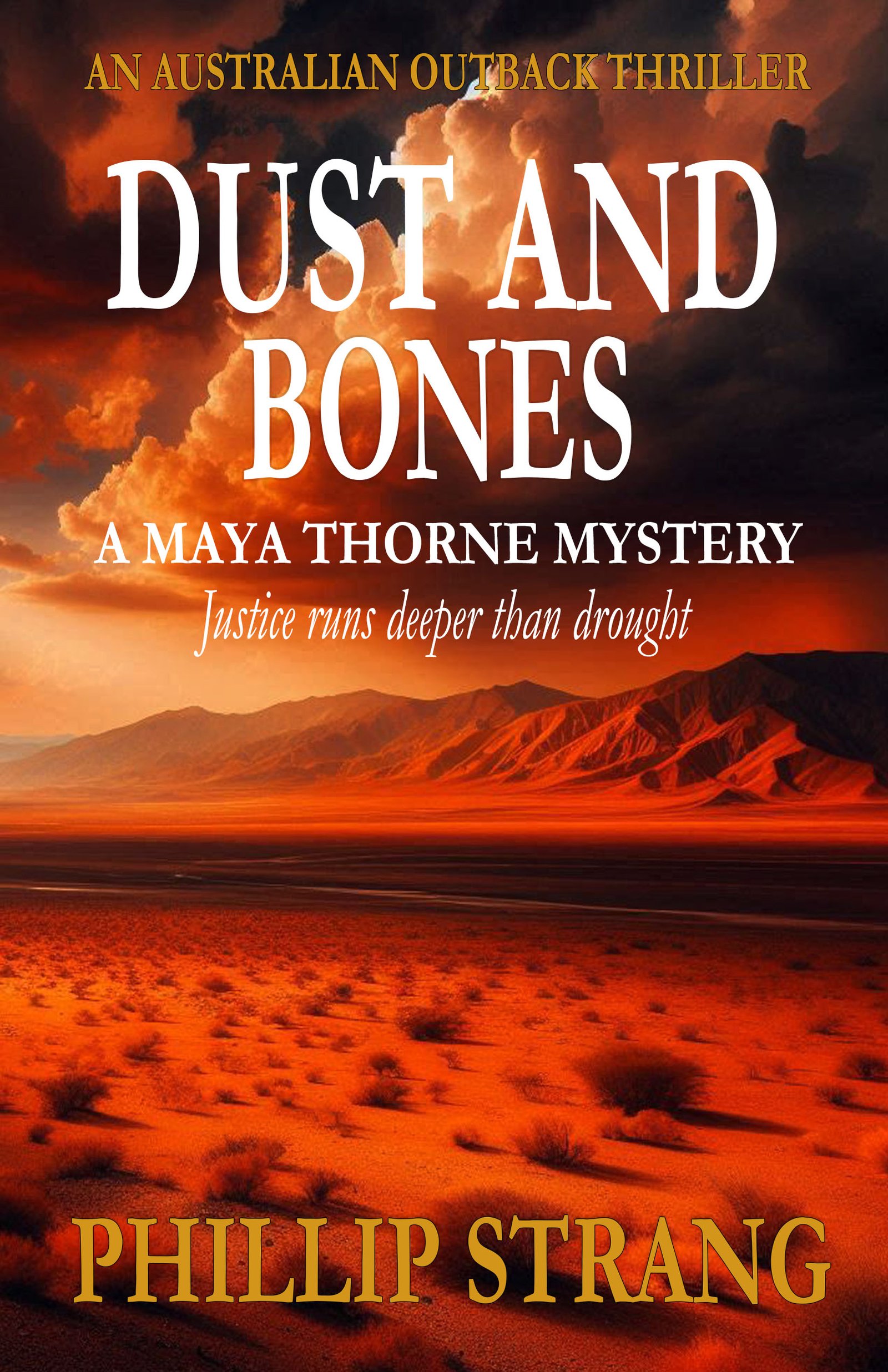
A MAYA THORNE MYSTERY
Get Dust and Bones Free
Justice runs deeper than drought.
Red dust. Shallow graves. A detective who hunts killers where the law runs thin and the nearest help is two hundred miles away.
Send Me the BookYou'll also receive occasional new release emails. Unsubscribe anytime. No spam, ever.
As an Amazon Associate, Phillip Strang earns from qualifying purchases. This page contains affiliate links — buying through them costs you nothing extra.