
Writing crime fiction that will cross language barriers forces you to confront fundamental questions about how culture shapes character motivation, dialogue authenticity, and the very structure of suspense. The mechanics of a murder investigation might translate readily enough, but the social dynamics that drive both criminal behavior and detective methodology are deeply embedded in linguistic and cultural context. Every choice you make about setting, character psychology, and procedural detail becomes magnified when filtered through translation.
Across eighteen series and more than 150 novels, I have found that the most successful crime fiction in translation maintains its essential tension while remaining adaptable to different cultural frameworks. The challenge lies not in dumbing down cultural specificity, but in selecting details that enhance rather than obscure the core criminal narrative when rendered in another language.
The Cultural Weight of Criminal Procedure
Legal systems shape the entire architecture of crime fiction, yet these frameworks rarely translate directly. British police procedurals operate within a completely different investigative structure than American FBI thrillers, and both differ fundamentally from Australian outback crime approaches. When writing my DCI Isaac Cook series, the Metropolitan Police hierarchy, warrant requirements, and interview protocols are intrinsic to how cases unfold. Strip away these procedural specifics for translation, and you lose the authentic tension that drives the investigation forward.
The solution is not to avoid procedural detail but to ground it in universal human behavior. Focus on the psychological pressure a suspect feels during questioning rather than the specific legal terminology. Emphasize the frustration of bureaucratic delays rather than the particular forms that create those delays. The emotions and power dynamics translate; the administrative machinery does not.
Dialogue Authenticity Across Languages
Crime fiction dialogue carries enormous weight in establishing character credibility and social hierarchy. Regional dialects, professional jargon, and class markers embedded in speech patterns create authenticity, but they also create translation nightmares. A London detective’s particular way of speaking cannot be directly converted into equivalent regional markers in German or Japanese translation.
I learned this lesson writing across different settings within English itself. The way characters speak in my Scottish Highland mysteries differs fundamentally from how they communicate in Sydney crime stories, not just in accent but in underlying cultural assumptions about authority, community, and personal disclosure. When approaching translation-ready crime fiction, I focus on character-specific speech rhythms and emotional registers rather than regional linguistic markers. A nervous witness sounds nervous in any language; a defensive suspect displays defensiveness through universal behavioral cues that transcend specific vocabulary choices.
Setting as Character in Translation
Crime fiction settings function as active characters in the investigation, providing both obstacles and clues that drive plot development. The Australian outback in my Maya Thorne series creates isolation, communication challenges, and environmental dangers that directly impact how crimes unfold and how investigations proceed. These geographical realities translate more successfully than cultural nuances because physical constraints operate similarly regardless of the reader’s native language.
Urban crime settings present different translation challenges. The social geography of London neighborhoods, the economic stratification of American cities, or the cultural divisions within Australian communities all influence criminal behavior and investigative approaches. When writing for translation, I emphasize the functional aspects of setting rather than the culturally specific associations. A wealthy neighborhood provides privacy for certain crimes and creates particular investigative challenges. A working-class area offers different criminal opportunities and community dynamics. These functional relationships translate; the cultural stereotypes and historical associations do not.
Successful crime writers understand that police procedural novels depend on authentic procedural detail, but translation requires selecting details that enhance rather than obscure the core investigative process.
Common Translation Pitfalls in Crime Writing
The most frequent mistake in translation-intended crime fiction is over-explaining cultural context through exposition. Writers assume translators and foreign readers need extensive background about legal systems, social structures, or cultural practices. This approach destroys narrative momentum and creates artificial dialogue where characters explain things they would never actually discuss. A British detective does not explain the Crown Prosecution Service to his sergeant any more than an Australian cop explains magistrate court procedures to her partner.
Another critical error involves relying too heavily on culturally specific humor or wordplay for tension relief. Crime fiction needs moments of levity to balance intense investigative sequences, but jokes that depend on linguistic puns or cultural references disappear in translation. Physical comedy, situational irony, and character-based humor translate successfully; clever wordplay and cultural commentary do not.
The tendency to use slang or professional jargon as authenticity shortcuts also fails in translation. Police terminology, criminal argot, and regional expressions might sound realistic to native speakers, but they create confusion in translated versions. Instead of relying on specialized vocabulary for authenticity, focus on the power dynamics, emotional stakes, and psychological pressure that drive criminal investigations. These elements survive translation intact.
My Approach to Translation-Ready Crime Fiction
When developing crime novels with international potential, I start with universal criminal motivations rather than culture-specific triggers. Greed, revenge, desperation, and power hunger drive criminal behavior across all cultures. The particular ways these motivations manifest might vary, but the underlying psychological patterns remain consistent. My Steve Case terrorism and espionage series works internationally because the fundamental conflicts between security agencies and terrorist organizations operate similarly regardless of specific national contexts.
I construct investigative procedures around logical problem-solving sequences rather than jurisdiction-specific protocols. Evidence gathering, suspect identification, and case resolution follow similar patterns worldwide, even when the particular legal frameworks differ. By emphasizing the intellectual and emotional challenges investigators face rather than the administrative procedures they follow, the stories maintain authenticity while remaining accessible to international readers.
Character development focuses on personal psychology rather than cultural identity markers. A corrupt official behaves similarly whether operating in London, Sydney, or Edinburgh. The specific cultural context shapes the corruption opportunities and detection methods, but the psychological profile of someone willing to abuse authority translates directly. This approach allows translators to adapt surface details while preserving essential character dynamics.
Crime fiction that travels successfully across languages, much like action thriller novels, prioritizes universal human conflicts over culturally specific scenarios.
Conclusion
Writing crime fiction for translation requires discipline in separating universal criminal psychology from culture-specific procedural detail. The most successful approach emphasizes emotional authenticity and logical investigation sequences while allowing translators flexibility in adapting surface cultural elements. This strategy preserves the essential tension that drives crime fiction while making stories accessible to international audiences.
About Phillip Strang
Phillip Strang is an Australian crime and thriller novelist. Across eighteen series and more than 150 novels, his work spans London police procedurals (DCI Isaac Cook), UK investigations (DI Tremayne), Australian outback crime (Maya Thorne), FBI thrillers (Alex Harlan), Scottish Highland mysteries (DI Sarah Lynch), and espionage (Steve Case). Learn more about Phillip or browse his complete catalogue on Amazon.
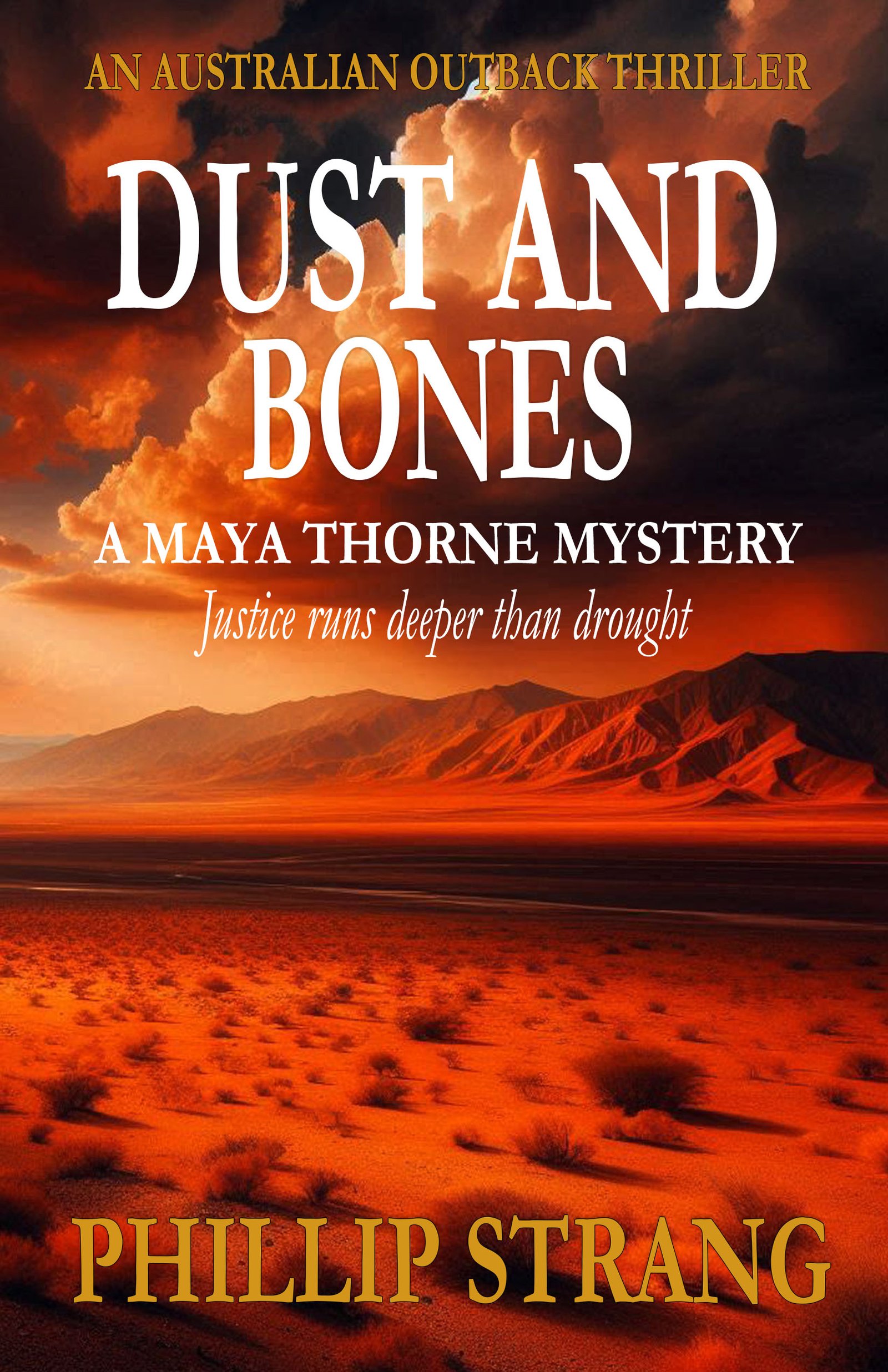
A MAYA THORNE MYSTERY
Get Dust and Bones Free
Justice runs deeper than drought.
Red dust. Shallow graves. A detective who hunts killers where the law runs thin and the nearest help is two hundred miles away.
Send Me the BookYou'll also receive occasional new release emails. Unsubscribe anytime. No spam, ever.
As an Amazon Associate, Phillip Strang earns from qualifying purchases. This page contains affiliate links — buying through them costs you nothing extra.