
Real police officers don’t sound like television detectives, and readers of police procedural novels can spot inauthentic dialogue from a mile away. The challenge for crime writers lies not in creating dramatic speeches, but in capturing the rhythms, hierarchies, and genuine communication patterns that define how law enforcement professionals actually interact with each other.
Across eighteen series and more than 150 novels, I have found that authentic police dialogue serves as the backbone of credible procedural fiction. When officers speak believably to each other, readers trust everything else about your investigation, your characters, and your plot.
The Hierarchy Always Shows
Police dialogue immediately reveals rank, experience, and departmental relationships through subtle linguistic markers that amateur writers often miss. A detective constable doesn’t address a detective chief inspector the same way they speak to a fellow DC, and these distinctions appear in word choice, tone, and formality levels rather than obvious verbal genuflecting.
In my DCI Isaac Cook series, I consistently show how Cook’s conversations with his team reflect both respect and familiarity built over years of working together. When DS Larry Hill speaks to Cook, there’s deference without subservience, professional acknowledgment without stiffness. The dialogue captures their working relationship through natural speech patterns rather than forced ‘yes sir, no sir’ exchanges.
Senior officers tend to speak more directly and waste fewer words. They’ve earned the right to cut through procedural niceties when necessary. Junior officers often over-explain or seek confirmation more frequently. These patterns create authentic dialogue that reveals character relationships without exposition.
Professional Shorthand and Insider Language
Police officers develop their own vocabulary, abbreviations, and reference systems that outsiders wouldn’t immediately understand. This professional shorthand appears constantly in real police conversation, but crime writers must balance authenticity with reader comprehension.
Effective police dialogue includes enough insider terminology to feel genuine without becoming impenetrable. Officers might discuss ‘the DPS report’ or reference ‘uniform’s initial assessment’ in ways that demonstrate their shared professional knowledge. The key lies in making these references contextually clear without stopping to define every term.
Regional variations matter significantly. British police officers use different terminology than American cops, and even within countries, departmental cultures vary. Australian police don’t sound like London Metropolitan officers, which becomes crucial when writing action thriller novels with international law enforcement cooperation.
How I Actually Write Police Conversations
When crafting dialogue for my police characters, I focus first on what each officer needs to accomplish in the conversation, then layer in the relationship dynamics and professional context. I avoid starting with ‘how cops should sound’ and instead begin with ‘what information needs to be exchanged and how these specific characters would exchange it.’
I listen for rhythm and interruption patterns. Real police conversations include overlaps, half-finished thoughts, and shared understanding that doesn’t require complete sentences. Officers who’ve worked together develop communication shortcuts that show their partnership’s depth.
In my DI Tremayne series, I deliberately contrast Tremayne’s rural policing experience with urban officers’ approaches. Their dialogue reflects different priorities, different case loads, and different community relationships. Tremayne speaks more directly with locals because he understands the community context, while visiting specialists use more formal language because they’re operating outside their usual environment.
I also pay attention to stress and fatigue effects on speech patterns. Officers working a difficult case don’t maintain the same verbal courtesy they’d use during routine interactions. Exhaustion, frustration, and pressure all affect how people communicate, and police officers aren’t exempt from these human realities.
Common Dialogue Mistakes That Kill Credibility
The most damaging error involves making police officers sound like lawyers or academics when discussing cases. Real cops don’t say ‘We must apprehend the perpetrator who committed this heinous crime.’ They’re more likely to say ‘Let’s find this bastard before he kills someone else.’ Professional language exists, but it’s situational and purposeful.
Many writers also fail to account for generational differences within police departments. Veteran officers who’ve seen everything speak differently than eager rookies trying to prove themselves. A twenty-year detective doesn’t get excited about routine procedures, while a new constable might still find certain aspects of police work remarkable enough to comment on.
Another credibility killer involves having officers constantly explain procedures to each other. Experienced police don’t need to be told how arrests work or what constitutes probable cause. If your dialogue includes basic procedural explanations, those conversations should involve training scenarios or interactions with civilians, not professional discussions between experienced officers.
Writers frequently overuse police jargon, thinking more technical language equals more authenticity. Real officers mix professional terminology with colloquial speech naturally. They might reference ‘the suspect’s vehicle’ in official contexts but call it ‘his car’ during informal team discussions.
Emotional Authenticity Under Professional Constraints
Police officers deal with humanity’s worst behavior regularly, and this exposure affects how they communicate with colleagues who share similar experiences. Their dialogue often includes dark humor, emotional detachment mechanisms, and shared understanding about cases’ psychological toll.
However, this doesn’t mean police officers are emotionally flat or constantly cynical. They react to particularly disturbing crimes, celebrate successful investigations, and worry about colleagues’ safety. The challenge lies in showing these emotions through dialogue that respects professional boundaries while revealing genuine human responses.
In my espionage thriller work, I’ve found similar patterns among intelligence officers who must maintain professional composure while processing morally complex situations. The dialogue techniques transfer across law enforcement and intelligence communities because both groups balance emotional authenticity with professional requirements.
Effective police dialogue also reflects the weight of responsibility these officers carry. Their conversations about cases include awareness that their decisions affect victims, families, and community safety. This gravity appears in speech patterns, decision-making discussions, and how they frame their work’s importance.
Conclusion
Authentic police dialogue emerges from understanding how professional relationships, hierarchies, and shared experiences shape communication patterns. Writers who master these elements create procedural novels where every conversation reinforces character credibility and plot authenticity.
About Phillip Strang
Phillip Strang is an Australian crime and thriller novelist. Across eighteen series and more than 150 novels, his work spans London police procedurals (DCI Isaac Cook), UK investigations (DI Tremayne), Australian outback crime (Maya Thorne), FBI thrillers (Alex Harlan), Scottish Highland mysteries (DI Sarah Lynch), and espionage (Steve Case). Learn more about Phillip or browse his complete catalogue on Amazon.
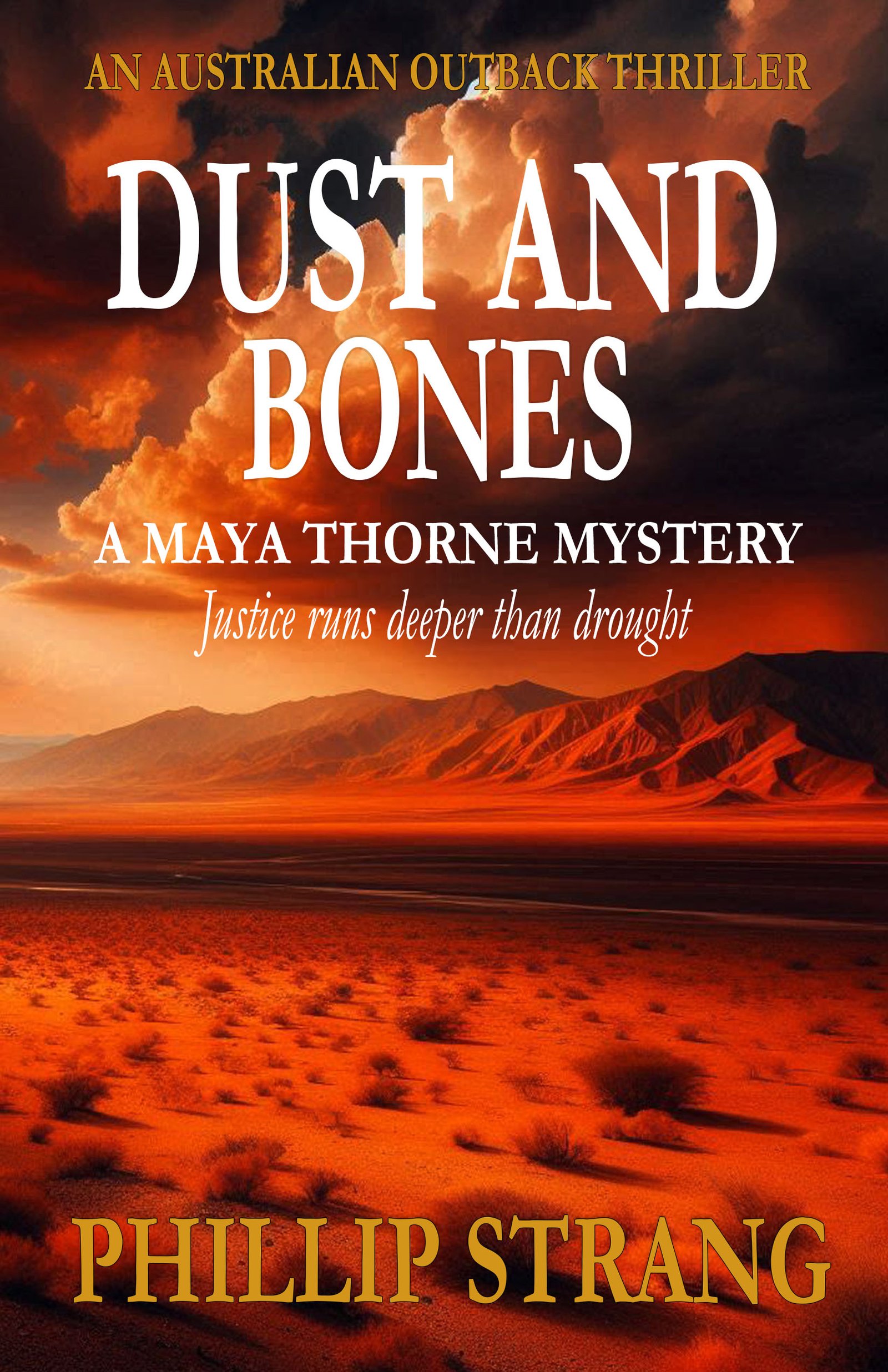
A MAYA THORNE MYSTERY
Get Dust and Bones Free
Justice runs deeper than drought.
Red dust. Shallow graves. A detective who hunts killers where the law runs thin and the nearest help is two hundred miles away.
Send Me the BookYou'll also receive occasional new release emails. Unsubscribe anytime. No spam, ever.
As an Amazon Associate, Phillip Strang earns from qualifying purchases. This page contains affiliate links — buying through them costs you nothing extra.