
The double ending in crime fiction presents a structural challenge that separates competent writers from those who truly understand the mechanics of reader satisfaction. When a single resolution feels insufficient—whether because the stakes demand it, the antagonist requires it, or the thematic weight calls for it—the double ending becomes not just an option but a necessity.
The temptation to tack on a second resolution usually stems from uncertainty rather than craft mastery. Across eighteen series and more than 150 novels, I have found that the double ending works only when both conclusions serve distinct but interconnected purposes, each earning its place through careful construction rather than authorial indecision.
The Structural Foundation of Dual Resolutions
A proper double ending requires two separate but related conflicts, each demanding its own climactic moment. The first resolution typically addresses the immediate crime or threat—the murder solved, the terrorist plot foiled, the missing person found. The second resolution handles the deeper, often more personal consequence that the first resolution has either revealed or set in motion.
In my DI Tremayne series, I frequently employ this structure when the obvious crime masks a more significant corruption. The first ending resolves who committed the murder; the second ending deals with why the murder was necessary to conceal something far worse. This isn’t repetition—it’s excavation. Each resolution operates at a different level of the story’s architecture.
The key lies in making both endings feel inevitable rather than convenient. The second resolution must grow organically from the first, not feel appended to it. This requires planting the seeds of the second conflict early enough that its resolution feels earned, not manufactured.
My Working Approach to Crafting Double Endings
When I structure a novel with dual resolutions, I map both endpoints before writing the opening chapter. The first ending serves the plot; the second serves the character or theme. This distinction prevents overlap and ensures each resolution justifies its existence.
I use what I call the ‘revelation ladder’ technique. The first climax reveals the immediate truth; the second climax reveals the larger truth that the immediate truth was hiding. In practice, this means the first resolution should feel complete but leave the protagonist—and the reader—with a nagging sense that something deeper remains unaddressed.
The pacing between these two endings becomes crucial. Too close together and they blur into a single, unfocused climax. Too far apart and the second feels anticlimactic. I aim for what I term the ‘false relief’ gap—enough time for characters and readers to believe the main conflict has ended, but not enough time for emotional investment to dissipate completely.
My police procedural novels often demand this structure because real criminal investigations rarely end with a single, clean resolution. The arrest might resolve the immediate crime, but the systemic issues that allowed the crime to occur require separate addressing.
When Double Endings Serve Theme Over Plot
The most effective double endings often use the second resolution to address thematic rather than purely plot-driven concerns. The first ending answers ‘who’ or ‘how’; the second ending addresses ‘why it matters’ in a larger context.
In crime fiction, this frequently manifests when individual criminal acts reflect broader institutional failures. The detective solves the specific case in the first resolution, but the second resolution forces them to confront the system that enabled the crime. This approach elevates the story beyond simple problem-solving into genuine examination of consequences.
The danger here lies in making the second ending preachy or didactic. The thematic resolution must emerge through action and character choice, not exposition or explanation. The protagonist’s decision in the second ending should demonstrate the theme, not articulate it.
I’ve found that espionage thrillers particularly benefit from this thematic doubling. The immediate mission might succeed in the first ending, but the second ending reveals the moral cost of that success, forcing both protagonist and reader to question whether the victory was worth achieving.
The Antagonist’s Role in Dual Resolutions
Truly complex antagonists often require double endings because their defeat cannot be accomplished through a single action. The first resolution might eliminate their immediate threat, but the second resolution addresses their lasting influence or the vacuum their removal creates.
This works particularly well when dealing with institutional corruption or criminal networks. Arresting the individual perpetrator in the first ending feels satisfying but incomplete; dismantling the system they represented requires the second resolution. The antagonist’s presence should linger beyond their apparent defeat, creating the necessity for further action.
In my Steve Case series, I frequently structure books so that neutralizing the immediate terrorist threat forms the first ending, while addressing the political or social conditions that created the threat provides the second. The antagonist’s ideology or network continues to pose consequences even after their personal defeat.
Common Mistakes in Double Ending Construction
The most frequent error involves using the second ending to introduce entirely new information rather than resolve existing threads. If readers need significant new exposition in the final chapters, the double ending becomes a separate story awkwardly attached to the first. Both resolutions should draw from the same evidence and character development established throughout the narrative.
Another persistent mistake involves making the second ending bigger rather than deeper than the first. Escalating the stakes for the second resolution—bigger explosions, higher body counts, more dramatic confrontations—usually indicates structural weakness rather than dramatic strength. The second ending should intensify meaning, not merely amplify action.
Many writers also fall into the trap of using double endings to hedge their bets, providing both a ‘happy’ and ‘realistic’ conclusion. This approach satisfies no one. Both endings must serve the story’s internal logic rather than attempt to please different reader preferences. The second resolution should feel as inevitable as the first, not optional.
Timing problems plague many double endings as well. Placing the second resolution too immediately after the first creates a single, confused climax. Waiting too long allows energy to dissipate completely. The sweet spot exists when the first resolution creates a specific new tension that demands immediate addressing, but through different actions than those that solved the original conflict.
Finally, many writers use double endings to explain rather than conclude. The second ending becomes an extended epilogue that tells readers what everything meant rather than showing them through final character choices. Character-driven narratives particularly suffer from this approach, as explanation replaces demonstration of growth or change.
Conclusion
The double ending succeeds only when both resolutions earn their necessity through careful structural planning and thematic integration. When executed properly, it provides the deep satisfaction that comes from addressing both immediate and lasting consequences of the central conflict, elevating crime fiction beyond simple puzzle-solving into meaningful examination of cause, effect, and moral responsibility.
About Phillip Strang
Phillip Strang is an Australian crime and thriller novelist. Across eighteen series and more than 150 novels, his work spans London police procedurals (DCI Isaac Cook), UK investigations (DI Tremayne), Australian outback crime (Maya Thorne), FBI thrillers (Alex Harlan), Scottish Highland mysteries (DI Sarah Lynch), and espionage (Steve Case). Learn more about Phillip or browse his complete catalogue on Amazon.
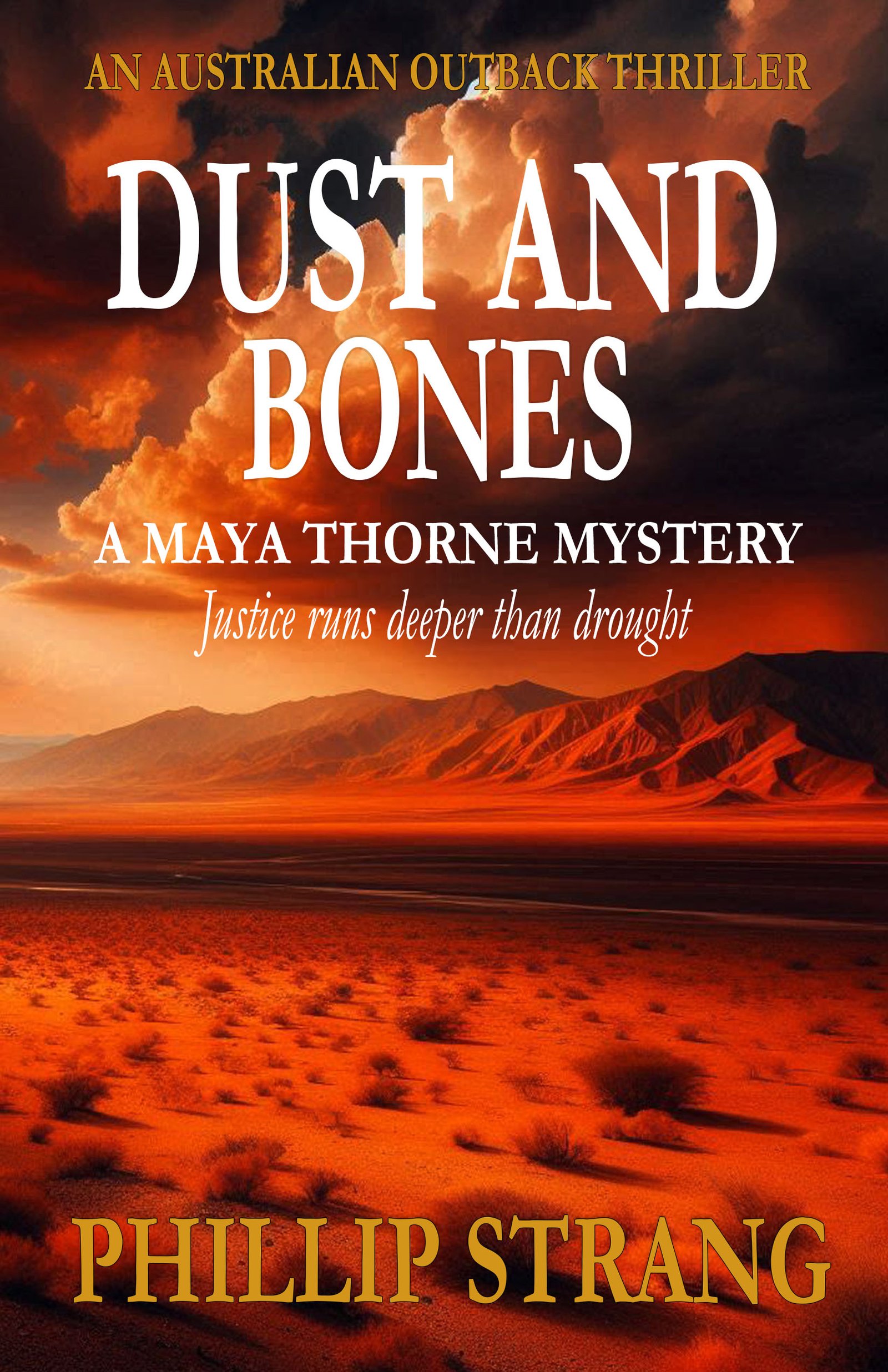
A MAYA THORNE MYSTERY
Get Dust and Bones Free
Justice runs deeper than drought.
Red dust. Shallow graves. A detective who hunts killers where the law runs thin and the nearest help is two hundred miles away.
Send Me the BookYou'll also receive occasional new release emails. Unsubscribe anytime. No spam, ever.
As an Amazon Associate, Phillip Strang earns from qualifying purchases. This page contains affiliate links — buying through them costs you nothing extra.