
Every crime writer faces the same brutal question: when do you kill off your detective, not literally, but professionally? The moment arrives when your once-sharp protagonist starts feeling stale, when readers begin drifting away, or when you realise you’re recycling plots from book three. It’s the decision that separates professional writers from those who flog dead horses until publishers stop returning calls.
Across eighteen series and more than 150 novels, I’ve learned that ending a crime series requires the same ruthless precision as plotting a murder. The difference is you’re murdering your own creation, and the victim is often your most reliable income stream.
The Revenue Trap That Kills Creativity
Let’s address the commercial elephant first. A successful crime series becomes a cash cow, and publishers love predictable income. Your DCI or FBI agent sells steadily, Amazon algorithms favour them, and bookshops know where to shelve them. This financial pressure creates the biggest trap in crime writing: continuing a series purely for money rather than creative necessity.
I’ve watched brilliant writers destroy their reputations by stretching detective series beyond their natural lifespan. The protagonist becomes a caricature, the supporting cast grows stale, and plots become increasingly contrived. Readers notice this decline faster than writers want to admit. They stop pre-ordering, leave harsh reviews, and eventually abandon the character altogether.
The commercial reality is harsh but simple: a mediocre fifteenth book damages sales of books one through fourteen. Better to end strong with eight excellent novels than limp to twelve forgettable ones. When I concluded certain arcs in my police procedural work, it was partly because I recognised this pattern emerging.
Character Arc Completion: The Natural End Point
Every compelling detective carries emotional baggage, personal demons, or unresolved trauma that drives their investigations. This psychological foundation provides the series backbone, but it also creates natural endpoints. Once your character resolves their core conflict, continuing the series requires manufacturing new trauma, which often feels artificial.
In developing my DI Tremayne character, I built his arc around specific personal and professional challenges that would naturally resolve over multiple books. The key insight is recognising when that resolution approaches and planning accordingly. Some writers make the mistake of introducing contrived new conflicts to extend the series artificially.
Character growth has limits within the crime genre. Your detective can’t keep evolving indefinitely without losing the core traits that made them compelling initially. There’s a sweet spot where they’ve grown enough to satisfy readers’ emotional investment but haven’t transformed so completely that they’re unrecognisable. Missing this timing is a common craft failure.
How I Actually Approach Series Endings
My practical approach involves monitoring three specific indicators across each series. First, I track my own enthusiasm for the character during the writing process. When I find myself avoiding certain scenes or feeling bored by familiar interactions, that’s an early warning sign. Second, I watch for repetitive plot patterns creeping into my outlines. Third, I pay attention to reader feedback shifting from character engagement to plot focus exclusively.
I plan potential exit strategies from book three onwards in any series. This doesn’t mean I’m planning to end early, but I identify natural conclusion points where character arcs could satisfyingly resolve. With my Steve Case espionage series, I mapped several possible endpoints based on different character development trajectories.
The actual decision timing depends on recognising these convergence points: when character arc completion aligns with strong plot resolution possibilities and my creative energy for the character remains high. Ending while still enthusiastic about the character ensures the final books maintain quality rather than feeling like obligatory conclusions.
The Fatal Mistakes That Destroy Series Endings
The most common error is waiting too long to make the decision. Writers often recognise series fatigue two or three books after it begins affecting their work quality. By then, reader disappointment has already damaged the character’s reputation. Another frequent mistake is ending abruptly without proper character arc resolution, leaving readers feeling cheated after years of investment.
Some writers attempt to hedge their bets by writing ambiguous endings that could continue or conclude depending on market response. This approach satisfies nobody. Readers want definitive closure, and publishers prefer clear commercial decisions. The middle ground pleases neither audience nor business partners.
Publishing pressure creates another trap: agreeing to additional books when the series has naturally concluded. I’ve seen writers produce weak continuation volumes that retroactively damage strong endings they’d already achieved. When editors request ‘just one more’ book, the answer should usually be no if you’ve already crafted a satisfying conclusion.
The temptation to resurrect ended series poses ongoing dangers. Unless genuinely compelling new material emerges that justifies continuation, resurrection attempts typically feel forced and disappoint both existing fans and new readers. Action thriller writing particularly suffers from these revival attempts.
Alternative Strategies: Spin-offs and Universe Building
Smart series management involves developing exit strategies that preserve commercial value while maintaining creative integrity. Spin-off series featuring supporting characters allow writers to continue exploring familiar settings without exhausting primary protagonists. This approach works particularly well in crime fiction, where procedural teams naturally generate multiple interesting characters.
Universe building offers another solution. Rather than endlessly extending single character series, create interconnected stories within consistent geographical or institutional settings. My approach with various UK-based series demonstrates this strategy: different detectives operating in related jurisdictions can reference each other without requiring the same protagonist throughout.
Prequel opportunities also emerge when ending established series. Exploring your detective’s earlier career or formative cases can satisfy reader demand for more content while avoiding the creative constraints of continuing beyond natural endpoints. This works especially well in espionage thriller contexts where character histories often contain unexplored material.
Some writers successfully transition ended characters into mentoring roles within new series, providing continuity while introducing fresh protagonists. The key is ensuring these appearances serve genuine story purposes rather than mere fan service.
Conclusion
Ending a crime series requires the same decisive action as solving the murders within them. The evidence is usually clear: declining enthusiasm, repetitive plots, and character stagnation all point toward natural conclusion. The courage to act on this evidence separates professional writers from those who let profitable series decay into mediocrity.
About Phillip Strang
Phillip Strang is an Australian crime and thriller novelist. Across eighteen series and more than 150 novels, his work spans London police procedurals (DCI Isaac Cook), UK investigations (DI Tremayne), Australian outback crime (Maya Thorne), FBI thrillers (Alex Harlan), Scottish Highland mysteries (DI Sarah Lynch), and espionage (Steve Case). Learn more about Phillip or browse his complete catalogue on Amazon.
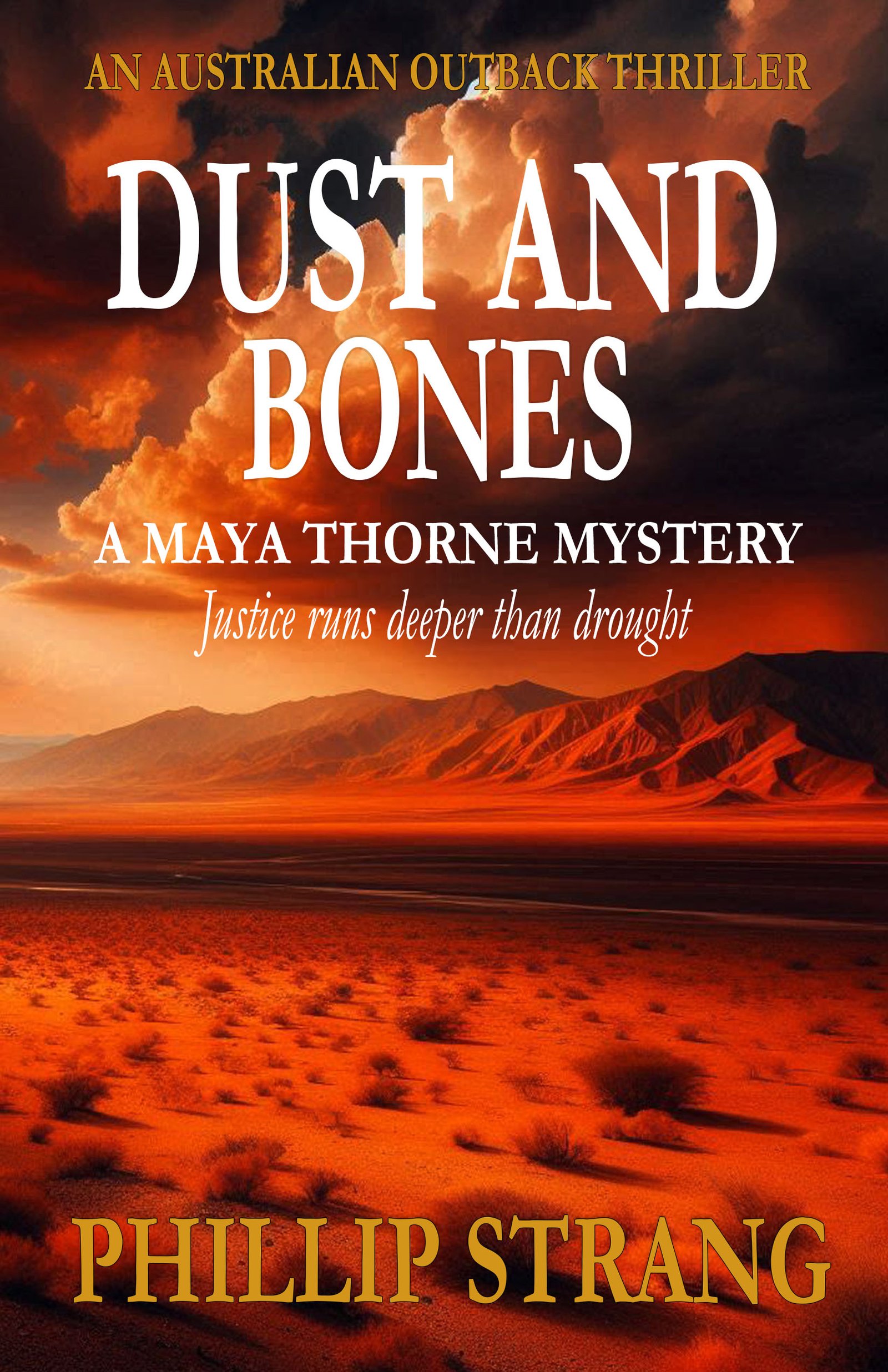
A MAYA THORNE MYSTERY
Get Dust and Bones Free
Justice runs deeper than drought.
Red dust. Shallow graves. A detective who hunts killers where the law runs thin and the nearest help is two hundred miles away.
Send Me the BookYou'll also receive occasional new release emails. Unsubscribe anytime. No spam, ever.
As an Amazon Associate, Phillip Strang earns from qualifying purchases. This page contains affiliate links — buying through them costs you nothing extra.