
Extreme Weather in Mystery Writing transforms from mere backdrop into active participant—storm systems that isolate victims, floods that wash away evidence, heat waves that drive characters to breaking point. Weather isn’t decoration in crime fiction; it’s a character with its own agenda, capable of revealing secrets as effectively as any detective’s interrogation.
Across eighteen series and more than 150 novels, I’ve discovered that weather functions as accomplice, antagonist, and revealer of truth. The key lies in understanding when to let nature drive your plot rather than simply dress your scenes.
Weather as Plot Architecture
Weather shapes story structure in ways that transcend atmospheric mood-setting. A blizzard doesn’t just make your detective cold—it traps suspects together, cuts communication lines, and forces confrontations that might otherwise be avoided. In my DI Sarah Lynch series, Highland weather becomes integral to the investigative process. Mist obscures crime scenes but also conceals the movements of both criminals and investigators, creating opportunities for surveillance and misdirection.
The timing of weather events determines pacing in ways that feel organic rather than contrived. A sudden storm can accelerate action by forcing characters into immediate decisions, while the approach of severe weather creates natural countdown tension. I’ve learned to map weather patterns against plot beats, ensuring that meteorological drama enhances rather than competes with character drama.
The Psychology of Atmospheric Pressure
Extreme weather affects human behaviour in documented, predictable ways that crime writers can exploit. Heat increases aggression and impulsive decision-making—useful when you need a character to snap or make a crucial mistake. Extended periods of grey, oppressive weather breed the kind of psychological pressure that makes secrets harder to keep and tempers shorter to control.
In my Maya Thorne series set in the Australian outback, the relentless heat becomes a character that strips away social pretences and civilised behaviour. Characters reveal themselves differently under extreme conditions, and readers accept personality shifts that might seem forced in temperate circumstances. The key is understanding which weather conditions serve your story’s psychological needs rather than simply defaulting to rain for sadness or sunshine for hope.
Evidence and Forensic Reality in Extreme Weather
Weather’s impact on physical evidence creates both opportunities and obstacles that ground your mystery in forensic reality. Rain washes away blood but might preserve footprints in mud. Snow can hide a body for months or preserve it perfectly. Wind destroys some trace evidence while carrying others to unexpected locations where they might be discovered by accident.
These forensic considerations should influence your plot construction from the beginning. If your killer relies on DNA evidence being destroyed by a storm, that weather event needs to feel inevitable rather than convenient. I’ve found that the most effective approach involves researching actual forensic challenges posed by specific weather conditions, then building those limitations into both the criminal’s planning and the investigator’s methodology.
Common Mistakes Writers Make with Extreme Weather in Mystery Writing
The most frequent error is treating weather as a special effect rather than story element. Writers layer on atmospheric description without connecting it to character motivation or plot advancement. A thunderstorm that exists solely to create mood becomes self-indulgent rather than functional. Weather should earn its presence through multiple story functions—advancing plot, revealing character, and creating obstacles that generate meaningful conflict.
Another common mistake involves meteorological convenience, where weather appears precisely when the story needs it without proper setup or justification. Readers notice when storms arrive exactly when you need to isolate your characters or when fog lifts just as the crucial clue becomes visible. The solution requires laying groundwork through earlier weather references, character awareness of forecasts, and seasonal appropriateness.
Writers also tend to underestimate weather’s duration and aftermath. A significant storm doesn’t end when the rain stops—power outages continue, roads remain flooded, and emergency services stay overwhelmed. These extended consequences often provide better story opportunities than the dramatic weather event itself, yet many writers rush past them to return to normal conditions.
My Working Process with Weather Integration
When developing a new mystery, I consider weather as early as I establish setting and timeline. I research historical weather patterns for my chosen location and season, then identify which conditions might serve multiple story functions. This isn’t about predicting exact weather events but understanding the range of possibilities and their potential impact on my plot.
I maintain weather continuity by tracking conditions throughout the story timeline, ensuring that consequences persist appropriately and that characters react consistently to ongoing conditions. In my DCI Isaac Cook series, London’s weather becomes part of the investigative landscape—not just atmosphere but a factor that influences everything from witness reliability to crime scene preservation. Characters dress appropriately, adjust their behaviour, and make decisions based on conditions they experience rather than conditions that serve my plot convenience.
The key lies in treating weather as you would any other story element—purposeful, consistent, and earned through proper development rather than imposed through authorial will.
Conclusion
Effective weather integration requires the same discipline as character development or plot construction. When extreme conditions serve multiple story functions while maintaining realistic behaviour and consequences, they transform from background detail into narrative engine. Weather becomes your accomplice in creating the tension, revelation, and resolution that define compelling police procedural novels and action thrillers.
About Phillip Strang
Phillip Strang is an Australian crime and thriller novelist. Across eighteen series and more than 150 novels, his work spans London police procedurals (DCI Isaac Cook), UK investigations (DI Tremayne), Australian outback crime (Maya Thorne), FBI thrillers (Alex Harlan), Scottish Highland mysteries (DI Sarah Lynch), and espionage (Steve Case). Learn more about Phillip or browse his complete catalogue on Amazon.
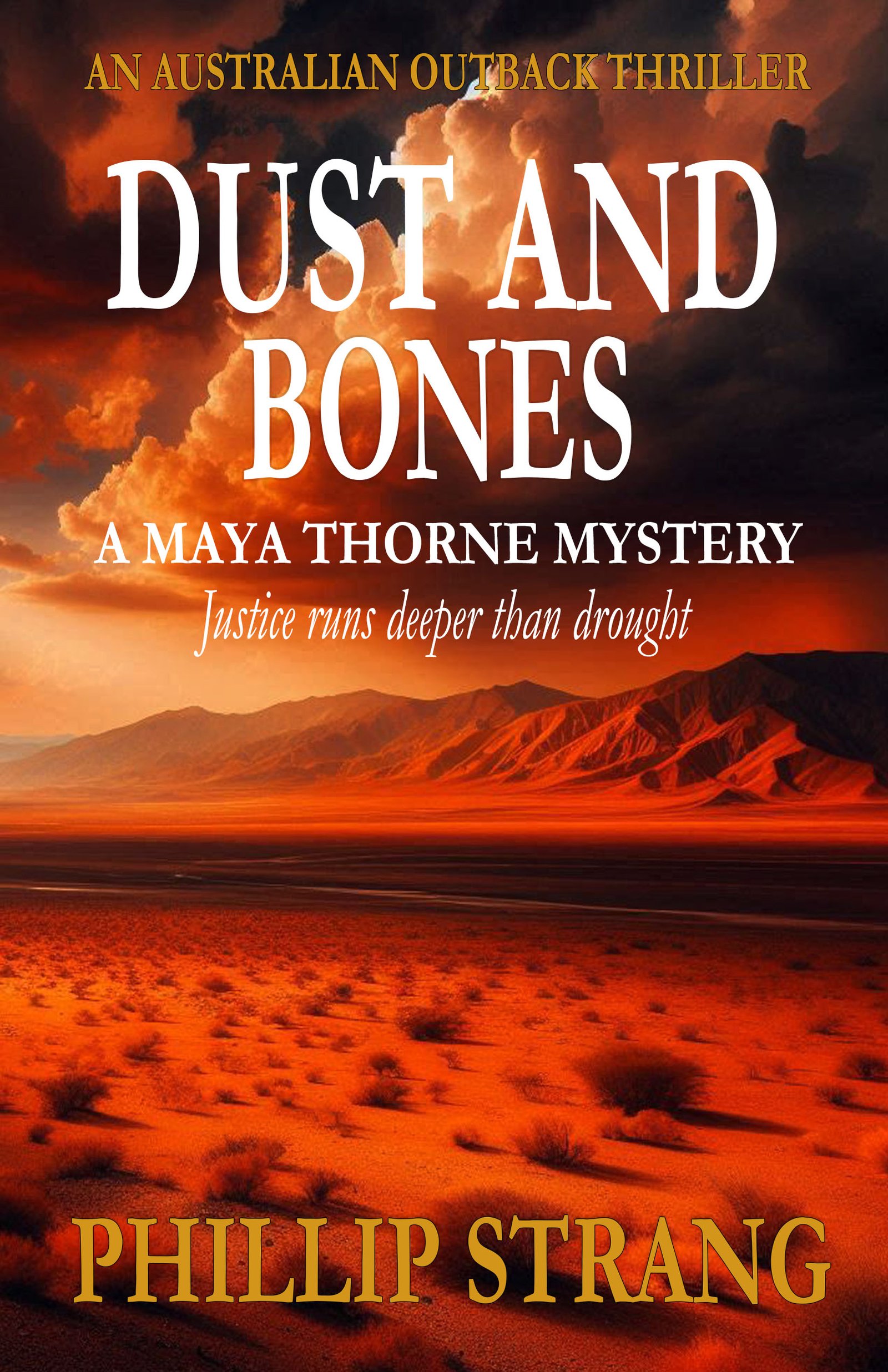
A MAYA THORNE MYSTERY
Get Dust and Bones Free
Justice runs deeper than drought.
Red dust. Shallow graves. A detective who hunts killers where the law runs thin and the nearest help is two hundred miles away.
Send Me the BookYou'll also receive occasional new release emails. Unsubscribe anytime. No spam, ever.
As an Amazon Associate, Phillip Strang earns from qualifying purchases. This page contains affiliate links — buying through them costs you nothing extra.