
Fishing communities offer crime writers something precious: natural isolation wrapped around ancient secrets. The closed nature of these maritime societies, where everyone knows everyone’s business yet somehow nobody sees anything, creates the perfect pressure cooker for criminal acts.
Across eighteen series and more than 150 novels, I’ve learned that the most compelling crime fiction emerges from settings where the environment itself becomes a character—and few environments are as naturally dramatic as communities built around the sea.
The Architecture of Secrets in Coastal Communities
Fishing villages operate on unwritten rules that predate any legal system. These communities understand omertà without ever calling it that. When a body washes up on the rocks, the first instinct isn’t to call the police—it’s to wonder what the deceased might have done to deserve their fate. This creates immediate narrative tension because your detective isn’t just solving a crime; they’re penetrating a wall of cultural silence.
The physical geography reinforces this insularity. Fishing communities typically occupy peninsulas, islands, or remote coastal stretches with limited access points. Your killer can’t simply disappear into urban anonymity—they’re trapped in the same geographical cage as your detective. This constraint forces both characters into closer proximity, escalating the psychological pressure that drives effective police procedurals.
Economic Desperation as Criminal Catalyst
Modern fishing communities face existential threats that create perfect criminal motivations. Declining fish stocks, corporate competition, and environmental regulations strangle traditional livelihoods. When a family’s fishing rights represent their only asset, murder becomes economically rational. When quotas determine survival, smuggling operations flourish.
I’ve found that the most authentic crimes in these settings stem from this economic reality. Drug running through fishing boats isn’t glamorous—it’s desperate families supplementing income from depleted waters. Land developers circling struggling harbors aren’t abstract villains—they’re vultures feeding on generational poverty. In my Maya Thorne series, I’ve explored similar dynamics in rural Australian communities where traditional industries face modern pressures.
Maritime Skills as Criminal Tools
Fishing communities possess specialized knowledge that translates directly into criminal capability. Navigation skills mean your killer knows every current, tide, and hidden cove. Boat handling expertise provides untraceable transportation. Knowledge of fish processing translates disturbingly well to body disposal. These aren’t amateur criminals fumbling with unfamiliar tools—they’re professionals applying maritime skills to criminal problems.
The equipment itself creates opportunities. Winches designed for hauling nets can move bodies. Fish holds provide temporary storage. GPS systems that track fishing grounds can navigate to disposal sites. When writing these scenes, specificity matters. Generic boat handling reads like research; authentic maritime detail reads like lived experience.
How I Approach Fishing Communities in Crime Fiction
My process begins with understanding the specific fishery. Lobster fishing operates differently from trawling, which operates differently from aquaculture. Each has distinct rhythms, equipment, and social structures. Lobster boats work individually with territorial trap lines—perfect for isolated confrontations. Trawling crews work collectively with shared profits—ideal for conspiracy plots. Salmon farming involves corporate oversight and environmental controversy—natural territory for corruption stories.
I build character backgrounds around fishing families spanning generations. Third-generation fishermen carry different psychological weight than newcomers fleeing urban problems. Old families have histories, secrets, and territorial disputes stretching back decades. These generational conflicts provide both motive and method for compelling crimes. In developing characters for settings like those explored in DI Sarah Lynch mysteries, I’ve learned that rural communities reward this depth of historical detail.
Weather becomes crucial to plotting. Storm seasons isolate communities and provide cover for criminal activity. Calm periods expose evidence and allow investigation. Tidal schedules determine when bodies appear and when boats can safely navigate. I schedule criminal events around these natural rhythms rather than forcing arbitrary timing onto maritime settings.
Common Mistakes to Avoid in Coastal Crime Writing
The biggest error is romanticizing fishing communities as quaint seaside villages populated by colorful characters speaking in dialect. Real fishing towns face economic hardship, environmental degradation, and social problems. Your detective investigating a meth lab in a defunct fish processing plant discovers authentic drama. Your detective charmed by salty sea captains sharing folksy wisdom discovers nothing useful for crime fiction.
Many writers underestimate the physical demands of fishing work. Characters who’ve spent decades hauling nets possess specific musculature, joint problems, and weather damage. A seventy-year-old fisherman might have arthritic hands but powerful shoulders. These physical realities affect how characters commit crimes, defend themselves, or pursue suspects. Similarly, don’t assume fishing communities lack modern technology. Contemporary fishing vessels carry sophisticated electronics, GPS systems, and communication equipment.
Environmental details require accuracy. Writers often confuse tidal patterns, seasonal fishing cycles, and species behavior. Spring lobster fishing doesn’t happen during winter storms. Salmon don’t spawn in tropical waters. These errors destroy credibility faster than plot holes because readers from fishing communities immediately recognize the mistakes. When incorporating maritime elements into action thriller narratives, environmental authenticity becomes even more critical.
Conclusion
Fishing communities provide crime writers with natural isolation, economic desperation, specialized criminal skills, and cultural codes of silence. These elements combine to create settings where crimes feel inevitable rather than contrived, and where solutions require understanding community dynamics rather than simple detective work.
About Phillip Strang
Phillip Strang is an Australian crime and thriller novelist. Across eighteen series and more than 150 novels, his work spans London police procedurals (DCI Isaac Cook), UK investigations (DI Tremayne), Australian outback crime (Maya Thorne), FBI thrillers (Alex Harlan), Scottish Highland mysteries (DI Sarah Lynch), and espionage (Steve Case). Learn more about Phillip or browse his complete catalogue on Amazon.
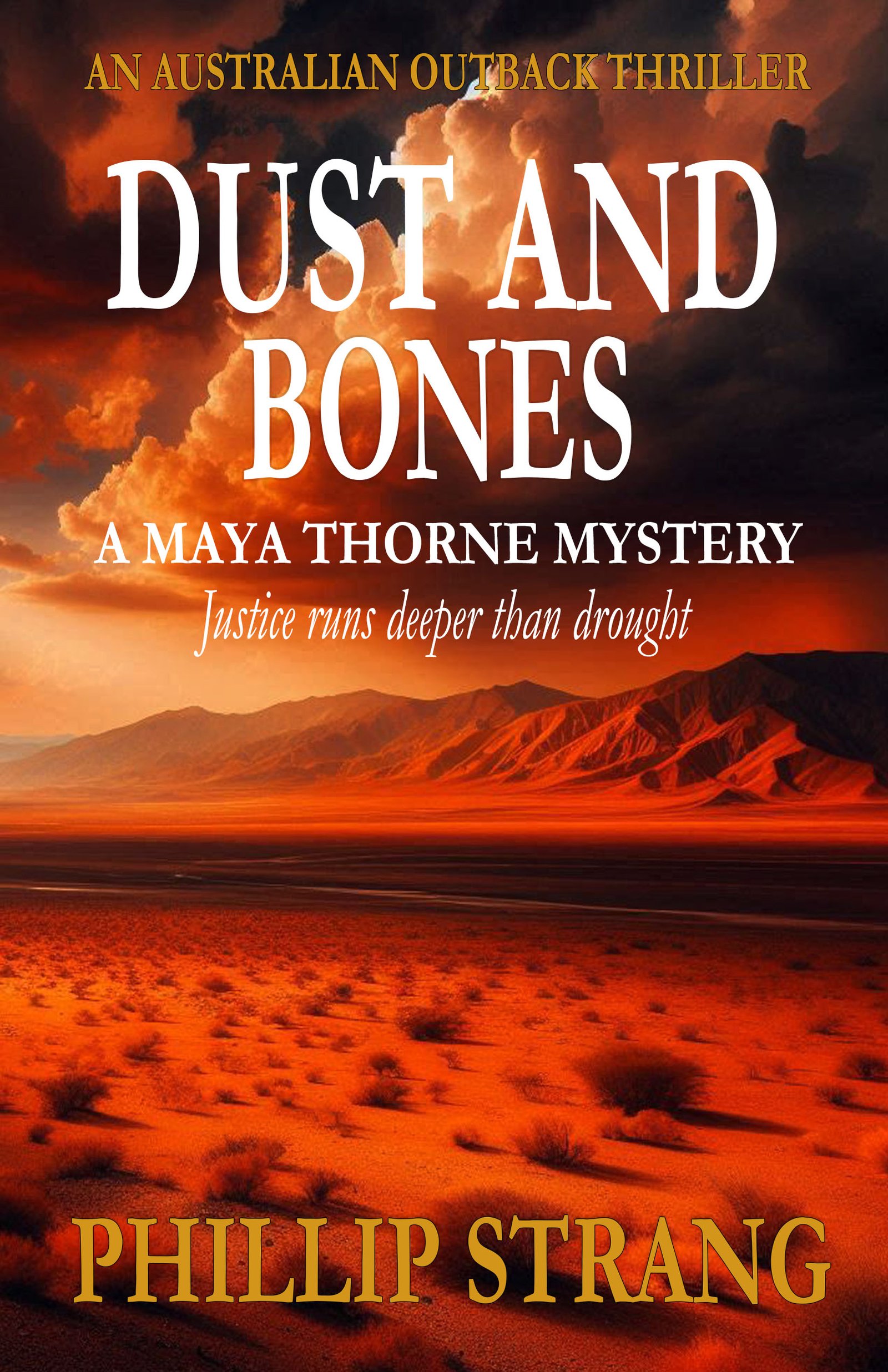
A MAYA THORNE MYSTERY
Get Dust and Bones Free
Justice runs deeper than drought.
Red dust. Shallow graves. A detective who hunts killers where the law runs thin and the nearest help is two hundred miles away.
Send Me the BookYou'll also receive occasional new release emails. Unsubscribe anytime. No spam, ever.
As an Amazon Associate, Phillip Strang earns from qualifying purchases. This page contains affiliate links — buying through them costs you nothing extra.