
Writing Hebrides Crime Fiction: Remote Islands presents opportunities that mainland settings simply cannot match. The geographical isolation creates natural boundaries that transform every investigation into a pressure cooker, where suspects cannot flee and secrets have nowhere to hide.
Across eighteen series and more than 150 novels, I have found that island settings demand a fundamentally different approach to pacing, character development, and plot mechanics than their urban counterparts.
The Inescapable Geography of Guilt
Islands function as natural locked rooms. Unlike city-based crime fiction where suspects can disappear into crowds or flee across borders, the Hebrides impose absolute containment. Ferry schedules become plot devices. Weather conditions determine whether anyone leaves or arrives. This geographical constraint forces writers to dig deeper into character motivation rather than relying on chase sequences or elaborate manhunts.
The key lies in embracing these limitations as strengths. When I developed the DI Sarah Lynch series set in the Scottish Highlands, I discovered that removing easy escape routes intensifies every confrontation. Characters must face consequences rather than running from them.
Weather becomes a character itself. Storms that cut off communication, fog that conceals movement, tides that reveal or hide evidence—these elements operate beyond human control, adding layers of tension that feel organic rather than contrived.
Community Dynamics Under the Microscope
Small island communities possess unique social dynamics that crime writers can exploit for maximum dramatic effect. Everyone knows everyone, yet secrets persist across generations. The postmaster knows who receives mysterious letters, the pub owner overhears conversations, the ferryman notices who travels when.
This interconnectedness creates multiple entry points for investigation while simultaneously generating obstacles. Witnesses may refuse to speak against neighbors they have known for decades. Local loyalties can override civic duty. The investigating officer becomes an outsider disrupting a delicate ecosystem.
The challenge lies in avoiding cliché while respecting authentic community structures. Real island life involves practical cooperation—people depend on each other for survival. This dependency creates complex relationships that pure antagonism cannot capture.
How I Approach Remote Island Crime Writing
My method begins with mapping physical and social geography before plotting the crime itself. I study ferry schedules, weather patterns, communication systems, and economic dependencies. These practical elements determine what crimes are possible and how investigations must unfold.
Character relationships require genealogical thinking. In small communities, family connections span multiple generations, creating webs of obligation, resentment, and shared history. A current murder might stem from events decades past, with the island’s collective memory serving as both resource and impediment.
I avoid romanticizing isolation. Remote living involves genuine hardships—limited medical care, economic challenges, social tensions from proximity. These realities provide authentic conflict without requiring exotic plot devices. When writing Maya Thorne in remote Australian settings, similar principles apply—harsh environments reveal character under pressure.
Dialog must reflect local speech patterns without becoming pastiche. I focus on rhythm and vocabulary choices rather than phonetic spelling, which often reads as condescending. Characters should sound authentic without requiring translation.
Avoiding Common Pitfalls in Hebrides Crime Fiction: Remote Islands
The most frequent mistake involves treating islands as quaint backdrops rather than integral plot elements. Writers sometimes impose urban crime patterns onto remote settings, creating jarring incongruities. Serial killers require victim populations that small islands cannot sustain. Elaborate criminal organizations need infrastructure that isolation prevents.
Another error involves oversimplifying community dynamics. Not everyone knows everything about their neighbors, despite proximity. People maintain privacy even in small places. Assuming universal awareness creates plots that collapse under scrutiny.
Outsider investigators often become problematic when written as completely ignorant of local customs. While metropolitan detectives may struggle with island life, they should possess enough intelligence to adapt quickly. Incompetence masquerading as cultural clash reads as authorial laziness.
Weather should enhance rather than dominate plot development. Constant storms become tedious; perpetual fog obscures story rather than revealing it. Natural elements work best when they arrive at moments of maximum dramatic impact, not as continuous obstacles.
Many writers also underestimate the practical challenges of remote investigation. Communication difficulties, transportation limitations, and resource constraints should shape procedural elements naturally. These aspects differentiate island crime fiction from best police procedural novels set in major cities.
The Psychological Landscape of Isolation
Island living affects mental states in ways that crime writers can exploit for psychological depth. Seasonal isolation, limited social options, and economic uncertainty create specific stress patterns. Characters may exhibit behaviors that seem irrational to outsiders but make perfect sense within their constrained environment.
The relationship between residents and visitors provides rich material for conflict development. Tourism brings economic opportunity alongside cultural tension. Seasonal populations shift community dynamics dramatically. Property ownership by absent landlords creates resentment that can fuel criminal motivation.
Historical grievances carry extra weight in communities where families cannot simply relocate. Past injustices persist across generations, creating long-term conflicts that mainland communities might resolve through separation. This historical dimension adds depth to contemporary crimes while avoiding the tired device of ancient curses or supernatural explanations.
Mental health challenges deserve careful handling. Remote locations can exacerbate psychological conditions through isolation and limited treatment options. Writers should approach these themes with sensitivity while recognizing their legitimate role in criminal behavior. The goal remains authentic character development rather than sensational exploitation.
Conclusion
Remote island settings offer crime writers unique advantages when approached with respect for their authentic complexities. The key lies in allowing geographical and social constraints to drive plot development rather than imposing artificial conflicts onto genuine communities.
About Phillip Strang
Phillip Strang is an Australian crime and thriller novelist. Across eighteen series and more than 150 novels, his work spans London police procedurals (DCI Isaac Cook), UK investigations (DI Tremayne), Australian outback crime (Maya Thorne), FBI thrillers (Alex Harlan), Scottish Highland mysteries (DI Sarah Lynch), and espionage (Steve Case). Learn more about Phillip or browse his complete catalogue on Amazon.
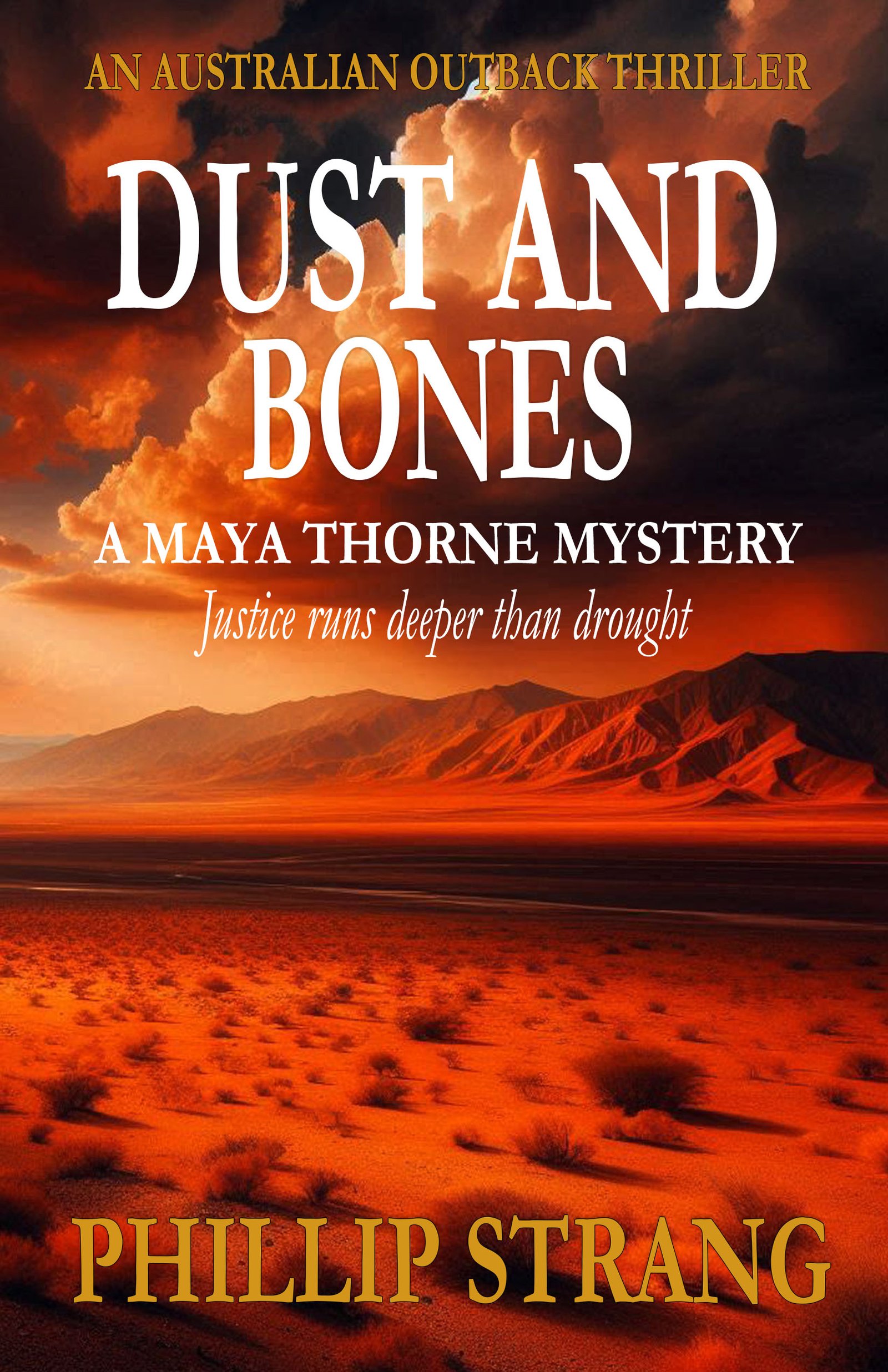
A MAYA THORNE MYSTERY
Get Dust and Bones Free
Justice runs deeper than drought.
Red dust. Shallow graves. A detective who hunts killers where the law runs thin and the nearest help is two hundred miles away.
Send Me the BookYou'll also receive occasional new release emails. Unsubscribe anytime. No spam, ever.
As an Amazon Associate, Phillip Strang earns from qualifying purchases. This page contains affiliate links — buying through them costs you nothing extra.