
Getting the procedural details right can make or break a crime novel, yet many authors rely on television dramas or outdated research instead of going directly to the source. The difference between authentic expertise and Hollywood fiction becomes glaringly obvious to readers who know the territory, particularly those working within police forces, medical fields, or legal systems.
Across eighteen series and more than 150 novels, I have found that building genuine relationships with experts transforms not just the accuracy of your work, but often provides the unexpected details that elevate a good crime novel into something memorable. The key lies not in extracting information like a journalist on deadline, but in approaching these conversations as collaborative exchanges with professionals who often have fascinating stories of their own.
Identifying the Right Experts for Your Story
The first mistake most authors make is approaching the wrong level of expertise for their needs. If you are writing about a murder investigation, you do not need to interview the Chief Commissioner; you need the detective sergeant who has actually processed crime scenes and conducted interviews with suspects. When I was developing the forensic elements for my DCI Isaac Cook series, I found far more valuable insights from crime scene technicians than from senior pathologists who had moved into administrative roles years earlier.
Medical experts present particular challenges because the field is so specialized. A general practitioner cannot provide the detailed knowledge you need about forensic pathology, just as a cardiac surgeon may know little about toxicology. I learned this lesson when researching a poisoning subplot and discovered that even experienced doctors often refer to reference materials for drug interactions and symptoms outside their immediate specialty. The pathologist who performs the autopsy, the toxicologist who analyzes the samples, and the emergency room physician who first treats the victim each bring completely different perspectives to the same death.
Legal expertise requires similar precision. Criminal defense attorneys understand different aspects of the system than prosecutors, and both operate in a different world from forensic accountants or family court judges. For courtroom scenes, I have found that court clerks and bailiffs often provide more practical insights about daily procedures than the lawyers who are focused on legal strategy.
My Approach to Expert Outreach
I always begin with a clear, honest email that explains exactly what I am working on and what specific information I need. Generic requests for help with a crime novel get ignored; specific questions about evidence collection procedures or autopsy protocols get responses. I mention my publishing credentials not to impress, but to demonstrate that this is professional work that will reach readers, which often motivates experts who want their fields represented accurately.
The timing of your approach matters enormously. Contacting a homicide detective during a high-profile case investigation is futile. I have learned to be flexible about scheduling and to respect that their real work always takes priority over my fictional scenarios. When developing the Australian outback crime elements for my Maya Thorne series, I discovered that rural police officers are often more accessible than their urban counterparts, but their availability fluctuates dramatically based on seasonal crime patterns and staffing rotations.
I always offer to meet on their terms, whether that means visiting a morgue, touring a police station, or sitting in a courthouse cafeteria during their lunch break. The environment where they work daily often sparks conversations about details you never thought to ask about. The smell of a morgue, the sound of radio chatter in a patrol car, or the way lawyers cluster in courthouse corridors all contribute authenticity that cannot be gleaned from phone interviews.
Building Productive Relationships
The most valuable expert relationships develop over multiple conversations rather than single interviews. I maintain contact with several retired police officers, a forensic pathologist, and two criminal attorneys who have become informal consultants for ongoing series. These relationships work because I respect their time, acknowledge their expertise in my books when appropriate, and never abuse their willingness to help by making excessive demands.
Retired professionals often prove more valuable than active practitioners because they have time to reflect on patterns across their careers and feel freer to discuss controversial or politically sensitive topics. A retired detective can tell stories about procedural shortcuts or interdepartmental conflicts that a serving officer cannot discuss. However, retirees may not know current technology or recent changes in protocols, so you need both perspectives for contemporary settings.
I have found that experts appreciate authors who ask follow-up questions and demonstrate genuine interest in understanding their work correctly. When I sent a forensic pathologist early drafts of autopsy scenes from my thriller series, her detailed corrections led to a continuing dialogue that improved not just that book, but my approach to medical elements in subsequent novels. These professionals take pride in their expertise and often enjoy the opportunity to educate someone who will use that knowledge thoughtfully.
What Not to Do: Common Mistakes That Damage Relationships
Never begin an expert interview by explaining how television shows handle the topic you are asking about. This immediately signals that you have absorbed inaccurate information and may not be serious about getting things right. I once watched a fellow author lose credibility with a pathologist by referencing CSI techniques that have no basis in real forensic work.
Avoid asking experts to read your entire manuscript unless they specifically offer. They have agreed to share their professional knowledge, not provide free editing services. I limit my requests to specific scenes or chapters that directly involve their expertise. Similarly, do not expect them to fact-check your entire series or serve as ongoing consultants without compensation.
The worst mistake is arguing with expert advice because it conflicts with your plot requirements. If a forensic expert tells you that your murder method would not produce the evidence you need for your detective to solve the case, adjust your plot rather than insisting the expert is wrong. I have rewritten entire chapters when technical advice revealed flaws in my original conception, and the revised versions were invariably stronger.
Never promise experts that you will send them a copy of the finished book and then fail to follow through. This professional discourtesy damages relationships and makes these individuals less likely to help other authors in the future. I maintain a list of everyone who has provided assistance and ensure they receive advance copies along with personalized acknowledgments.
Maximizing the Value of Expert Knowledge
The best expert interviews reveal not just factual information, but the emotional and psychological realities of working in high-stress professions. When I interviewed police officers for procedural details, I discovered that the bureaucratic frustrations often weigh more heavily than the physical dangers. This insight shaped character development across multiple series, particularly in my police procedural novels where the institutional politics became as important as the criminal investigations.
Technical accuracy serves the larger goal of emotional authenticity. Readers who work in law enforcement or medical fields will notice when you get the details right, but more importantly, accurate procedures support believable character reactions and realistic plot developments. When forensic evidence processing takes weeks rather than hours, your detective must find other investigative approaches, which creates more interesting story complications than magical laboratory results.
I always ask experts about the most common misconceptions people have about their work. These conversations often reveal compelling story elements that exist in the gap between public perception and professional reality. The forensic pathologist who explained how rarely cause of death is immediately obvious provided plot foundations for several novels where initial assumptions prove completely wrong.
Document everything meticulously, not just the technical information but the context and reasoning behind procedures. Understanding why police follow specific protocols helps you write scenes where characters must choose between proper procedure and urgent circumstances. These moments of professional conflict often provide the most dramatic tension in action thriller novels.
Conclusion
Expert interviews represent an investment in long-term credibility that pays dividends across multiple books and series. The professionals who take time to share their knowledge deserve authors who use that information thoughtfully and accurately, creating crime fiction that respects both the expertise of real practitioners and the intelligence of readers who expect authentic procedural details.
About Phillip Strang
Phillip Strang is an Australian crime and thriller novelist. Across eighteen series and more than 150 novels, his work spans London police procedurals (DCI Isaac Cook), UK investigations (DI Tremayne), Australian outback crime (Maya Thorne), FBI thrillers (Alex Harlan), Scottish Highland mysteries (DI Sarah Lynch), and espionage (Steve Case). Learn more about Phillip or browse his complete catalogue on Amazon.
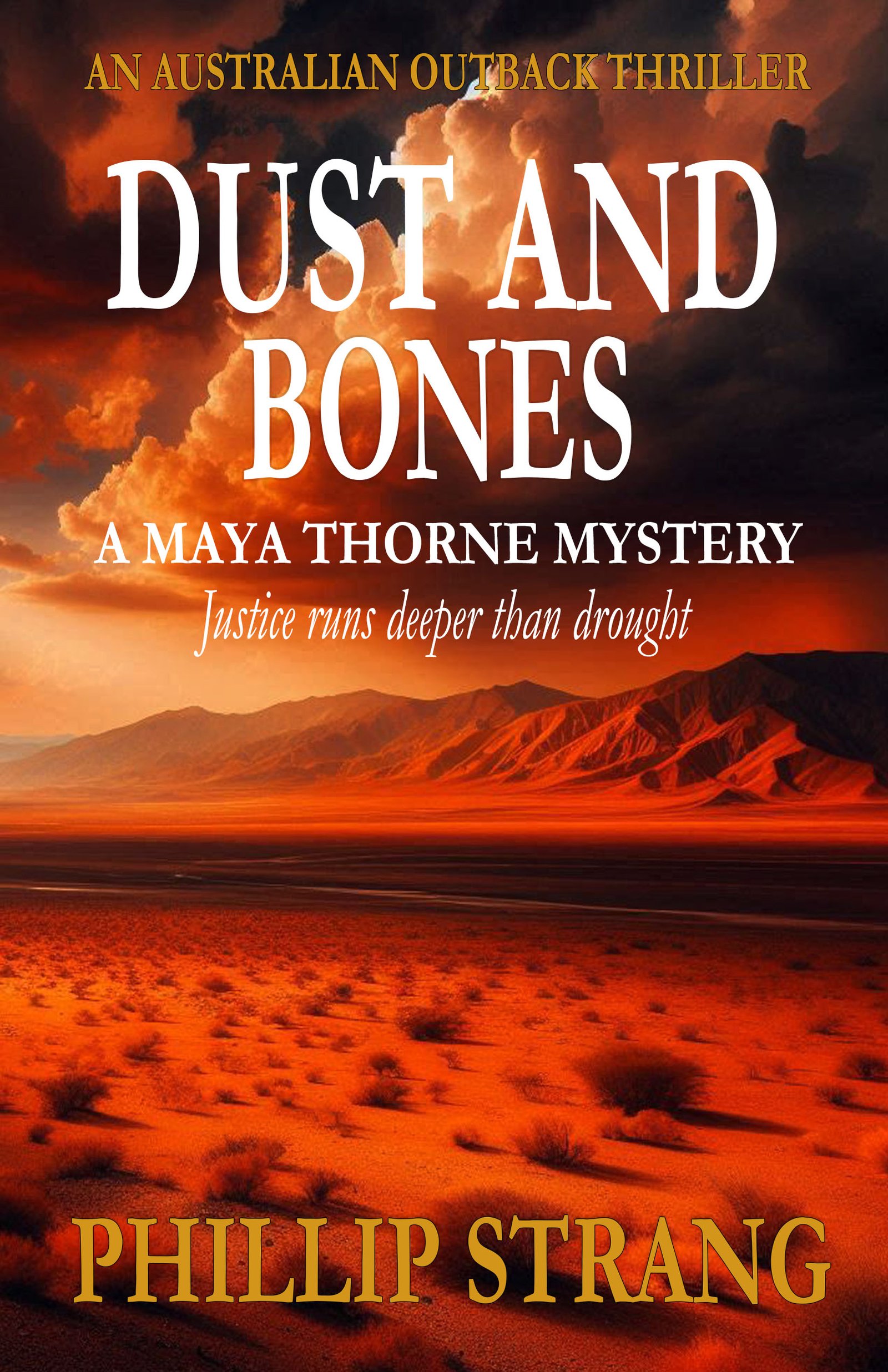
A MAYA THORNE MYSTERY
Get Dust and Bones Free
Justice runs deeper than drought.
Red dust. Shallow graves. A detective who hunts killers where the law runs thin and the nearest help is two hundred miles away.
Send Me the BookYou'll also receive occasional new release emails. Unsubscribe anytime. No spam, ever.
As an Amazon Associate, Phillip Strang earns from qualifying purchases. This page contains affiliate links — buying through them costs you nothing extra.