
Kindle Unlimited presents crime writers with a deceptively simple proposition: trade per-unit sales revenue for page-read payments and potential reader discovery. Yet this decision fundamentally alters how your crime fiction reaches audiences and generates income.
Across eighteen series and more than 150 novels, I have found that the Kindle Unlimited question forces crime writers to confront uncomfortable truths about reader behaviour, series economics, and the long-term sustainability of building a thriller writing career in today’s market.
The Revenue Reality Check
Page reads through Kindle Unlimited typically generate between $0.004 and $0.005 per page, meaning a 300-page crime novel earns roughly $1.20 to $1.50 per complete read-through. Compare this to a $4.99 thriller sold outright, where you pocket $3.49 at 70% royalty. The mathematics seem brutal until you consider volume and discoverability factors.
My DCI Isaac Cook series taught me that Kindle Unlimited readers consume series differently than purchasers. They binge-read, moving rapidly through multiple books when hooked. A reader discovering book one might devour books two through eight within weeks, generating cumulative page-read revenue that exceeds what you would have earned from their purchasing a single title. However, this assumes your series maintains quality and hooks across multiple volumes.
The challenge lies in reader completion rates. Crime novels with weak openings or sagging middles see readers abandon at the 30-40% mark, devastating your per-reader revenue. Unlike purchased books, where payment occurs upfront regardless of reader completion, Kindle Unlimited ruthlessly rewards sustained engagement throughout the entire narrative.
Series Economics and Reader Acquisition
Kindle Unlimited fundamentally favours series crime fiction over standalone novels. Subscribers seeking entertainment value gravitate toward multi-book offerings, making police procedurals and detective series particularly well-suited to the platform. The subscription model encourages readers to sample new authors without financial risk, potentially expanding your audience beyond traditional purchasing patterns.
When I moved my Steve Case espionage titles into Kindle Unlimited, I observed reader acquisition patterns impossible through direct sales alone. Subscribers discovered the series through keyword searches and recommendation algorithms, then consumed multiple books rapidly. This created a virtuous cycle where increased page reads improved algorithmic visibility, attracting additional readers.
However, series dependency cuts both ways. Readers expect regular releases within Kindle Unlimited, pressuring authors toward faster publication schedules. The platform rewards prolific output, sometimes at the expense of careful plotting and character development that distinguishes exceptional police procedural novels from formulaic content mills.
How I Actually Approach the KU Decision
My practical approach involves strategic series allocation rather than all-or-nothing commitment. I evaluate each series based on reader behaviour, narrative structure, and revenue potential. Series with strong hooks, episodic elements, and broad appeal work well in Kindle Unlimited. Complex, literary crime fiction often performs better through direct sales.
For new series launches, I increasingly use Kindle Unlimited as a discovery mechanism for the first 2-3 books, then evaluate performance metrics before committing additional titles. This allows me to capture the platform’s discovery benefits while maintaining flexibility for future business decisions.
I track specific metrics: pages read per enrolled book, read-through rates between series installments, and comparative revenue per reader versus direct sales. These numbers inform enrollment decisions more than theoretical calculations or industry speculation. Each series presents unique economics based on length, pacing, and target audience preferences.
The administrative reality also matters. Kindle Unlimited requires 90-day exclusivity periods, preventing sales through other retailers during enrollment. This impacts authors with established audiences on alternative platforms or those pursuing wide distribution strategies.
Common Mistakes That Destroy KU Potential
Many crime writers approach Kindle Unlimited with direct-sales thinking, creating fundamental strategic errors. Publishing standalone novels assumes readers want single-serving entertainment, but KU subscribers often seek ongoing series relationships. A brilliant standalone thriller might generate modest page reads while a competent but series-focused police procedural builds substantial readership.
Another critical error involves pacing assumptions. Crime writers often front-load exposition and background, assuming readers have made purchase commitments. Kindle Unlimited readers abandon books within chapters if not immediately engaged. This demands tighter opening chapters and more frequent tension beats than traditional publishing might require.
Writers also underestimate the importance of series branding within Kindle Unlimited. Subscribers browse rapidly through numerous options, making cover consistency and clear series identification crucial. My Maya Thorne series performs better in KU partly because covers immediately signal Australian outback crime, helping readers understand what they are sampling.
The most damaging mistake involves treating page reads as passive income. Kindle Unlimited success requires active series management, regular releases, and continuous audience engagement. Writers expecting automatic revenue from backlist titles often find disappointing results.
Long-term Career Implications
Kindle Unlimited creates reader relationships fundamentally different from traditional sales models. Subscribers develop loyalty to authors who consistently deliver engaging series content, but this loyalty remains platform-dependent. Building career sustainability requires understanding these relationship dynamics.
The platform encourages rapid consumption and frequent releases, potentially conflicting with the careful plotting and character development that creates lasting espionage thrillers or memorable detective series. Writers must balance platform demands against long-term reputation building.
Consider your ultimate career objectives. Authors seeking traditional publishing contracts might find Kindle Unlimited success demonstrates audience appeal but complicates rights discussions. Those building independent careers might discover KU provides sustainable income streams but limits pricing flexibility and market diversification.
The subscription model also influences reader expectations about pricing and availability. KU-trained audiences sometimes resist purchasing books directly, expecting immediate access through subscription services. This shapes market dynamics beyond individual author decisions.
Conclusion
Kindle Unlimited works best for crime writers with series-focused strategies, strong opening chapters, and commitment to regular publication schedules. The platform offers genuine discovery benefits and can generate substantial revenue, but requires different approaches than traditional publishing models.
About Phillip Strang
Phillip Strang is an Australian crime and thriller novelist. Across eighteen series and more than 150 novels, his work spans London police procedurals (DCI Isaac Cook), UK investigations (DI Tremayne), Australian outback crime (Maya Thorne), FBI thrillers (Alex Harlan), Scottish Highland mysteries (DI Sarah Lynch), and espionage (Steve Case). Learn more about Phillip or browse his complete catalogue on Amazon.
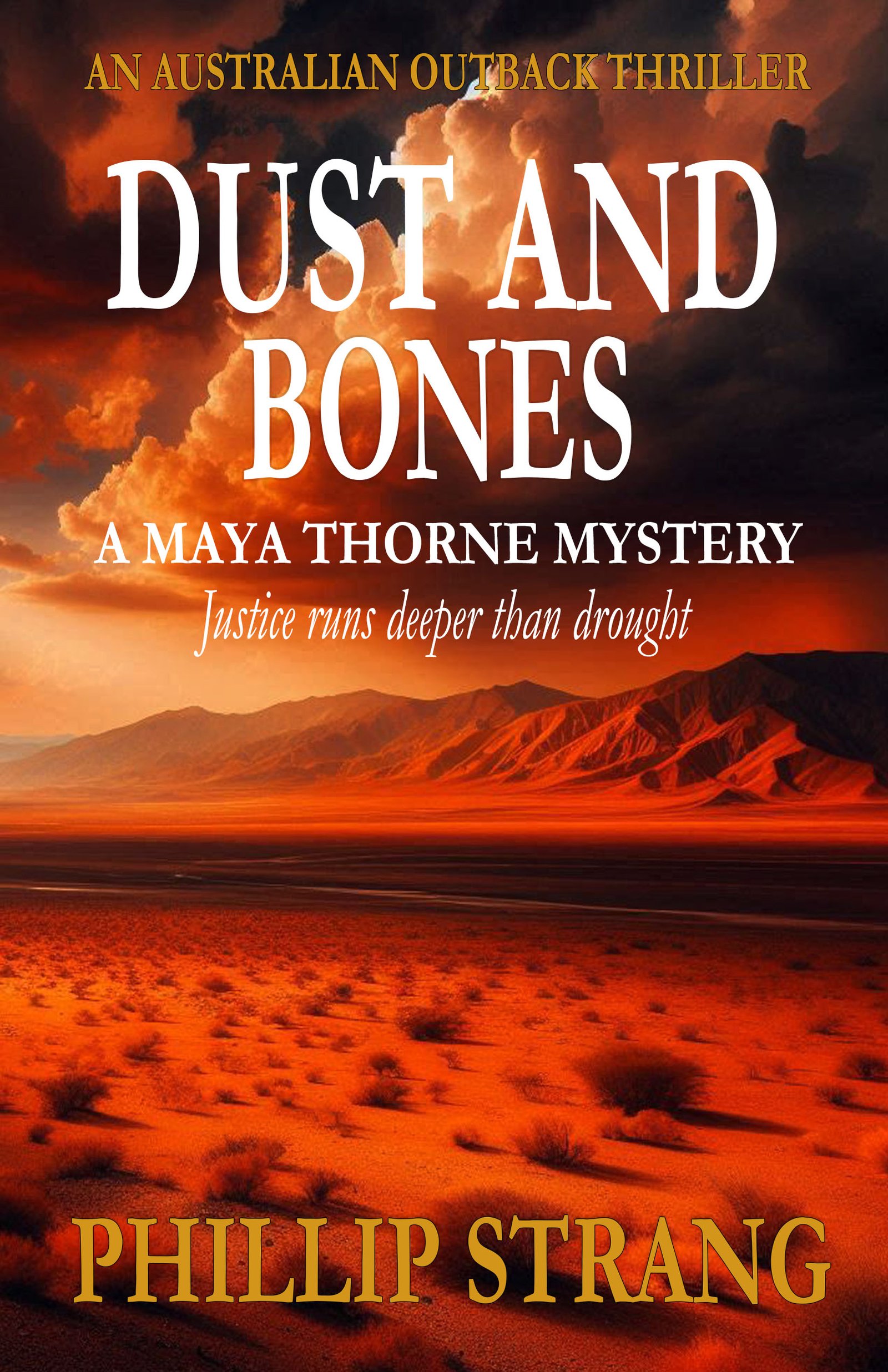
A MAYA THORNE MYSTERY
Get Dust and Bones Free
Justice runs deeper than drought.
Red dust. Shallow graves. A detective who hunts killers where the law runs thin and the nearest help is two hundred miles away.
Send Me the BookYou'll also receive occasional new release emails. Unsubscribe anytime. No spam, ever.
As an Amazon Associate, Phillip Strang earns from qualifying purchases. This page contains affiliate links — buying through them costs you nothing extra.