
Lake District Crime Fiction benefits from one of England’s most psychologically complex landscapes. The juxtaposition of serene beauty with hidden darkness creates natural tension that drives compelling narratives without forcing melodrama.
Across eighteen series and more than 150 novels, I’ve learned that setting isn’t decoration—it’s a character that shapes every decision your protagonists make. The Lake District offers writers something rare: a location that amplifies both isolation and claustrophobia while maintaining visual beauty that masks underlying menace.
The Geography of Secrets
The Lake District’s topography creates natural story architecture. Valleys funnel characters into confined spaces where confrontation becomes inevitable, while the fells provide elevated perspectives that reveal hidden connections. I’ve used similar geographical constraints in my DI Sarah Lynch series, where the Scottish Highlands serve a comparable function—the landscape forces characters into proximity while offering endless places to hide bodies, evidence, or secrets.
Writers often underestimate how physical geography shapes psychological tension. In the Lake District, characters can’t simply disappear into urban anonymity. Everyone knows everyone, yet the terrain offers countless hidden spots where dark deeds unfold. This creates a perfect paradox: public lives lived under constant observation alongside private spaces where anything might happen.
Weather as Narrative Engine
Lake District weather isn’t just atmospheric window dressing—it’s a plot device. Sudden mists isolate characters, forcing them into situations they’d normally avoid. Heavy rains wash away evidence while creating urgent time pressures. Snow blocks escape routes, trapping killers with their victims or detectives with suspects.
I learned this lesson early when writing scenes that relied too heavily on coincidence to move the plot forward. Weather eliminates coincidence by creating logical reasons for characters to be stranded together, for communication to fail, or for evidence to vanish. The key is using weather proactively rather than reactively—plan how meteorological conditions will serve your story before you need them to solve plot problems.
Lake District Crime Fiction and Community Dynamics
Small Lake District communities operate on unwritten rules that create natural conflict for crime writers. Newcomers disrupt established hierarchies, while longtime residents harbor generational grievances. Tourism adds another layer—seasonal populations that change community dynamics while bringing fresh victims or suspects into established social networks.
The most effective police procedural novels exploit these community tensions rather than ignoring them. Your detective isn’t just solving crimes; they’re navigating social structures where everyone has multiple relationships with everyone else. The pub landlord might be the victim’s brother-in-law and the suspect’s creditor. These interconnections create organic obstacles that feel authentic rather than contrived.
Avoiding Lake District Clichés
Too many writers fall into predictable Lake District tropes: the brooding detective who moved to the countryside to escape urban trauma, the quaint village hiding dark secrets, or the wealthy landowner as automatic villain. These elements aren’t wrong, but they’re overused shortcuts that replace genuine character development with familiar archetypes.
The bigger mistake is treating the Lake District as generically rural. Each valley has distinct characteristics, different social dynamics, varying relationships between locals and tourists. Windermere operates differently from Buttermere. Keswick has different rhythms than Grasmere. Research specific locations rather than defaulting to vague pastoral imagery. When I developed the Maya Thorne series set in the Australian outback, I spent considerable time understanding how different regions within that vast landscape created different story possibilities.
My Approach to Regional Crime Writing
I start with maps, not characters. Physical geography determines what’s possible in your story world—how quickly help can arrive, where bodies might be hidden, which routes offer escape or entrapment. Then I layer in economic geography: who owns what, where money flows, which businesses succeed or struggle. Tourism, farming, local services—each creates different criminal opportunities and investigative challenges.
Character development follows geographic understanding. Your Lake District detective needs specific local knowledge, but more importantly, they need relationships that make sense within the community structure you’ve established. I avoid the outsider detective trope because it wastes the location’s strongest asset—the web of connections that make rural crime personally devastating rather than merely professional.
The most successful character driven novels in regional settings use location to reveal character rather than simply housing them. How does someone navigate Lake District social expectations? What compromises do they make to maintain community standing? How do they balance personal loyalty with professional duty?
Conclusion
Lake District Crime Fiction succeeds when writers treat the landscape as an active story element rather than passive scenery. The region’s unique combination of beauty, isolation, and tight-knit communities creates natural story tensions that support rather than compete with your plot and character development.
About Phillip Strang
Phillip Strang is an Australian crime and thriller novelist. Across eighteen series and more than 150 novels, his work spans London police procedurals (DCI Isaac Cook), UK investigations (DI Tremayne), Australian outback crime (Maya Thorne), FBI thrillers (Alex Harlan), Scottish Highland mysteries (DI Sarah Lynch), and espionage (Steve Case). Learn more about Phillip or browse his complete catalogue on Amazon.
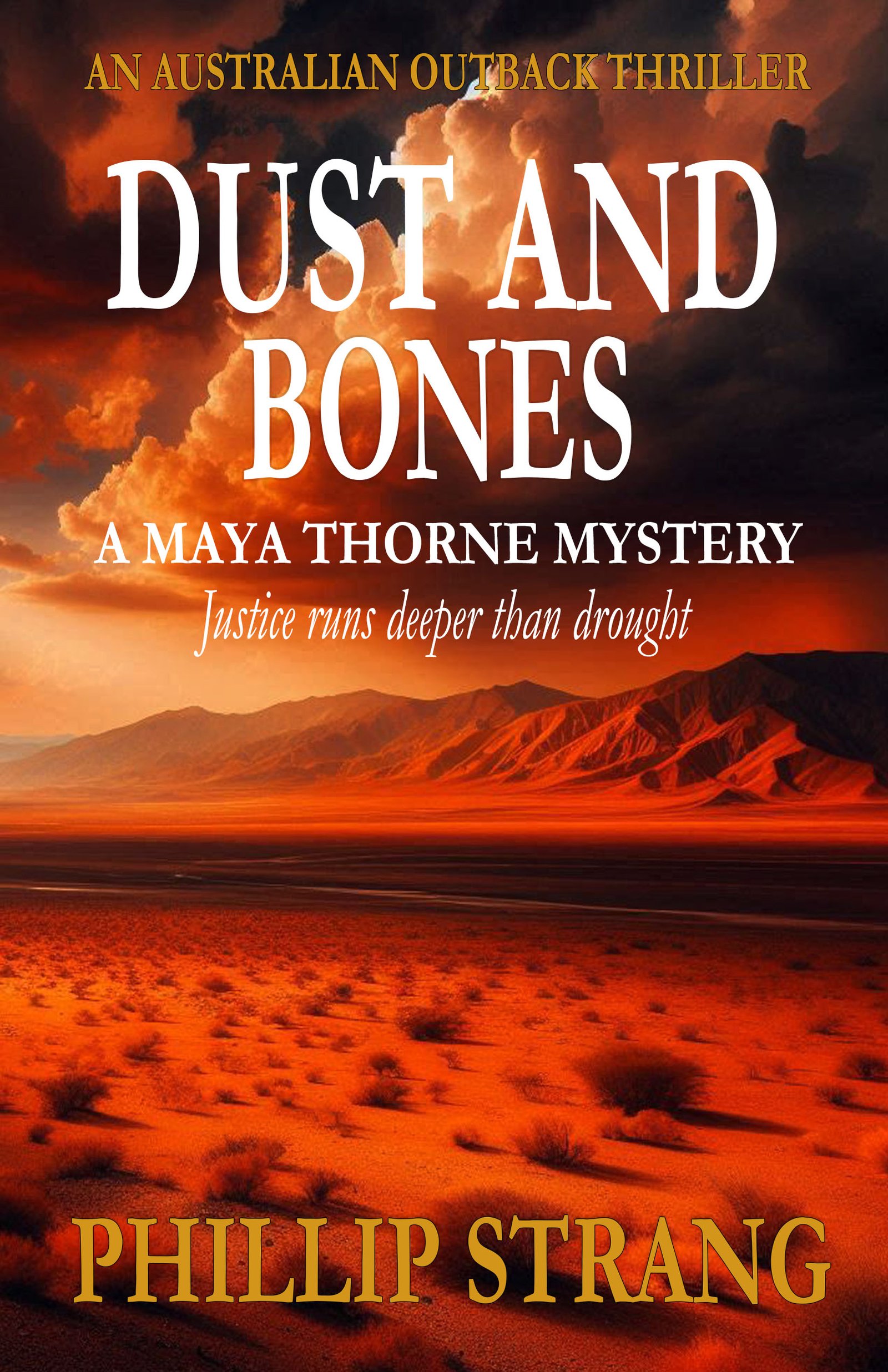
A MAYA THORNE MYSTERY
Get Dust and Bones Free
Justice runs deeper than drought.
Red dust. Shallow graves. A detective who hunts killers where the law runs thin and the nearest help is two hundred miles away.
Send Me the BookYou'll also receive occasional new release emails. Unsubscribe anytime. No spam, ever.
As an Amazon Associate, Phillip Strang earns from qualifying purchases. This page contains affiliate links — buying through them costs you nothing extra.