
Legal thriller conventions present a unique challenge for crime writers because they demand authentic procedural knowledge while maintaining the relentless pace that keeps readers turning pages. The courtroom becomes both stage and battleground, where legal procedure must serve dramatic purpose without sacrificing credibility. Unlike straightforward police procedurals, legal thrillers require writers to navigate the intricate dance between legal authenticity and narrative momentum.
Across eighteen series and more than 150 novels, I have found that successful legal thrillers hinge on understanding how courtroom procedure can amplify rather than stifle dramatic tension. The key lies in recognising that legal conventions are not obstacles to overcome but tools to exploit for maximum narrative impact.
Procedure as Plot Engine
Legal procedure, when properly handled, becomes the skeleton upon which dramatic flesh hangs. The rules of evidence, witness examination protocols, and courtroom hierarchy create natural constraints that force both characters and plot into heightened tension. Every objection becomes a small victory or defeat, every procedural ruling shifts the balance of power.
The mistake many writers make is treating procedure as window dressing rather than plot mechanism. Real courtroom drama emerges from how characters navigate procedural limitations. A brilliant lawyer finding a way to introduce damaging evidence despite procedural obstacles creates far more tension than simply ignoring the rules. The procedure becomes the puzzle that characters must solve, adding an intellectual layer to the emotional stakes.
I learned this lesson while developing characters who operate within legal frameworks in my DCI Isaac Cook series. Even though these are police procedurals, the courtroom scenes required understanding how evidence gathered during investigation would play out in legal proceedings. The anticipation of legal scrutiny shapes how the investigation unfolds, creating procedural tension that serves the larger narrative.
Dramatic Timing Within Legal Framework
Courtroom drama operates on different timing principles than action thrillers, but the underlying rhythm remains crucial. Legal proceedings have natural beats—opening statements, witness examination, cross-examination, closing arguments—that create a framework for dramatic escalation. The challenge is using these formal structures to build rather than dissipate tension.
Effective legal thriller pacing exploits the stop-start nature of courtroom procedure. Objections interrupt crucial testimony at precisely the moment when revelation seems imminent. Lunch breaks occur when one side has gained momentum, allowing the opposition time to regroup. These procedural interruptions, rather than slowing the narrative, can heighten anticipation if properly deployed.
The key is understanding that courtroom time moves differently than narrative time. A single day of testimony might span several chapters, while weeks of preparation can be condensed into transitional paragraphs. The writer must compress or expand courtroom time based on dramatic need, not chronological accuracy. What matters is maintaining the sense of building pressure toward verdict, using procedural beats to create rhythmic tension.
Character Dynamics in Legal Settings
Legal thriller conventions demand specific character archetypes—the brilliant defence attorney, the ruthless prosecutor, the intimidating judge—but these roles must be inhabited by complex individuals rather than procedural puppets. The formal hierarchy of the courtroom creates natural conflict opportunities that extend beyond simple adversarial relationships.
The most compelling courtroom characters are those who understand the system well enough to exploit its nuances while remaining recognisably human. A defence lawyer who uses procedural knowledge to protect a client they suspect might be guilty faces internal conflict that drives character development. A prosecutor who discovers exculpatory evidence mid-trial confronts professional and ethical dilemmas that transcend legal procedure.
Character relationships in legal settings operate under formal constraints that create unique dramatic possibilities. Opposing lawyers who respect each other professionally while fighting fiercely in court generate tension different from simple antagonism. The formal language and behaviour required in courtroom settings can mask or reveal character motivations, depending on how skillfully the writer deploys these conventions.
My Approach to Legal Elements
When I incorporate legal elements into my crime novels, I focus on the intersection points where legal procedure meets investigative work. Rather than writing pure courtroom drama, I explore how anticipated legal scrutiny shapes investigative decisions. This approach appears in my Maya Thorne series, where outback investigations must consider how evidence will hold up under legal examination.
I research legal procedure not to achieve perfect accuracy but to understand the pressure points where procedure creates dramatic opportunity. The goal is knowing enough about legal conventions to use them convincingly while recognising that narrative requirements trump procedural perfection. Readers want authentic-feeling legal drama, not law school textbook accuracy.
My method involves identifying which procedural elements serve the story and which can be streamlined or omitted entirely. Jury selection might be dramatically irrelevant while cross-examination techniques could be central to character revelation. The key is selecting procedural details that advance plot or illuminate character while maintaining sufficient authenticity to preserve reader trust.
Common Pitfalls in Legal Thriller Writing
The most frequent mistake in legal thriller writing is allowing procedure to overwhelm narrative momentum. Writers often become so concerned with legal accuracy that they forget to maintain dramatic tension. Lengthy explanations of legal technicalities, while potentially accurate, can drain energy from crucial scenes. The reader needs to understand enough to follow the action without becoming bogged down in procedural complexity.
Another common error is treating courtroom scenes as exposition dumps where characters explain plot points through testimony. Effective legal thriller conventions use witness examination to reveal character and advance plot simultaneously. A witness who reluctantly admits damaging information creates different dramatic energy than one who simply recounts events. The procedure should illuminate character motivation while advancing the legal case, much like the investigative techniques explored in police procedural novels.
Perhaps the most damaging mistake is ignoring the emotional stakes beneath legal procedure. Courtroom drama without personal consequences becomes academic exercise. The verdict must matter to characters in ways that extend beyond professional success or failure. Legal conventions work best when they amplify existing character conflicts rather than creating artificial dramatic situations. The most compelling legal drama often mirrors techniques found in courtroom drama novels that prioritise character stakes over procedural complexity.
Conclusion
Legal thriller conventions succeed when they serve story rather than constraining it. The most effective approach treats courtroom procedure as dramatic architecture that shapes and amplifies conflict rather than limiting narrative possibilities. Understanding legal frameworks provides tools for creating tension, not obstacles to overcome.
About Phillip Strang
Phillip Strang is an Australian crime and thriller novelist. Across eighteen series and more than 150 novels, his work spans London police procedurals (DCI Isaac Cook), UK investigations (DI Tremayne), Australian outback crime (Maya Thorne), FBI thrillers (Alex Harlan), Scottish Highland mysteries (DI Sarah Lynch), and espionage (Steve Case). Learn more about Phillip or browse his complete catalogue on Amazon.
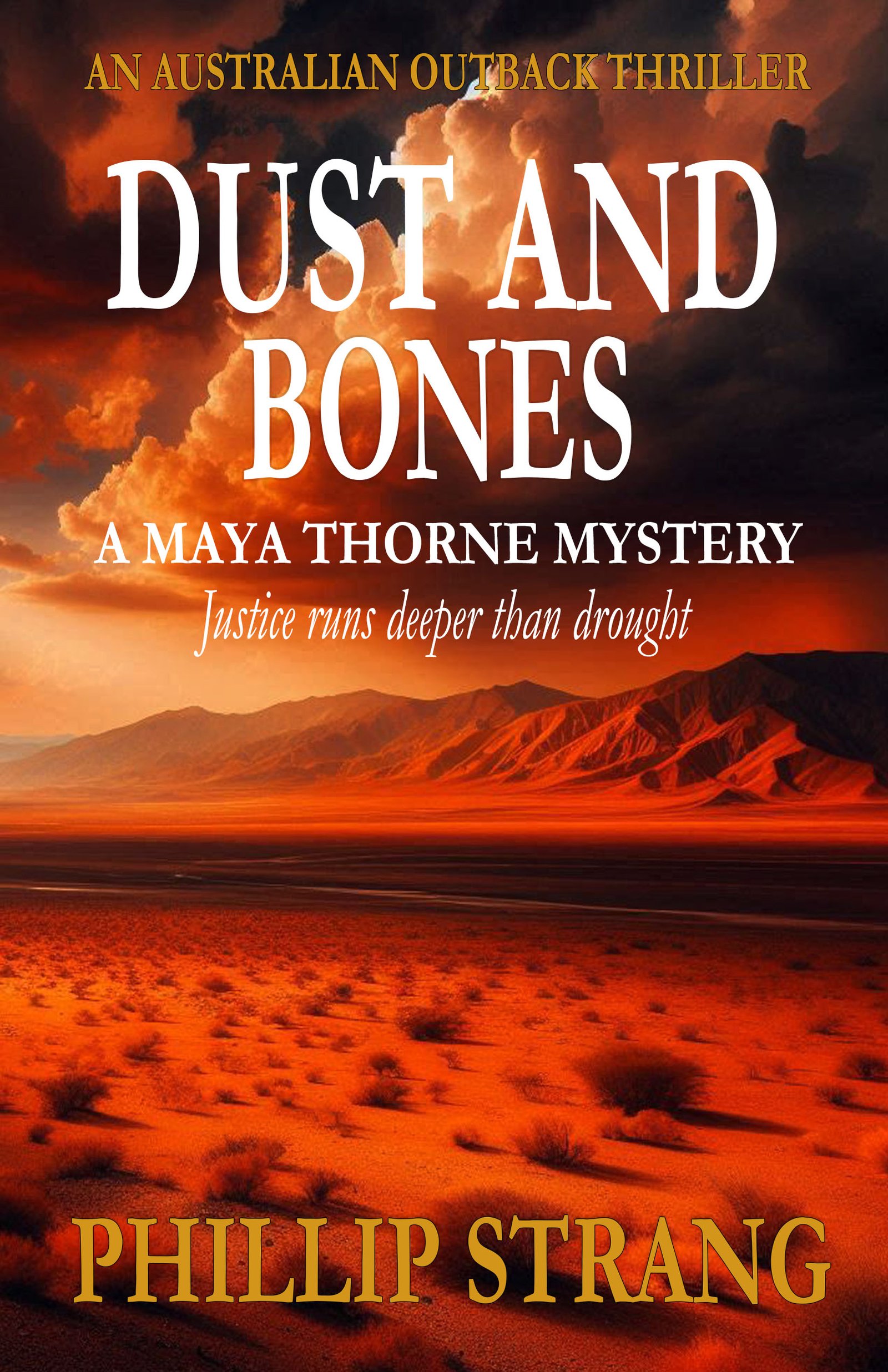
A MAYA THORNE MYSTERY
Get Dust and Bones Free
Justice runs deeper than drought.
Red dust. Shallow graves. A detective who hunts killers where the law runs thin and the nearest help is two hundred miles away.
Send Me the BookYou'll also receive occasional new release emails. Unsubscribe anytime. No spam, ever.
As an Amazon Associate, Phillip Strang earns from qualifying purchases. This page contains affiliate links — buying through them costs you nothing extra.