
The mentor figure in crime fiction operates differently than in other genres because our protagonists face life-or-death stakes where bad guidance kills. Unlike fantasy heroes seeking wisdom or literary characters pursuing enlightenment, detectives and agents need mentors who understand the brutal mechanics of criminal investigation and survival.
Across eighteen series and more than 150 novels, I have found that the most effective mentors in crime fiction serve triple duty as guides, obstacles, and plot engines simultaneously. They cannot simply dispense wisdom and fade into the background because the crime genre demands that every character earn their place through conflict and consequence.
The Mentor as Institutional Memory
Your mentor character carries the weight of cases that went wrong, procedures that failed, and criminals who escaped justice. This institutional memory becomes crucial when your protagonist encounters similar patterns or makes similar mistakes. In my police procedural work, I often use senior detectives who have witnessed department politics, bureaucratic failures, and the personal cost of obsessive investigation.
The key insight here is that crime fiction mentors must possess specific, hard-won knowledge rather than general life wisdom. They know which informants can be trusted, which prosecutors will fold under pressure, and which investigation techniques actually work in the field versus the textbook. This specificity makes their guidance valuable and their absence meaningful when the protagonist must act independently.
Consider how the mentor’s past failures inform their current advice. A retired detective who lost a key witness to intimidation will approach witness protection differently than one who solved cases through interrogation techniques. These scars shape how they guide younger investigators and create natural tension when their experience conflicts with new methods or technologies.
Mentors as Controlled Opposition
The most interesting mentors in crime fiction resist their protégés as much as they help them. This resistance creates dramatic tension and forces protagonists to prove their theories through evidence rather than relying on guidance alone. A mentor who immediately endorses every wild theory or dangerous plan eliminates conflict and tension from your narrative.
In my Steve Case series, I deliberately created mentor figures who challenge Case’s methods while respecting his instincts. This dynamic forces Case to articulate his reasoning, defend his choices, and sometimes discover flaws in his logic through opposition. The mentor becomes a testing ground for ideas before they face real-world consequences.
This opposition must stem from legitimate concerns rather than arbitrary stubbornness. Perhaps the mentor knows the political ramifications of certain investigation approaches, or they have seen promising careers destroyed by reckless pursuit of justice. Their resistance becomes a form of protection that the protagonist must eventually outgrow or overcome.
How I Actually Build Mentor Characters
When I sit down to create a mentor figure, I start with their defining failure rather than their greatest success. What case haunts them? What decision do they regret? This failure becomes the foundation of their wisdom and the source of their caution when advising others.
I then work backward to understand how this failure shaped their subsequent career and approach to crime solving. Did they become more methodical? More paranoid about evidence? Less trusting of witnesses? This psychological evolution creates a three-dimensional character whose advice carries emotional weight and personal investment.
The mentor’s relationship with your protagonist should reflect their own unresolved issues. A mentor who failed to save a young partner might be overprotective of a new detective, creating conflict when that detective needs to take necessary risks. The mentor who bent rules and got away with it might struggle to guide someone who operates strictly within legal boundaries.
I also ensure my mentors have active stakes in the current plot. They cannot simply observe and advise from the sidelines. Perhaps they know one of the suspects personally, or the current case resembles their defining failure, or their reputation depends on how the investigation concludes. This involvement prevents them from becoming passive wisdom dispensers and makes their guidance more urgent and conflicted.
Technical note: I give mentors specific skills that complement rather than duplicate the protagonist’s abilities. If your detective excels at reading crime scenes, perhaps the mentor understands criminal psychology or has extensive knowledge of local criminal networks. This division of expertise creates natural collaboration and prevents the mentor from overshadowing the protagonist.
Common Mentor Mistakes That Kill Crime Fiction
The biggest mistake I see in crime fiction mentors is making them too wise and too available. When Inspector Johnson can solve every problem with a phone call or provides perfect advice for every situation, you have eliminated narrative tension. Real mentors have limited knowledge, personal biases, and their own problems that sometimes prevent them from helping.
Another fatal error is the mentor who never disagrees with the protagonist’s methods or conclusions. This creates a boring echo chamber where the protagonist faces no intellectual challenge from allies. Effective mentors in action thrillers and crime fiction must sometimes be wrong, sometimes be unavailable, and sometimes oppose the protagonist’s plans for legitimate reasons.
Many writers also fall into the trap of making mentors purely exposition vehicles who exist to dump backstory or explain police procedures. These mentors speak in lectures rather than natural dialogue and disappear when their information dump is complete. Real mentors have their own agendas, their own cases, and their own emotional investment in outcomes.
The revenge-seeking mentor represents another common misstep. While personal investment creates good drama, mentors who are purely motivated by past trauma become predictable and one-dimensional. They need professional pride, institutional loyalty, and intellectual curiosity beyond their personal vendettas.
Finally, avoid the mentor who conveniently dies or disappears just when the protagonist needs to act independently. This transparent plot manipulation feels artificial and wastes the relationship you have built. Better to create situations where the mentor’s advice conflicts with the protagonist’s instincts, forcing a choice between wisdom and intuition.
The Mentor’s Ultimate Function
In my DI Tremayne series, I learned that the most powerful mentors become mirrors that reflect the protagonist’s growth and moral choices. They represent one possible future path for your detective or agent, showing what years of crime fighting can do to a person. The mentor’s cynicism, idealism, or pragmatism becomes a preview of who your protagonist might become.
This mirror function works best when the mentor and protagonist share similar backgrounds or motivations but have made different choices along the way. The mentor who compromised principles for results shows one path, while the mentor who maintained integrity despite career costs shows another. Your protagonist’s response to these examples reveals character and drives internal conflict.
The mentor should also serve as a bridge between your protagonist and the larger institutional world they operate within. Whether it is a police department, federal agency, or private investigation firm, the mentor understands the politics, unwritten rules, and power structures that your protagonist must navigate. This institutional knowledge becomes crucial when personal cases intersect with departmental priorities or when bureaucratic obstacles threaten investigations.
Conclusion
The mentor figure in crime fiction succeeds when they function as more than a wise advisor, becoming instead a complex character whose own flaws, knowledge, and conflicts drive plot and character development. They must challenge protagonists while supporting them, possess specific expertise while maintaining personal blind spots, and remain actively involved in stakes that matter to them personally.
About Phillip Strang
Phillip Strang is an Australian crime and thriller novelist. Across eighteen series and more than 150 novels, his work spans London police procedurals (DCI Isaac Cook), UK investigations (DI Tremayne), Australian outback crime (Maya Thorne), FBI thrillers (Alex Harlan), Scottish Highland mysteries (DI Sarah Lynch), and espionage (Steve Case). Learn more about Phillip or browse his complete catalogue on Amazon.
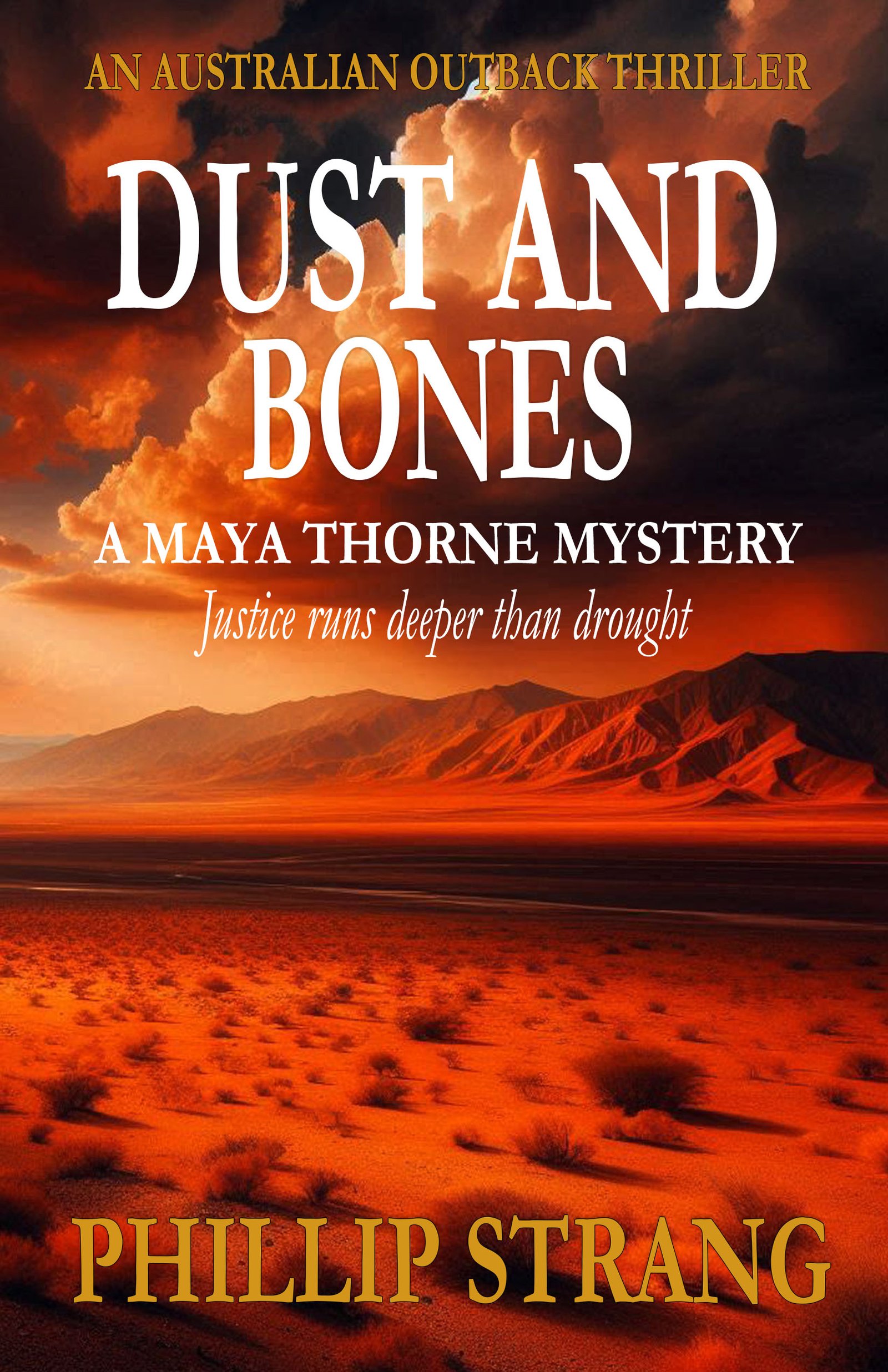
A MAYA THORNE MYSTERY
Get Dust and Bones Free
Justice runs deeper than drought.
Red dust. Shallow graves. A detective who hunts killers where the law runs thin and the nearest help is two hundred miles away.
Send Me the BookYou'll also receive occasional new release emails. Unsubscribe anytime. No spam, ever.
As an Amazon Associate, Phillip Strang earns from qualifying purchases. This page contains affiliate links — buying through them costs you nothing extra.