
Metropolitan Police Procedurals occupy a unique position in crime fiction, demanding both institutional authenticity and the gritty reality of London’s streets. The Met isn’t just another police force—it’s a complex bureaucratic machine with distinct hierarchies, political pressures, and jurisdictional peculiarities that shape every investigation. Getting this wrong means losing your reader before the first body drops.
Across eighteen series and more than 150 novels, I’ve found that the Metropolitan Police presents particular challenges that don’t exist in smaller force settings. The sheer scale of London, the media scrutiny, and the layered command structure create storytelling opportunities that many writers either exploit poorly or ignore entirely.
The Hierarchy That Makes or Breaks Your Story
The Met’s rank structure isn’t just window dressing—it’s the engine that drives procedural tension. A Detective Chief Inspector doesn’t operate like a country DI, and pretending otherwise marks you as an amateur. The DCI answers upward to Detective Chief Superintendents while managing Detective Inspectors and Detective Sergeants below. This creates natural conflict points that smart writers exploit ruthlessly.
In my DCI Isaac Cook series, I deliberately placed Cook in that middle-management sweet spot where he faces pressure from above and resistance from below. This isn’t accidental—it’s the most dramatically fertile position in the hierarchy. He’s senior enough to make decisions that matter but junior enough that those decisions get questioned, overruled, or second-guessed by commanders who care more about statistics than justice.
The key is understanding that rank determines not just authority but access. A Detective Sergeant can’t walk into the Assistant Commissioner’s office demanding resources. They work through channels, and those channels create delays, frustrations, and opportunities for things to go wrong. Use this institutional friction as a plot driver, not an obstacle to work around.
London’s Geography as Character
Metropolitan Police Procedurals succeed or fail on their relationship with London itself. The city isn’t backdrop—it’s an active participant in every investigation. Each borough has its own personality, demographics, and criminal patterns. Southwark operates differently from Kensington, and Hackney presents challenges that Wimbledon never will.
I learned this lesson the hard way when early readers called out geographical impossibilities in my chase scenes. You can’t have a character drive from Whitechapel to Westminster in fifteen minutes during rush hour, and claiming they can destroys credibility instantly. London readers know their city, and they’re unforgiving about errors.
The smart approach is treating each investigation area as a distinct environment with its own rules. Wealthy areas bring different witness attitudes, media attention, and political pressure. Working-class neighborhoods offer different challenges around trust, cooperation, and resource availability. This geographical complexity should inform character decisions and plot development at every turn.
Bureaucratic Realism vs. Narrative Pace
The Metropolitan Police operates within crushing bureaucratic constraints that would kill any thriller if portrayed accurately. Real investigations involve endless paperwork, budget meetings, and procedural delays that serve justice but murder storytelling momentum. The craft challenge is maintaining authenticity while preserving readable pace.
The solution isn’t ignoring bureaucracy—it’s using it selectively for dramatic effect. When my characters need obstacles, bureaucratic delays work perfectly. When they need urgency, I find legitimate ways around the red tape. Emergency situations bypass normal procedures. Political pressure accelerates decisions. Media attention forces rapid responses.
This connects to broader questions about best police procedural novels and how they balance authenticity with readability. The most successful writers understand that procedural elements serve story, not the reverse. Include enough institutional detail to feel authentic, but never let procedure overwhelm plot momentum.
Media Scrutiny and Political Pressure
The Metropolitan Police operates under constant media attention that provincial forces rarely experience. Every significant case draws newspaper coverage, television crews, and social media commentary that influences investigation decisions. This media pressure creates story opportunities that many writers underutilize.
Political interference isn’t conspiracy theory—it’s operational reality. Borough commanders answer to local politicians. Senior officers face pressure from the Mayor’s office, Home Office, and Parliament. These pressures don’t always align with investigative priorities, creating natural conflict that drives plot development.
Smart writers use this pressure as both obstacle and motivation. Media attention can force rushed decisions, compromise operational security, or provide unexpected breaks when publicity generates witness cooperation. Political pressure can redirect resources, change priorities, or create time constraints that heighten tension.
Common Mistakes That Kill Credibility
The most frequent error in Metropolitan Police procedurals is treating the Met like a generic police force with London names attached. Writers create Detective Inspectors who operate like small-town sheriffs, ignoring the institutional constraints and opportunities that define Metropolitan policing. This lazy approach produces procedurals that could be set anywhere, defeating the entire purpose of choosing London.
Another persistent mistake involves jurisdictional confusion. The Met covers Greater London, but the City of London has its own separate police force. Transport Police handle railway crimes. These jurisdictional boundaries create realistic complications that add authenticity when used correctly, but many writers either ignore them entirely or get them completely wrong.
Technology errors plague many series, particularly around surveillance capabilities and information access. The Met has extensive CCTV networks and database resources, but accessing them requires proper authorization and takes time. Writers who treat these resources like magic solutions undermine their own credibility. Like the best action thriller novels, successful procedurals ground their technology use in realistic constraints.
Character development suffers when writers focus solely on individual detectives while ignoring team dynamics. Real Metropolitan Police investigations involve multiple specialists—forensics teams, surveillance units, community liaison officers, and administrative support. Lone wolf detectives might work in fiction, but they don’t reflect Metropolitan Police reality.
How I Actually Approach Writing the Met
When developing Metropolitan Police cases, I start with the institutional pressures before considering the crime itself. What political sensitivities exist? Which media outlets will pay attention? How will resource constraints affect the investigation timeline? These factors shape every subsequent decision my characters make.
I keep detailed notes on Met organization, borough boundaries, and procedural requirements. This isn’t about showing off research—it’s about having authentic details available when the story needs them. Readers notice when you get the small things right, and they definitely notice when you get them wrong.
Character relationships reflect institutional reality. My detectives have complicated relationships with superiors, competitors, and subordinates that mirror real Metropolitan Police dynamics. Personal conflicts interweave with professional pressures in ways that feel authentic to anyone who’s worked within large bureaucratic organizations.
Conclusion
Metropolitan Police procedurals demand more than surface-level London color and detective stereotypes. They require understanding the institutional complexity, geographical reality, and political pressures that define modern Metropolitan policing. Writers who master these elements create procedurals that feel authentic to both London readers and international audiences seeking genuine British police atmosphere.
About Phillip Strang
Phillip Strang is an Australian crime and thriller novelist. Across eighteen series and more than 150 novels, his work spans London police procedurals (DCI Isaac Cook), UK investigations (DI Tremayne), Australian outback crime (Maya Thorne), FBI thrillers (Alex Harlan), Scottish Highland mysteries (DI Sarah Lynch), and espionage (Steve Case). Learn more about Phillip or browse his complete catalogue on Amazon.
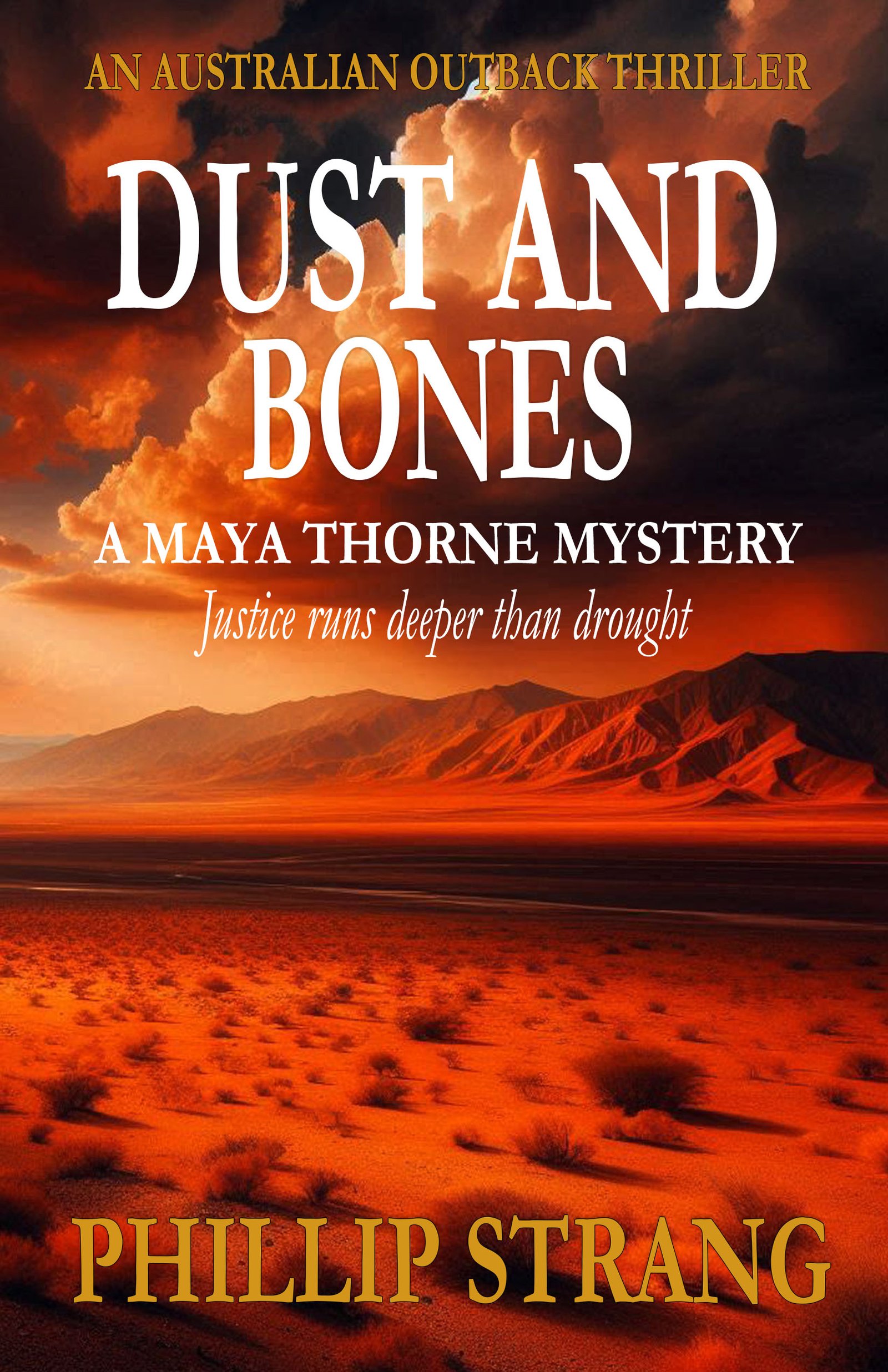
A MAYA THORNE MYSTERY
Get Dust and Bones Free
Justice runs deeper than drought.
Red dust. Shallow graves. A detective who hunts killers where the law runs thin and the nearest help is two hundred miles away.
Send Me the BookYou'll also receive occasional new release emails. Unsubscribe anytime. No spam, ever.
As an Amazon Associate, Phillip Strang earns from qualifying purchases. This page contains affiliate links — buying through them costs you nothing extra.