
The greatest challenge in writing police procedurals isn’t creating a compelling mystery or developing memorable characters—it’s maintaining narrative momentum across the methodical, often repetitive reality of actual police work. Unlike standalone thrillers that can sprint toward a climax, procedurals must balance the authentic pace of investigation with the reader’s need for continuous engagement.
Real police investigations unfold in fits and starts, with long periods of routine legwork punctuated by breakthrough moments. Across eighteen series and more than 150 novels I have found that translating this authentic rhythm into compelling fiction requires deliberate structural choices that honor both investigative reality and narrative necessity.
The Three-Act Investigation Structure
Traditional three-act structure serves procedurals poorly because real cases don’t follow screenplay logic. Instead, I work with what I call the procedural wave—alternating periods of intensive activity with necessary downtime for processing, analysis, and character development. In my DCI Isaac Cook series, each investigation typically follows five distinct phases: initial response and scene examination, witness interviews and evidence gathering, first major breakthrough or misdirection, deep investigation with multiple threads, and final convergence.
The key is ensuring each phase serves multiple functions. When Cook interviews witnesses in Murder in Little Venice, those scenes simultaneously advance the investigation, reveal character backstory, and plant seeds for later revelations. This layered approach prevents any single scene from feeling purely functional or expository.
Each wave peak should offer genuine progress—a new lead, eliminated suspect, or crucial piece of evidence. The valleys between peaks aren’t dead space; they’re opportunities for character development, relationship building, and the kind of reflective moments that give weight to the investigation’s emotional toll.
Evidence Timing and Information Release
The procedural writer’s greatest tool is control over when information reaches both the detective and the reader. Unlike puzzle mysteries where fairness demands equal access to clues, procedurals can leverage the realistic delays and uncertainties of actual investigation. Lab results take time. Witnesses become available gradually. Background checks unfold over days, not minutes.
I’ve learned to map evidence discovery against emotional beats rather than simple chronology. In my DI Tremayne books, crucial forensic results often arrive precisely when the investigation feels stalled, not because of convenient timing but because I’ve structured the investigation to create that valley before the peak. The art lies in making these revelations feel organic rather than manipulative.
The most effective procedurals layer multiple investigation threads, each moving at different speeds. While the primary murder investigation might hit roadblocks, a secondary inquiry into the victim’s background could be yielding results. This prevents the narrative from ever truly stalling while maintaining the authentic stop-and-start rhythm of real police work.
Managing Multiple Case Threads
Complex investigations spawn multiple lines of inquiry, and managing these threads without losing narrative focus requires careful orchestration. I typically run three to four active threads simultaneously, ensuring at least one is always advancing while others may temporarily stall. This mirrors real investigation dynamics while preventing reader frustration.
The mistake many writers make is treating each thread as equally important throughout the entire narrative. In practice, some leads become central while others prove tangential or false. The key is ensuring even dead-end investigations contribute something valuable—character insight, world-building, or elimination of possibilities that clarify the actual solution.
In my Maya Thorne outback crime series, the isolation and communication challenges of remote investigations naturally create this staggered thread development. When Thorne can’t immediately access certain resources or witnesses, other aspects of the case move forward, creating an authentic rhythm that serves the story’s pacing needs.
How I Actually Structure Long Investigations
When plotting a procedural, I start not with the crime but with the investigation’s emotional arc. I identify five to seven major beats—moments where the case fundamentally shifts direction or reveals new dimensions. Then I work backward, determining what investigative steps must occur to reach each beat naturally.
I use what I call ‘pressure valves’—scenes that release tension without resolving the central mystery. These might involve personal relationships, office dynamics, or minor case closures that demonstrate competence while the main investigation continues. This prevents the narrative from becoming relentlessly focused on a single problem while maintaining forward momentum.
My chapter structure typically alternates between high-intensity investigation scenes and lower-key processing moments. A dramatic witness interview might be followed by a reflective scene where detectives discuss implications over coffee. This mimics the natural rhythm of actual police work while giving readers breathing space between intense moments.
I also build in what I call ‘false bottoms’—moments where the case appears solved but proves more complex. These aren’t cheap tricks but reflections of how real investigations often unfold. Initial theories give way to deeper understanding, and apparent solutions reveal new questions.
Common Pacing Mistakes That Kill Momentum
The most deadly error in procedural pacing is the ‘dead air’ problem—extended passages where nothing meaningful advances. Writers often fall into this trap when depicting realistic police routine without ensuring each routine moment serves narrative purpose. Your detective’s paperwork might be authentic, but unless it reveals character, advances plot, or builds atmosphere, it’s dead weight.
Another common mistake is treating every piece of evidence as equally significant. In Murder at the Old Bailey from my Isaac Cook series, I deliberately introduced several pieces of forensic evidence that proved tangential to the final solution. This mimics real investigations while teaching readers to focus on investigative process rather than simply collecting clues. However, even these red herrings served purposes—they eliminated possibilities, revealed character responses to frustration, or deepened the mystery’s complexity.
Many writers also struggle with what I call ‘revelation inflation’—making every discovery feel earth-shaking. Real investigations involve countless small revelations, most of minor significance. The art lies in calibrating reader expectations so genuinely important discoveries land with appropriate weight. When everything feels crucial, nothing does.
The final major error is neglecting the investigation’s impact on investigators themselves. Long cases take emotional tolls, create interpersonal tensions, and force difficult decisions. Writers who focus solely on external investigation miss opportunities for character development that can carry readers through slower investigative periods. The best police procedural novels balance external investigation with internal character arcs, using the case’s demands to reveal who these people truly are under pressure.
Maintaining Reader Investment Through Slow Periods
Even well-paced procedurals will have sections where investigation necessarily slows. The key is ensuring these periods serve other narrative functions. Character development, relationship building, world exploration, and thematic deepening can all occur during investigative lulls without sacrificing momentum.
I’ve found that readers will tolerate slower investigative progress if they’re gaining insight into characters or settings they’ve grown to care about. The mistake is treating these elements as separate from the investigation rather than integral to it. How your detective handles frustration, relates to colleagues, or processes the emotional weight of violent crime isn’t separate from the case—it’s part of what makes the investigation compelling.
Subplots also serve as pressure valves during main investigation slowdowns. Personal relationships, office politics, or parallel cases can provide forward movement when the primary investigation hits temporary roadblocks. The key is ensuring these elements feel organic rather than obviously inserted to maintain pace.
The most effective technique I’ve discovered is what I call ‘investigative meditation’—scenes where characters reflect on case progress, discuss theories, or explore implications. These scenes can feel static if poorly handled, but when they reveal character thinking processes, eliminate possibilities, or generate new approaches, they maintain engagement while honoring the reflective aspects of actual investigation. Character-driven narratives understand that thinking is action, especially in procedural contexts where mental work drives physical investigation.
Conclusion
Effective procedural pacing requires abandoning traditional thriller rhythms in favor of something more complex and ultimately more satisfying. The goal isn’t constant acceleration but sustainable momentum that honors both investigative reality and narrative necessity. When done well, the result feels less like a constructed plot and more like witnessing actual detective work unfold.
About Phillip Strang
Phillip Strang is an Australian crime and thriller novelist. Across eighteen series and more than 150 novels, his work spans London police procedurals (DCI Isaac Cook), UK investigations (DI Tremayne), Australian outback crime (Maya Thorne), FBI thrillers (Alex Harlan), Scottish Highland mysteries (DI Sarah Lynch), and espionage (Steve Case). Learn more about Phillip or browse his complete catalogue on Amazon.
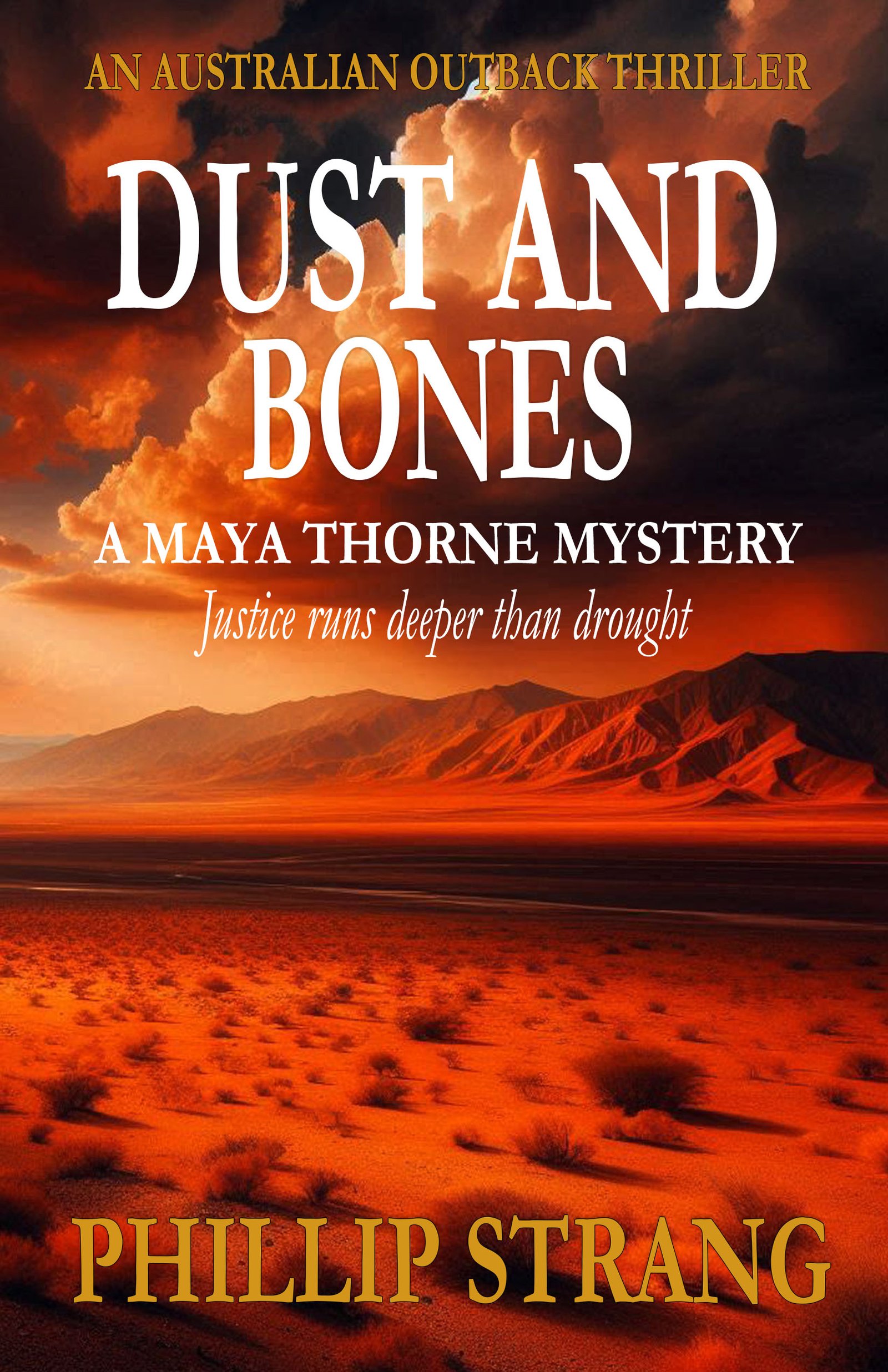
A MAYA THORNE MYSTERY
Get Dust and Bones Free
Justice runs deeper than drought.
Red dust. Shallow graves. A detective who hunts killers where the law runs thin and the nearest help is two hundred miles away.
Send Me the BookYou'll also receive occasional new release emails. Unsubscribe anytime. No spam, ever.
As an Amazon Associate, Phillip Strang earns from qualifying purchases. This page contains affiliate links — buying through them costs you nothing extra.