
Researching Crime Fiction Settings separates the writers who sell from those who struggle. Get the details wrong, and readers will notice—especially in crime fiction, where authenticity drives credibility. Your detective’s procedural missteps or your killer’s impossible forensics will shatter the spell faster than a poorly timed plot twist.
Across eighteen series and more than 150 novels, I’ve learned that setting research isn’t about accumulating facts—it’s about understanding how place shapes story. The grimy streets of East London demand different crimes than the isolated stations of the Australian outback, and your research must reflect these fundamental differences.
The Foundation: Knowing What You Actually Need
Most writers approach setting research backwards. They gather everything they can find about a location, then try to force their story to fit the research. This produces bloated narratives stuffed with irrelevant detail. Instead, start with your crime. What kind of murder works in this setting? How does the geography affect the investigation? What local factors complicate your detective’s job?
When I developed my DCI Isaac Cook series, I didn’t need to know every street in London. I needed to understand how the Metropolitan Police actually operates, how different boroughs interact, and which areas would realistically see the kinds of crimes I wanted to explore. The research became targeted, purposeful—and infinitely more useful.
Your setting research should answer three questions: What crimes naturally occur here? How do local authorities respond? What unique complications does this place create? Everything else is window dressing.
Beyond Google: Primary Sources That Matter
Wikipedia and tourist websites won’t write your crime novel. Real setting research requires human sources—people who live and work in the places you’re writing about. Retired police officers, local journalists, emergency responders, and courthouse staff possess the institutional knowledge that brings authenticity to your work.
I’ve found that most professionals are surprisingly willing to share their expertise with serious writers. The key is approaching them with specific questions rather than vague requests for general information. Don’t ask a detective to explain police work—ask about the particular challenges of investigating domestic violence in rural communities, or how budget cuts affect response times in certain precincts.
Local newspapers provide another goldmine of authentic detail. Crime reporters understand which stories their communities care about, and their archives reveal patterns of real criminal activity. This research shapes not just your plot mechanics but your story’s emotional resonance with place.
How I Actually Approach Researching Crime Fiction Settings
My process begins before I choose a specific location. I start with the crime itself—what kind of murder or conspiracy am I exploring? This determines whether I need urban anonymity, rural isolation, or institutional access. The story drives the setting choice, never the reverse.
Once I’ve identified a potential setting, I spend time there. Not as a tourist, but as an observer of daily life. I ride public transport during rush hour, visit local pubs during quiet afternoons, walk through residential areas after dark. I’m looking for the rhythms that tourists miss—how people actually move through these spaces, where they feel safe, where they don’t.
For my DI Sarah Lynch series set in the Scottish Highlands, I needed to understand not just the dramatic landscape but the practical realities of policing remote communities. How long does backup take to arrive? Where do you interview suspects when the nearest station is an hour away? These operational details become plot points, not background color.
I also maintain research files for each series—not comprehensive guides to every location, but focused collections of useful details. Police station layouts, local crime patterns, geographic challenges that affect investigations. This ongoing research prevents the scramble for authentic detail during drafting.
Common Research Mistakes That Kill Credibility
The biggest mistake is over-researching irrelevant details while missing crucial operational realities. Writers spend weeks learning about a city’s architecture while completely misunderstanding how its police departments function. Your readers won’t notice if you get a street name wrong, but they’ll absolutely notice if your detective behaves in ways that make no professional sense.
Another common error is treating all locations within a region as identical. London’s financial district operates differently from its residential suburbs, just as rural Queensland differs dramatically from Perth’s urban sprawl. My Maya Thorne series required understanding the specific challenges of outback policing—isolation, communication difficulties, jurisdictional complications that simply don’t exist in metropolitan areas.
Writers also frequently rely on outdated information, particularly about law enforcement procedures and technology. Police methods evolve constantly, and what was accurate five years ago may be completely wrong today. Regular contact with current practitioners keeps your research fresh and credible.
Perhaps most damaging is the tendency to research only dramatic elements while ignoring mundane realities. Your detective needs to eat, sleep, and handle paperwork between chasing killers. Understanding these ordinary aspects of professional life in your chosen setting provides the authentic foundation that makes extraordinary events believable. This attention to procedural detail separates professional crime fiction from the amateur work that dominates police procedural attempts.
Making Research Serve Story, Not Dominate It
The hardest part of setting research isn’t gathering information—it’s knowing what to leave out. Every fascinating detail you discover feels essential, but readers don’t need comprehensive education about your chosen location. They need enough authentic detail to believe in your story world without feeling lectured.
Effective research integration feels invisible. Readers should absorb setting details through character actions and story events, not exposition dumps. When your detective takes a specific route to avoid traffic, chooses a particular pub for an unofficial interview, or knows which local officials can expedite paperwork, you’re demonstrating setting knowledge without interrupting narrative flow.
The test of successful setting research is whether it generates story possibilities rather than just background color. If your research doesn’t suggest new plot complications, character conflicts, or investigative challenges, you’re probably researching the wrong things. The relationship between thrilling action and authentic setting forms the foundation of compelling action thrillers across any location.
Conclusion
Researching crime fiction settings effectively requires focus, not comprehensiveness. Start with your story’s specific needs, develop relationships with knowledgeable sources, and remember that authentic details serve plot and character, never the reverse. Your readers want to believe in your fictional crimes—give them the authentic foundation that makes belief possible.
About Phillip Strang
Phillip Strang is an Australian crime and thriller novelist. Across eighteen series and more than 150 novels, his work spans London police procedurals (DCI Isaac Cook), UK investigations (DI Tremayne), Australian outback crime (Maya Thorne), FBI thrillers (Alex Harlan), Scottish Highland mysteries (DI Sarah Lynch), and espionage (Steve Case). Learn more about Phillip or browse his complete catalogue on Amazon.
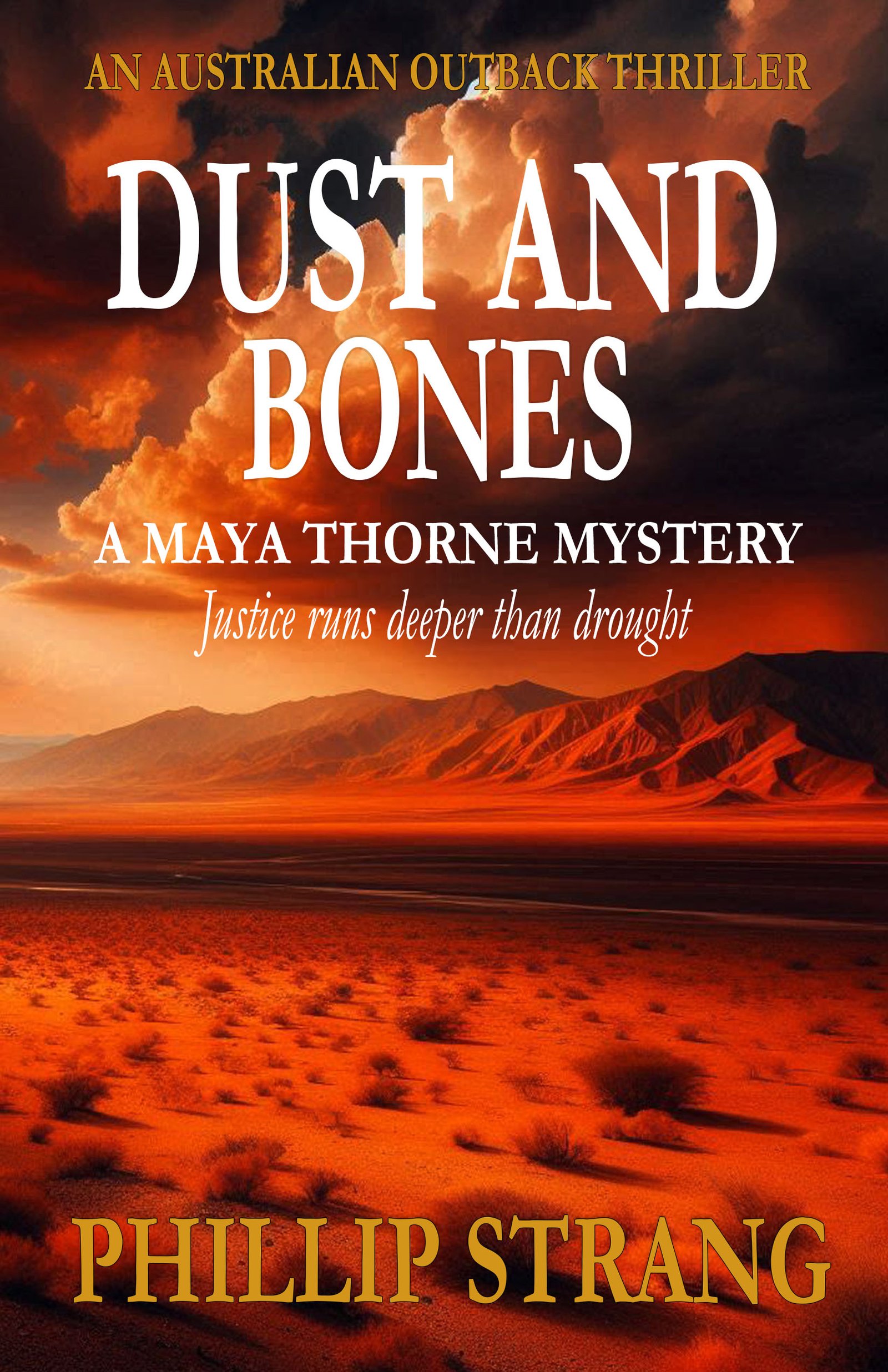
A MAYA THORNE MYSTERY
Get Dust and Bones Free
Justice runs deeper than drought.
Red dust. Shallow graves. A detective who hunts killers where the law runs thin and the nearest help is two hundred miles away.
Send Me the BookYou'll also receive occasional new release emails. Unsubscribe anytime. No spam, ever.
As an Amazon Associate, Phillip Strang earns from qualifying purchases. This page contains affiliate links — buying through them costs you nothing extra.