
Historical crime fiction demands a delicate balance between authentic period detail and compelling narrative momentum. The challenge lies not in accumulating mountains of research, but in selecting which historical elements will genuinely serve your story’s central crime.
Across eighteen series and more than 150 novels, I’ve found that the most effective historical research functions like evidence in a criminal investigation—every detail must earn its place by advancing either plot or character. Too much period colour suffocates the crime; too little leaves readers unconvinced of your setting’s authenticity.
Start With the Crime, Not the History
Many writers approach historical crime fiction backwards, falling in love with a period before they’ve identified their central criminal act. This leads to novels drowning in historical window dressing while the actual mystery feels thin and unconvincing. When I developed my DI Tremayne series, I began with the specific types of crimes that could believably occur in rural England, then researched how those crimes would have been investigated in different eras.
Your historical research should answer specific questions raised by your plot. If your Victorian detective discovers a body in the Thames, you need to know exactly how Metropolitan Police would have processed that scene in 1887. If your 1920s private investigator tracks a suspect through Chicago, research the actual streets, transport systems, and criminal networks of that era. The history serves the crime, never the reverse.
How I Actually Approach Historical Research
My research process begins with identifying the specific criminal elements that drive my plot. For a historical mystery, I need to understand three key areas: how crimes were committed with period-appropriate methods, how they were investigated with available technology and procedures, and what social or political factors might complicate both the crime and its solution.
I research in layers, starting broad then drilling into specifics. First, I establish the general social and legal framework of the period. Then I focus on the particular criminal justice methods relevant to my plot. Finally, I dig into the granular details—what did a police station smell like, how long did forensic analysis take, what forms of communication were available between investigators.
Primary sources trump secondary analysis every time. Police reports, newspaper crime coverage, court transcripts, and investigative memoirs provide the authentic voice and practical details that bring historical crime scenes to life. I’ve found that the best police procedural novels emerge when you understand exactly how police actually worked in your chosen period.
Avoiding the Research Rabbit Hole
The most dangerous trap in researching historical settings for crime fiction is becoming so fascinated by period details that you lose sight of your story’s forward momentum. I’ve seen manuscripts where writers spent pages describing Victorian London street markets while their murder investigation ground to a halt. Historical atmosphere should enhance tension, not replace it.
Another common error involves imposing modern investigative techniques on historical settings without proper justification. Your 1950s detective cannot run DNA analysis or access computer databases. More subtly, investigators from earlier periods thought differently about criminal psychology, victim interviews, and evidence preservation. Research how their minds actually worked, not how you think they should have worked.
The temptation to show off your research proves equally destructive. Readers can spot when you’re displaying historical knowledge rather than serving your story. Every period detail should either advance your investigation or deepen character understanding. If a historical element doesn’t contribute to solving your central crime, cut it regardless of how fascinating you found the research.
Making Historical Details Work for Plot
The strongest historical crime fiction uses period-specific elements as integral plot devices rather than mere backdrop. Limited communication systems create natural suspense when your detective cannot instantly verify alibis or coordinate with distant colleagues. Period-appropriate forensic limitations force investigators to rely more heavily on witness interviews and deductive reasoning.
When developing cases for my DCI Isaac Cook series, even though it’s contemporary, I often consider how historical limitations might have changed the investigation. This thinking helps me understand which plot elements depend on modern technology versus timeless investigative principles. For truly historical settings, these limitations become powerful story engines rather than obstacles.
Social attitudes of different periods also provide natural sources of conflict and complication. A female detective in the 1940s faces different challenges than her male counterpart. Class distinctions might prevent certain witness interviews or limit access to particular locations. These aren’t just historical colour—they’re plot drivers that create the specific tensions your contemporary setting cannot provide.
Balancing Accuracy With Accessibility
Historical accuracy serves your story, but obsessive adherence to period language or social attitudes can alienate modern readers. The key lies in suggesting historical authenticity without creating barriers to reader engagement. I avoid heavy dialect or archaic speech patterns that slow reading comprehension, while still indicating that my characters inhabit a different era.
Research helps you understand what your characters would realistically know, believe, and be capable of accomplishing. But remember that readers need to connect emotionally with these characters despite the historical distance. The criminal motivations, investigative determination, and human psychology that drive compelling action thriller novels remain consistent across periods, even when the external circumstances change dramatically.
Your historical research should make the impossible crimes of the past feel inevitable and believable, while ensuring that modern readers can follow your detective’s reasoning without constantly consulting history books.
Conclusion
Effective historical research for crime fiction requires discipline and focus on story service above historical exhibition. The past provides rich opportunities for crimes and investigations impossible in contemporary settings, but only when you research with your specific plot needs in mind rather than hoping that accumulated period knowledge will somehow generate a compelling mystery.
About Phillip Strang
Phillip Strang is an Australian crime and thriller novelist. Across eighteen series and more than 150 novels, his work spans London police procedurals (DCI Isaac Cook), UK investigations (DI Tremayne), Australian outback crime (Maya Thorne), FBI thrillers (Alex Harlan), Scottish Highland mysteries (DI Sarah Lynch), and espionage (Steve Case). Learn more about Phillip or browse his complete catalogue on Amazon.
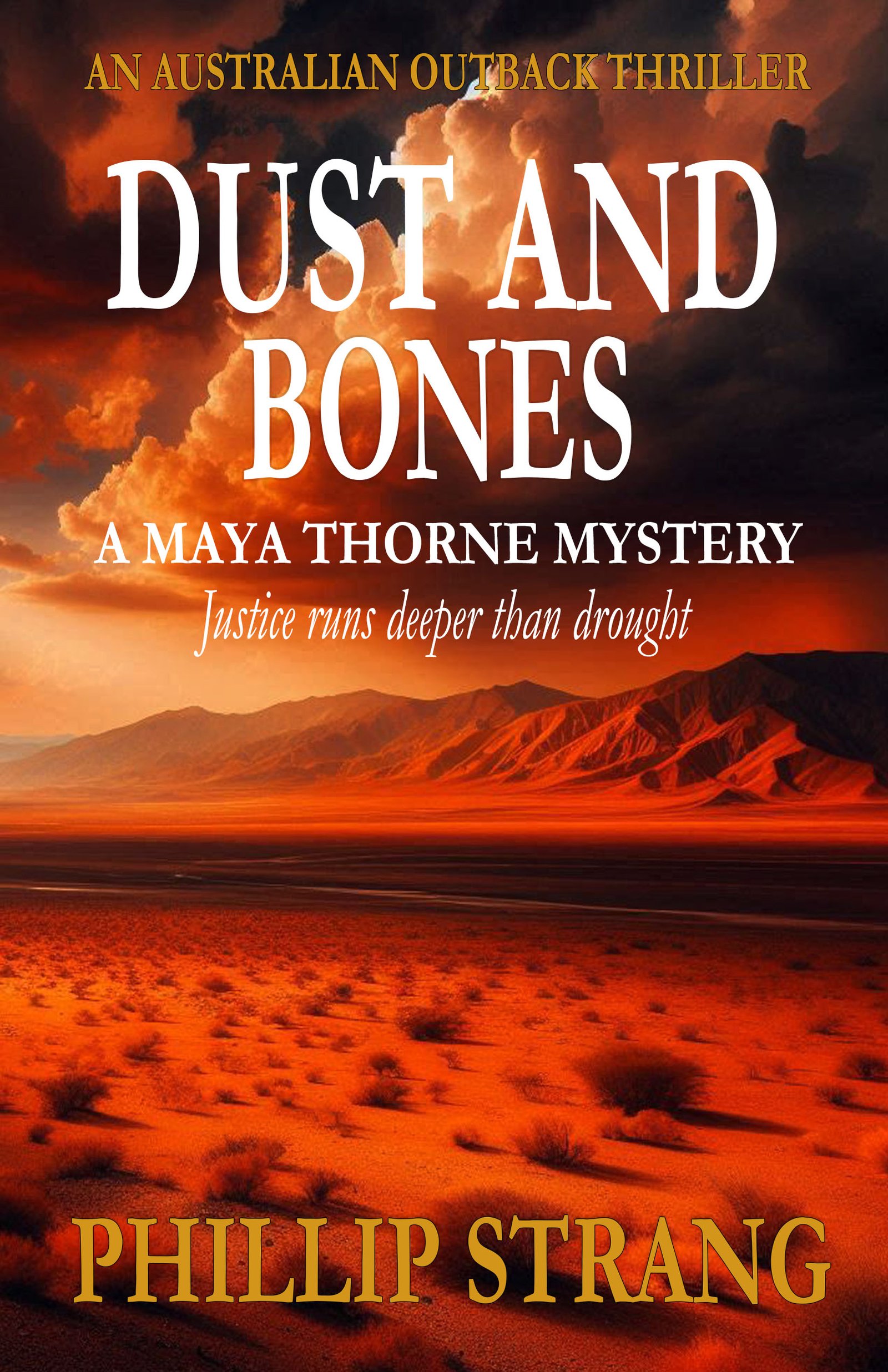
A MAYA THORNE MYSTERY
Get Dust and Bones Free
Justice runs deeper than drought.
Red dust. Shallow graves. A detective who hunts killers where the law runs thin and the nearest help is two hundred miles away.
Send Me the BookYou'll also receive occasional new release emails. Unsubscribe anytime. No spam, ever.
As an Amazon Associate, Phillip Strang earns from qualifying purchases. This page contains affiliate links — buying through them costs you nothing extra.