
The challenge every crime writer faces is getting the police work right without turning your thriller into a training manual. Too little research and your detective arrests suspects without warrants or processes crime scenes like a bumbling amateur. Too much procedural detail and readers skip pages to get back to the actual story.
Across eighteen series and more than 150 novels, I’ve learned that the key to researching police procedure lies not in becoming an expert on every aspect of law enforcement, but in understanding which details serve your story and which ones suffocate it. The best procedural elements feel authentic without feeling like homework.
Research What Drives Conflict, Not What Fills Forms
Police work involves mountains of paperwork, bureaucratic delays, and routine tasks that would bore readers senseless. Your job isn’t to document the reality of law enforcement—it’s to capture the essence while maintaining narrative momentum. Focus your research on procedural elements that create tension, reveal character, or advance the plot.
When I was developing DCI Isaac Cook, I spent time understanding how London’s Metropolitan Police handle jurisdictional disputes and inter-departmental politics. Not because readers care about administrative hierarchies, but because these conflicts create authentic obstacles for my protagonist. Cook’s frustrations with bureaucracy feel real because they’re grounded in actual procedure, but they serve the story rather than educating readers about police administration.
The same principle applies to forensic procedures. Research the timeline for DNA results or ballistics reports because delays create story problems for your detective. Skip the detailed explanation of how gas chromatography works unless your plot specifically hinges on that technical knowledge. Readers want to know why the lab results take three weeks, not how the equipment functions.
How I Actually Approach Procedural Research
My research method focuses on understanding the pressure points where procedure impacts story. I start with the specific procedural questions my plot raises: How long can police hold a suspect without charging them? What legal justification do they need to search a property? When can they access phone records?
I maintain contacts with retired police officers who can answer specific questions without me needing to become an expert on every aspect of law enforcement. These conversations often reveal interesting procedural complications that create new story possibilities. A retired detective once explained how evidence contamination fears could shut down an entire investigation—a detail that became a major plot point in one of my DI Tremayne novels.
For broader procedural understanding, I focus on memoirs and case studies rather than technical manuals. These sources reveal how procedures play out in practice, including when they’re bent or broken under pressure. This gives me realistic ways for my characters to work around procedural obstacles without becoming completely rogue.
I also research procedural differences between jurisdictions, since my series span different locations. What works for London police doesn’t necessarily apply to rural Australian investigations in my Maya Thorne series. These differences create authentic local flavor while avoiding generic, one-size-fits-all policing.
The Art of Selective Detail
Effective procedural writing involves strategic omission as much as careful inclusion. Readers don’t need to witness every step of processing a crime scene, but they should understand why certain evidence matters and others don’t. Show the detective’s frustration when lab results are delayed, not the detailed chain of custody documentation.
I include procedural details that illuminate character or advance plot, and summarize or skip everything else. When Cook interviews witnesses, I focus on the psychological dynamics rather than cataloguing every standard question. The procedure serves the characterization, not the reverse.
The key is making procedural elements feel natural rather than inserted. If you find yourself starting sentences with phrases like ‘According to police procedure’ or ‘The regulations required,’ you’re probably explaining rather than storytelling. Let procedural constraints create problems for your characters rather than lectures for your readers.
Consider which procedural details your protagonist would actually focus on. Experienced detectives don’t mentally review basic procedures—they worry about complications, exceptions, and political ramifications. Your narrative voice should reflect this professional perspective rather than explaining basics your character takes for granted.
Common Research Traps That Kill Pacing
The biggest mistake I see in procedural fiction is the Wikipedia dump—where authors showcase their research by explaining every detail they’ve learned. Your readers aren’t studying for the police academy exam. They want to experience an investigation through compelling characters facing meaningful obstacles.
Another common error is treating all procedures as absolute rules. Real police work involves judgment calls, departmental politics, and situational flexibility. A detective might skip certain protocols under time pressure or bend rules when dealing with uncooperative witnesses. This flexibility creates story opportunities rather than procedural rigidity.
Some writers get trapped researching irrelevant details because the information is interesting rather than useful. Yes, ballistics analysis involves fascinating science, but unless your plot specifically requires that knowledge, focus on the results rather than the process. Research should support your story, not replace it.
The television trap catches many procedural writers—assuming that popular crime shows accurately represent police work. Most TV procedurals compress timelines, skip bureaucratic delays, and give detectives more authority than they actually possess. Use these shows for entertainment, not research guidance.
Finally, avoid the expertise curse where you feel compelled to demonstrate everything you’ve learned. Readers can sense when procedural details are included for their own sake rather than serving the narrative. Light touches often work better than heavy exposition when establishing procedural authenticity.
Making Procedure Feel Human
The most effective procedural elements reveal character rather than just information. How does your detective handle frustrating bureaucracy? Do they follow rules religiously or find creative workarounds? These choices define character while incorporating authentic procedural constraints.
Procedural conflicts often create the most interesting story tensions. When regulations prevent your detective from pursuing promising leads, or when jurisdictional disputes complicate investigations, procedure becomes plot rather than background detail. These obstacles feel authentic because they’re grounded in real constraints that police face.
Consider how procedures affect different characters differently. Rookie officers might follow every rule precisely, while veterans know when flexibility serves justice better than rigid compliance. These differences create natural conflict and character development opportunities within your procedural framework.
The best procedural writing makes readers feel like insiders without making them feel like students. You want them to understand the pressures and constraints your characters face, but you don’t want them to feel lectured about law enforcement theory. Focus on the human impact of procedural constraints rather than the procedures themselves.
Remember that effective police procedural novels use authentic procedure to enhance rather than replace compelling storytelling. The procedure serves the characters and plot, not the reverse.
Conclusion
Researching police procedure effectively means understanding which details serve your story and which ones burden it. Focus on procedural elements that create conflict, reveal character, or advance plot—everything else is just paperwork that belongs in the real world, not your fiction.
About Phillip Strang
Phillip Strang is an Australian crime and thriller novelist. Across eighteen series and more than 150 novels, his work spans London police procedurals (DCI Isaac Cook), UK investigations (DI Tremayne), Australian outback crime (Maya Thorne), FBI thrillers (Alex Harlan), Scottish Highland mysteries (DI Sarah Lynch), and espionage (Steve Case). Learn more about Phillip or browse his complete catalogue on Amazon.
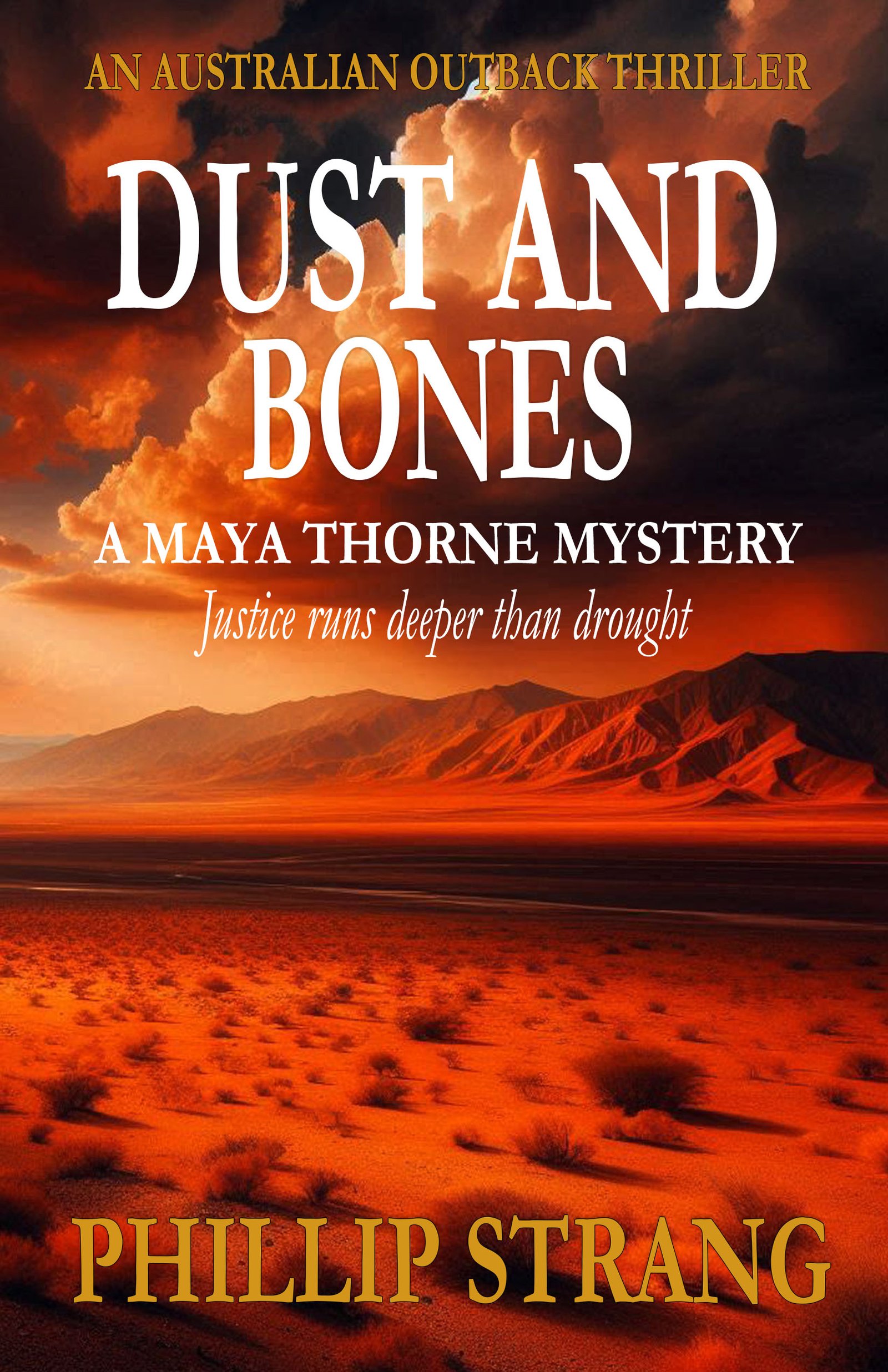
A MAYA THORNE MYSTERY
Get Dust and Bones Free
Justice runs deeper than drought.
Red dust. Shallow graves. A detective who hunts killers where the law runs thin and the nearest help is two hundred miles away.
Send Me the BookYou'll also receive occasional new release emails. Unsubscribe anytime. No spam, ever.
As an Amazon Associate, Phillip Strang earns from qualifying purchases. This page contains affiliate links — buying through them costs you nothing extra.