
The romantic subplot in crime fiction walks a razor’s edge between enhancement and distraction. When executed properly, romance deepens character motivation, raises stakes, and adds emotional complexity to your mystery. When handled poorly, it becomes saccharine filler that readers skip to get back to the real story.
Across eighteen series and more than 150 novels, I have found that the most effective romantic subplots serve the crime narrative rather than competing with it. The romance must illuminate something essential about your protagonist’s character while creating genuine conflict that impacts the investigation.
Romance as Character Revelation
The strongest romantic subplots expose your detective’s vulnerabilities and contradictions. A hardened investigator who struggles with intimacy becomes more compelling when that emotional distance affects their ability to connect with witnesses or partners. In my DI Tremayne series, Tremayne’s reluctant attraction to forensic pathologist Dr. Mavis Godwin reveals his fear of losing people he cares about, a vulnerability rooted in his past losses. This isn’t decoration—it directly impacts how he approaches cases involving family murders.
Your romantic subplot should force your protagonist to confront aspects of themselves they’d rather avoid. The crime procedural format gives you multiple books to develop this slowly, letting readers discover layers of your character through their romantic struggles. The key is ensuring every romantic beat serves character development that makes your detective more effective or creates obstacles that complicate their investigative work.
Stakes That Matter to the Mystery
Romantic tension becomes compelling when it affects the case outcome. If your detective’s love interest is connected to the investigation—as a witness, suspect, victim, or opposing counsel—every personal interaction carries professional consequences. This connection must feel organic, not contrived. The relationship complications should emerge naturally from the crime narrative rather than feeling grafted on.
I’ve found that the most effective approach involves making the romantic interest someone whose professional role regularly intersects with your detective’s work. This creates ongoing tension without requiring elaborate coincidences to bring them together. The romance develops through shared professional challenges, creating authentic conflict when personal feelings clash with investigative duties. When your detective must choose between protecting someone they love and pursuing justice, you’ve created stakes that serve both the romance and the mystery.
My Working Method for Romantic Integration
When planning a romantic subplot, I start with the crime story and identify where emotional vulnerability would most impact my protagonist. I look for moments when personal relationships could either help or hinder the investigation. The romance grows from these pressure points rather than existing as a separate storyline.
I develop the romantic interest as a fully realized character with their own professional goals and personal stakes in the community where crimes occur. In my Maya Thorne series, the developing relationship with local station commander Dave Reynolds works because both characters have legitimate professional reasons to be involved in outback investigations. Their personal connection creates tension when their professional priorities conflict, but it never feels artificial because both belong in that world.
The pacing requires discipline. I limit romantic scenes to moments when they reveal character or advance the plot. A tender scene works when it shows your detective’s capacity for connection, making their professional isolation more poignant. A conflict scene works when it demonstrates how personal feelings can cloud professional judgment. Every romantic beat must earn its place by serving the larger narrative.
Common Pitfalls and How to Avoid Them
The most frequent mistake involves treating the romantic subplot as mandatory rather than purposeful. Many writers include romance because they believe readers expect it, resulting in perfunctory scenes that add nothing to the story. If your romantic subplot doesn’t illuminate character or affect the investigation, eliminate it entirely. Readers prefer a focused crime story over one diluted by irrelevant romantic padding.
Another trap involves making the love interest too perfect or too accommodating. A forensic expert who never challenges your detective’s assumptions, or a journalist who always prioritizes their relationship over getting the story, becomes a fantasy rather than a character. Real people have competing loyalties and professional ambitions that sometimes conflict with romance. In my Steve Case series, the tension between Case and CIA analyst Sarah Manning works because both characters prioritize their mission objectives, sometimes at the expense of their relationship.
Timing mistakes also undermine romantic subplots. Passionate encounters during active crime scenes or lengthy relationship discussions while chasing suspects destroy the story’s credibility. The romance must respect the urgency and gravity of the crime investigation. Personal moments work best during natural pauses in the investigative timeline, or when they’re interrupted by case developments that force characters back into professional mode.
Avoid using romance as a reward system where solving the case automatically resolves relationship problems. Real relationships require ongoing work that doesn’t pause for investigations. Your characters’ personal issues should continue beyond the current mystery, creating ongoing complexity for future books.
Building Long-Term Romantic Arcs
Series fiction allows you to develop romantic relationships across multiple books, but this requires careful planning to maintain reader interest without repetitive relationship drama. Each book should advance the relationship in some meaningful way while introducing new sources of conflict that feel fresh rather than recycled.
The strongest long-term romantic arcs involve characters growing individually while learning to function as a couple. Professional challenges should test their relationship in different ways across books. One mystery might force them to work together despite personal conflict, while another might separate them professionally just as they’re growing closer personally. Among the best police procedural novels, you’ll find romantic subplots that span multiple books without overwhelming the crime elements.
Avoid the temptation to manufacture relationship drama through contrived misunderstandings or artificial obstacles. Instead, let the natural pressures of police work, investigation stress, and professional demands create realistic strain on the relationship. Different cases will highlight different aspects of your characters’ compatibility or conflict, keeping the romantic arc fresh while serving each individual mystery.
Conclusion
The romantic subplot in crime fiction succeeds when it amplifies rather than competes with your mystery. By grounding romance in character revelation, connecting it to investigative stakes, and respecting the primacy of the crime narrative, you create relationships that enhance rather than distract from your story. The goal isn’t to write a romance novel with crime elements, but to use romantic tension as another tool for building compelling, complex characters who solve compelling, complex crimes.
About Phillip Strang
Phillip Strang is an Australian crime and thriller novelist. Across eighteen series and more than 150 novels, his work spans London police procedurals (DCI Isaac Cook), UK investigations (DI Tremayne), Australian outback crime (Maya Thorne), FBI thrillers (Alex Harlan), Scottish Highland mysteries (DI Sarah Lynch), and espionage (Steve Case). Learn more about Phillip or browse his complete catalogue on Amazon.
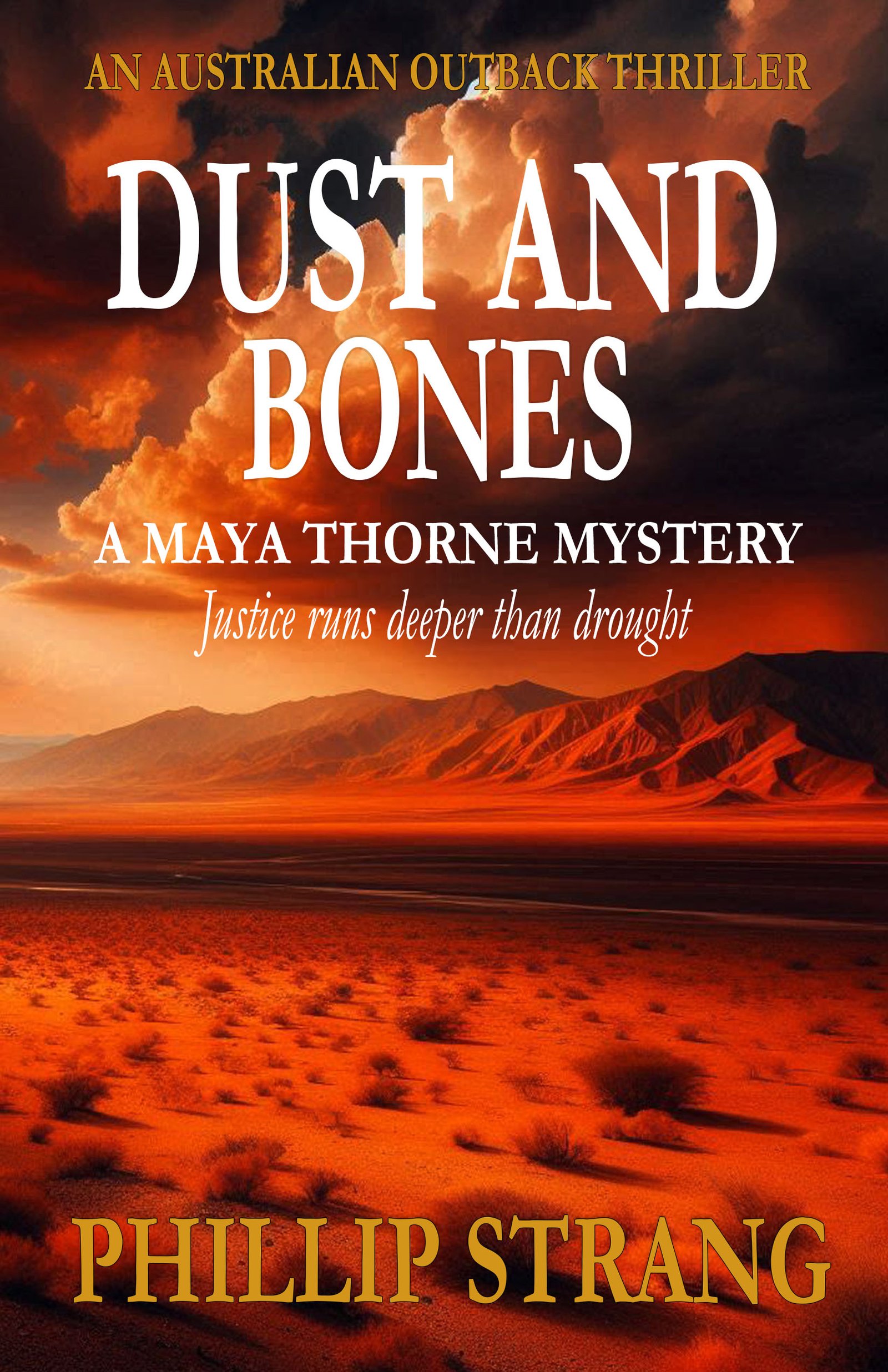
A MAYA THORNE MYSTERY
Get Dust and Bones Free
Justice runs deeper than drought.
Red dust. Shallow graves. A detective who hunts killers where the law runs thin and the nearest help is two hundred miles away.
Send Me the BookYou'll also receive occasional new release emails. Unsubscribe anytime. No spam, ever.
As an Amazon Associate, Phillip Strang earns from qualifying purchases. This page contains affiliate links — buying through them costs you nothing extra.