
The leap from managing one crime series to juggling multiple ongoing storylines represents one of the most challenging transitions in genre fiction. Most authors struggle with the practical realities of keeping characters consistent across years, maintaining distinct voices between series, and managing the sheer logistical complexity of multiple publishing schedules.
Across eighteen series and more than 150 novels, I have found that scaling successfully requires abandoning romantic notions about inspiration and embracing systematic approaches to character development, world-building documentation, and ruthless time allocation. The authors who thrive with multiple series are those who treat their craft as both art and business operation.
The Infrastructure Problem Most Authors Ignore
Before you consider launching a second series, you need robust documentation systems that most single-series authors never develop. Character bibles become essential when you are tracking dozens of recurring personalities across different fictional worlds. I maintain detailed files for each series that include character physical descriptions, speech patterns, backstory elements, and relationship dynamics.
The real challenge emerges when you realize that your detective inspector from Yorkshire cannot accidentally develop the speech patterns of your Australian outback investigator. When I developed Maya Thorne after establishing my London-based characters, I had to create entirely separate voice reference documents. The effort required to maintain authenticity across geographically and culturally distinct settings multiplies exponentially with each new series.
Timeline management becomes equally critical. Your series need internal consistency, but they also need to avoid contradicting each other if they exist in the same universe, or maintain clear separation if they operate in parallel worlds. I learned this lesson when plot elements from different series began bleeding into each other during drafting phases.
How I Actually Approach Multiple Series Development
My writing schedule operates on rigid rotation principles rather than inspiration-based decisions. I allocate specific months to specific series, completing entire drafts before switching focus. This approach prevents the creative contamination that occurs when you attempt to write multiple series simultaneously.
When developing DI Tremayne while maintaining my existing London procedurals, I discovered that geographic and procedural research requires complete immersion periods. You cannot effectively write convincing police procedural novels while mentally switching between different jurisdictional frameworks and investigative cultures.
Character voice establishment demands the most intensive preparation phase. Before beginning any new series, I spend weeks developing dialogue samples, internal monologue patterns, and decision-making frameworks specific to the new protagonist. This prevents the lazy writing trap where all your detectives begin sounding like variations of your first successful character.
Market positioning becomes crucial when you are building multiple brands simultaneously. Each series needs distinct marketing angles, target reader demographics, and positioning within the broader crime fiction landscape. Your FBI thriller readers may not automatically embrace your cozy village mysteries, requiring separate audience development strategies.
The Brand Dilution Trap
Many authors destroy their existing reader base by launching new series that confuse their established brand identity. If your readers associate your name with gritty urban crime, sudden ventures into countryside mysteries can alienate your core audience without successfully attracting new readers.
I have observed authors who built strong followings with psychological thrillers completely lose momentum when they introduced incompatible action thriller novels under the same name. The solution involves either maintaining thematic consistency across series or developing clear sub-branding strategies that signal different reader experiences.
Publishing frequency mistakes plague authors who believe multiple series mean multiple monthly releases. Readers prefer consistent, predictable schedules over erratic output that sacrifices quality for quantity. When you promise regular installments across multiple series, you create obligations that can destroy your writing quality and personal sustainability.
The crossover temptation represents another common pitfall. Authors frequently attempt to boost new series by featuring established characters in cameo roles, usually resulting in forced plot connections that weaken both storylines. Each series needs independent strength rather than borrowed credibility from existing work.
Managing Reader Expectations Across Different Series
Reader communication becomes exponentially more complex when you maintain multiple ongoing storylines. Your audience needs clear signals about what to expect from each series, release scheduling information, and guidance about reading order dependencies.
When I expanded from London-based investigations to include Alex Harlan FBI thrillers, reader confusion initially damaged both series performance. The solution required distinct marketing language, separate series branding, and explicit communication about the different reading experiences each series provides.
Series conclusion timing demands strategic planning rather than organic development. You cannot allow multiple series to reach natural ending points simultaneously, creating publication gaps that lose reader momentum. Staggered series development ensures continuous output while preventing the creative burnout that occurs when you attempt to maintain parallel storylines indefinitely.
Financial and Time Investment Realities
Multiple series require substantially more upfront investment than most authors anticipate. Research costs multiply when you are developing different geographic settings, professional backgrounds, and cultural contexts. The time investment for maintaining series consistency increases exponentially rather than arithmetically.
Marketing budgets must account for separate audience development rather than assuming crossover readership. Each series needs independent promotional strategies, distinct social media approaches, and separate advertising campaigns targeting different reader preferences within the broader crime fiction market.
The psychological demands of character switching cannot be underestimated. Maintaining emotional connection with multiple protagonists while developing their individual story arcs requires mental compartmentalization skills that improve with practice but initially create significant cognitive load.
Revenue diversification through multiple series provides stability against market fluctuations, but only after each series achieves independent viability. The investment period before multiple series generate sustainable income extends far longer than single-series authors typically project.
Conclusion
Successful scaling from one series to multiple requires treating your writing operation as a business system rather than artistic expression. The authors who thrive understand that creative inspiration must operate within structured frameworks that support consistent quality across multiple ongoing storylines.
About Phillip Strang
Phillip Strang is an Australian crime and thriller novelist. Across eighteen series and more than 150 novels, his work spans London police procedurals (DCI Isaac Cook), UK investigations (DI Tremayne), Australian outback crime (Maya Thorne), FBI thrillers (Alex Harlan), Scottish Highland mysteries (DI Sarah Lynch), and espionage (Steve Case). Learn more about Phillip or browse his complete catalogue on Amazon.
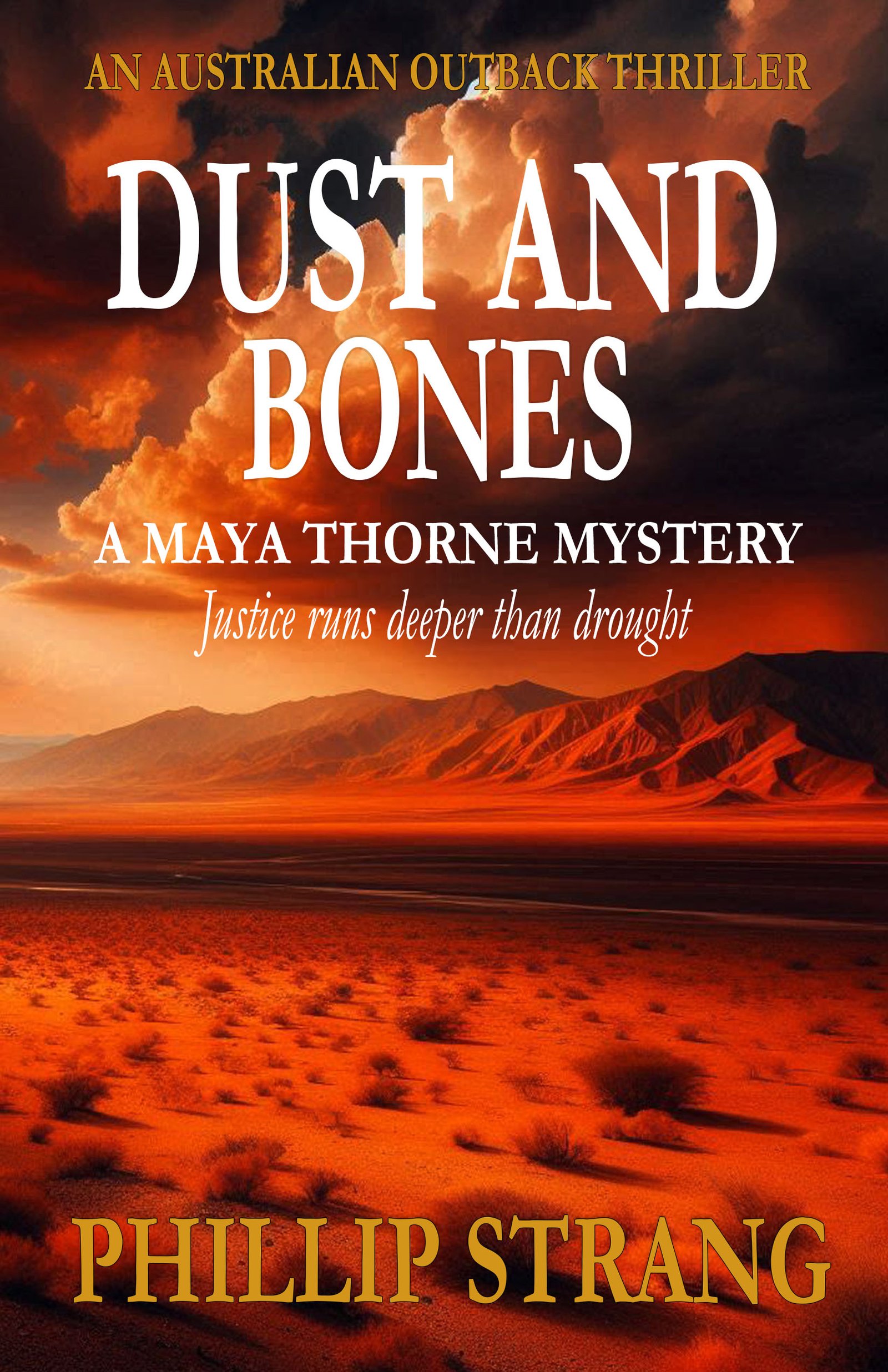
A MAYA THORNE MYSTERY
Get Dust and Bones Free
Justice runs deeper than drought.
Red dust. Shallow graves. A detective who hunts killers where the law runs thin and the nearest help is two hundred miles away.
Send Me the BookYou'll also receive occasional new release emails. Unsubscribe anytime. No spam, ever.
As an Amazon Associate, Phillip Strang earns from qualifying purchases. This page contains affiliate links — buying through them costs you nothing extra.