
Scottish Loch Settings in Crime Fiction have become the literary equivalent of a shortcut to atmosphere—writers drop a body in the water, describe the mist rolling across the surface, and assume the work is done. The problem isn’t the setting itself; it’s that most authors treat these locations as decorative backdrops rather than integral components of their crime narratives.
Across eighteen series and more than 150 novels, I’ve found that the most compelling crime fiction emerges when setting becomes character, not scenery. When I developed my DI Sarah Lynch series, I deliberately chose the Scottish Highlands not for their postcard beauty, but for their capacity to isolate, conceal, and psychologically pressure both criminals and investigators.
The Isolation Factor That Most Writers Waste
Scottish lochs offer something urban crime settings cannot: genuine isolation that affects every aspect of your investigation. This isn’t about romantic solitude—it’s about communication blackouts, limited escape routes, and communities where everyone knows everyone else’s business. Yet too many writers use this isolation as a lazy plot device rather than exploring its genuine implications.
In my Highland mysteries, I’ve learned that isolation creates specific investigative challenges. Mobile phone coverage becomes patchy, forensic teams face delayed arrivals, and witnesses can disappear into terrain that would challenge experienced hikers. These aren’t plot conveniences—they’re operational realities that should drive your narrative choices. When DI Lynch investigates a drowning in Loch Katrine, the isolation doesn’t just create atmosphere; it fundamentally alters how she conducts the investigation, who she can contact, and when she can expect backup.
Weather as Investigative Pressure, Not Mood Lighting
The Scottish Highland weather system is notoriously unpredictable, and crime writers consistently underuse this reality. I see manuscript after manuscript where weather exists solely to create mood—the obligatory mist for mystery, rain for melancholy, clear skies for resolution. This represents a fundamental misunderstanding of how environment should function in crime fiction.
Weather in loch settings should complicate your investigation, not decorate it. Sudden fog can trap suspects and investigators alike. Highland storms can wash away evidence, flood access roads, or force your detective to shelter with potential suspects. In one Sarah Lynch investigation, a weather front forces the entire cast into a single building for twelve hours—creating a pressure cooker scenario that reveals character motivations far more effectively than any traditional interrogation scene. The weather becomes an active participant in the investigation, not atmospheric window dressing.
Scottish Loch Settings in Crime Fiction: Beyond the Tourist Brochure
Most crime writers research Scottish lochs through travel websites and end up with the same handful of well-known locations: Loch Ness, Loch Lomond, Loch Katrine. This creates a homogenized version of Scottish Highland crime that feels more like tourism marketing than authentic storytelling. The real craft challenge lies in understanding how these water systems actually function within their communities.
Lochs serve as economic centers, transportation routes, and social boundaries for Highland communities. They’re not just pretty water features—they’re working landscapes with specific industries, seasonal populations, and economic pressures. A crime writer who understands that Loch Fyne supports a shellfish industry, or that certain lochs serve as water supplies for major cities, can create more authentic conflicts and more believable criminal motivations. The best police procedural novels understand that crime emerges from real economic and social tensions, not generic human evil.
How I Actually Research Highland Crime Settings
When developing a new Highland location for the Sarah Lynch series, I start with practical questions rather than atmospheric ones. What industries operate here? Who has legitimate reasons to be on or near the water at unusual hours? How do local weather patterns affect transportation and communication? What seasonal changes alter the community dynamics?
I spend considerable time understanding the specific loch’s depth, accessibility, and surrounding terrain. These details determine how bodies might be disposed of, where evidence could wash up, and how quickly a crime scene might be compromised by natural forces. For instance, Loch Morar’s status as Britain’s deepest freshwater loch creates very different criminal possibilities than the shallow, accessible waters of Loch Leven. These aren’t just background details—they’re plot architecture.
I also focus on the human infrastructure around each loch: ferry schedules, fishing regulations, tourist seasons, and local law enforcement coverage. A crime that occurs during peak tourist season presents entirely different investigative challenges than one happening in the dead of winter when most facilities are closed and populations reduced to year-round residents. This seasonal variation offers crime writers rich opportunities to explore how community dynamics shift and how criminal opportunities emerge.
Common Mistakes That Undermine Highland Crime Fiction
The biggest error I see in Scottish Highland crime fiction is the assumption that remoteness equals lawlessness. Writers create scenarios where crimes go unreported for days or weeks, where investigators work entirely alone, or where local communities are either completely closed off to outsiders or completely naive about criminal activity. This misunderstands how actual Highland communities function.
Highland communities may be geographically isolated, but they’re not socially or technologically cut off from the wider world. Most residents have mobile phones, internet access, and regular contact with urban centers. The isolation is selective and situational—a fact that creates more interesting plot possibilities than total disconnection. Another frequent mistake involves treating Highland communities as uniformly traditional or backward. Many Highland residents are well-educated, well-traveled, or are urban transplants who’ve chosen rural living.
Writers also consistently overuse the ‘ancient secrets’ trope, where every Highland crime connects to clan histories, forgotten feuds, or buried treasures. While historical elements can enhance Highland crime fiction, modern Highland crime is far more likely to involve contemporary issues: drug trafficking, financial fraud, environmental crime, or domestic violence. The setting doesn’t require historical mystery to generate compelling criminal activity.
Making Highland Waters Work Harder in Your Narrative
Water should function as more than a disposal site for bodies or evidence. Lochs can serve as economic resources worth killing for, transportation routes that enable or prevent criminal activity, or psychological barriers that shape character behavior. In my experience, the most effective Highland crime fiction treats the loch as an active element in the criminal ecosystem.
Consider how seasonal water level changes might expose previously hidden evidence, or how specific loch characteristics affect body decomposition and discovery. Understanding salmon runs, tourist boat schedules, or hydroelectric operations can provide realistic timing for criminal activities and their detection. These details create authenticity and provide plot opportunities that generic water settings cannot offer.
The key is integrating these environmental elements into your crime structure rather than using them as decorative additions. When the setting actively influences how crimes are committed, investigated, and resolved, you’ve moved beyond atmospheric writing into genuine craft. This approach connects naturally with techniques used in best character driven novels, where environment shapes character development and decision-making.
Conclusion
Scottish loch settings offer crime writers specific advantages when properly understood and utilized. The challenge lies in moving beyond superficial atmospheric writing toward settings that actively participate in your criminal narrative. This requires research, understanding, and respect for both the landscape and the communities that inhabit it.
About Phillip Strang
Phillip Strang is an Australian crime and thriller novelist. Across eighteen series and more than 150 novels, his work spans London police procedurals (DCI Isaac Cook), UK investigations (DI Tremayne), Australian outback crime (Maya Thorne), FBI thrillers (Alex Harlan), Scottish Highland mysteries (DI Sarah Lynch), and espionage (Steve Case). Learn more about Phillip or browse his complete catalogue on Amazon.
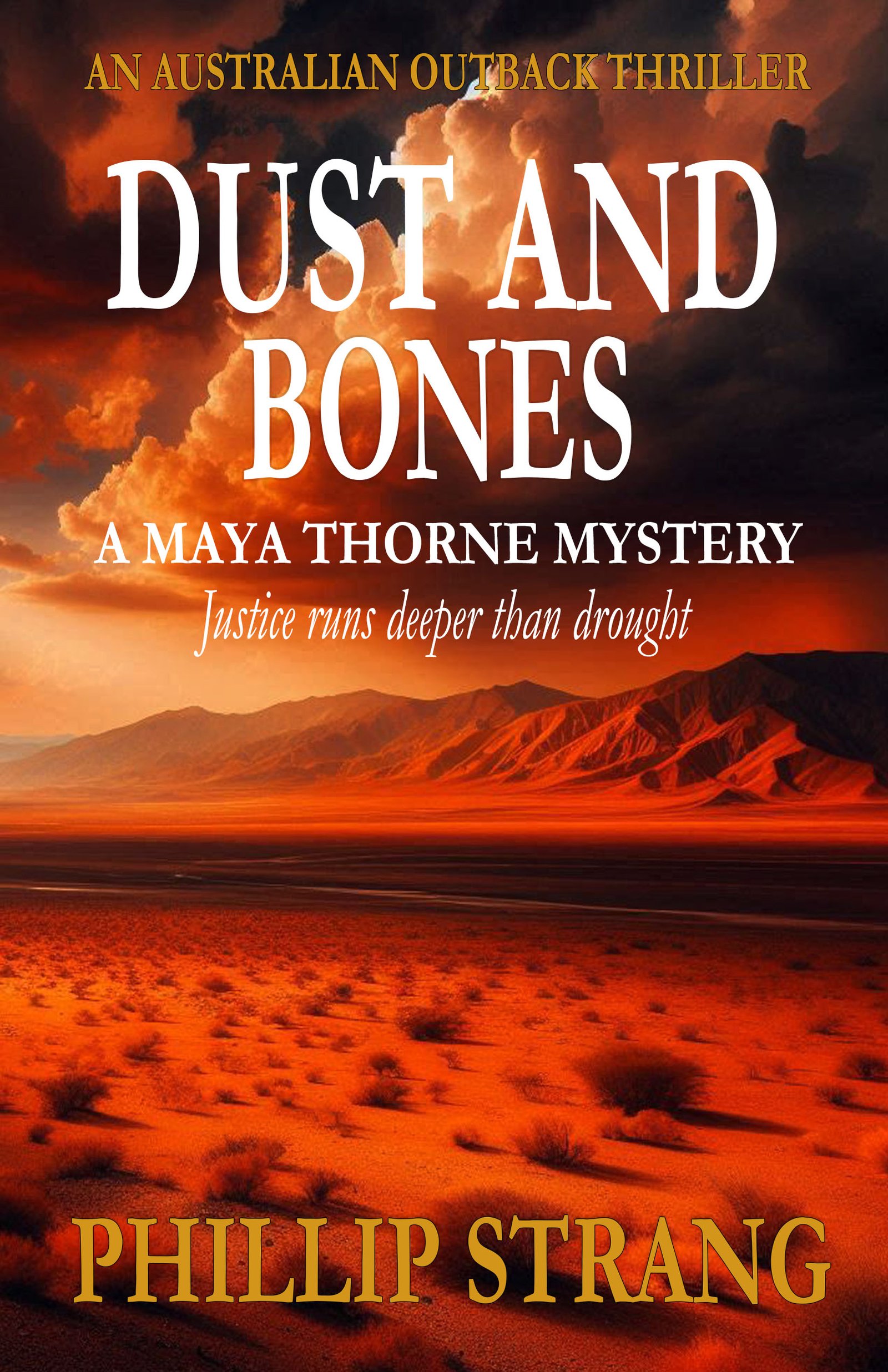
A MAYA THORNE MYSTERY
Get Dust and Bones Free
Justice runs deeper than drought.
Red dust. Shallow graves. A detective who hunts killers where the law runs thin and the nearest help is two hundred miles away.
Send Me the BookYou'll also receive occasional new release emails. Unsubscribe anytime. No spam, ever.
As an Amazon Associate, Phillip Strang earns from qualifying purchases. This page contains affiliate links — buying through them costs you nothing extra.