
Most crime fiction authors approach social media like suspects wandering through a crime scene—leaving fingerprints everywhere but accomplishing nothing productive. The platforms that genuinely connect crime writers with readers require strategic focus, not scattered posting across every available channel. Success demands understanding which social media platforms actually convert browsers into book buyers for our specific genre.
Across eighteen series and more than 150 novels, I have found that crime fiction authors waste enormous energy chasing the wrong audiences on platforms designed for different content types. The key lies in matching your series’ specific subgenre with platforms where those readers actively discover new books, rather than broadcasting generic author updates to disinterested feeds.
Facebook Groups: The Hidden Goldmine for Crime Fiction Discovery
Facebook’s algorithm may throttle author pages, but crime fiction groups remain vibrant communities where readers genuinely seek recommendations. I focus on groups dedicated to specific subgenres rather than general book clubs—police procedural enthusiasts behave differently from psychological thriller readers. When launching my DCI Isaac Cook series, targeted engagement in London police procedural groups generated more direct sales than months of general author page posting.
The critical mistake involves treating these groups as advertising venues rather than community spaces. Members spot promotional posts immediately and respond with hostility. Instead, I contribute genuine recommendations for other authors’ work, answer craft questions, and occasionally mention my own books within broader discussions about police procedural techniques. This approach builds authentic relationships that convert into loyal readership over time.
Instagram: Visual Storytelling for Atmospheric Crime Fiction
Crime fiction translates surprisingly well to Instagram’s visual format when authors move beyond generic book cover posts. Location photography proves particularly effective—the Scottish Highland settings in my DI Sarah Lynch series generate substantial engagement when I share atmospheric landscape photos with subtle story connections. Readers appreciate glimpsing the environments where fictional crimes unfold.
Instagram Stories offer opportunities for behind-the-scenes content that humanizes the writing process without revealing plot details. I share research photos from crime scene visits, newspaper clippings that inspire storylines, and brief video updates from writing locations. The platform’s younger demographic actively discovers new thriller authors through hashtag searches, making strategic tagging essential for visibility.
Twitter: Real-Time Engagement and Industry Connections
Twitter serves two distinct functions for crime fiction authors: reader engagement and industry networking. The platform’s real-time nature suits crime fiction’s tension-driven content, allowing authors to share brief story excerpts, pose investigative questions to readers, and participate in genre-specific hashtag events. Crime writing communities organize regular Twitter events where authors share recommendations and readers discover new series.
The networking aspect proves equally valuable. Publishers, agents, and established crime writers maintain active Twitter presence, creating opportunities for professional connections that extend beyond social media. I have secured speaking opportunities and collaborative projects through relationships initially formed via Twitter interactions about thriller writing techniques.
My Actual Social Media Workflow: What Works in Practice
I dedicate specific time blocks to social media rather than sporadic posting throughout the day. Monday mornings focus on Facebook group engagement—reading posts, offering genuine recommendations, and contributing to craft discussions. Wednesday afternoons handle Instagram content creation, often photographing locations or research materials during writing breaks. Friday evenings involve Twitter engagement, participating in hashtag events and responding to reader questions.
Content planning revolves around series releases rather than arbitrary posting schedules. When developing the Maya Thorne Australian outback series, I shared location research photos months before publication, building anticipation among readers interested in remote crime settings. This approach creates narrative continuity across platforms while maintaining reader interest between book releases.
I track engagement metrics ruthlessly, focusing on meaningful interactions rather than vanity numbers. Comments that discuss plot elements, questions about character development, and requests for reading recommendations indicate genuine reader connection. Simple likes or generic praise suggest passive consumption without conversion potential.
Common Social Media Mistakes That Kill Crime Fiction Promotion
The worst mistake involves treating social media as a broadcasting platform rather than a conversation space. Authors who constantly post buy my book messages without engaging in community discussions alienate potential readers immediately. I see crime writers sharing identical promotional posts across all platforms, ignoring each platform’s unique audience expectations and content formats.
Another destructive approach involves spoiler-heavy content that reveals plot twists or murderer identities. Crime fiction readers treasure the discovery process—social media posts that compromise that experience damage both current book sales and series loyalty. I have watched authors destroy their own book launches by posting crucial plot revelations in excitement over their story achievements.
Platform-jumping represents a significant resource waste. Authors who maintain active presence across six platforms inevitably spread themselves too thin, producing mediocre content everywhere instead of excellent engagement somewhere. I concentrate on three platforms maximum, ensuring quality interaction rather than superficial visibility.
The tendency to focus exclusively on new releases while ignoring backlist promotion costs authors ongoing revenue. Social media provides perfect opportunities to reintroduce earlier series books to new followers, but many crime writers abandon older titles completely in favor of latest releases.
Conclusion
Effective social media strategy for crime fiction authors demands platform focus, authentic community engagement, and content that enhances rather than spoils the reading experience. Success comes from understanding where your specific subgenre readers gather online and contributing meaningfully to those communities over time.
About Phillip Strang
Phillip Strang is an Australian crime and thriller novelist. Across eighteen series and more than 150 novels, his work spans London police procedurals (DCI Isaac Cook), UK investigations (DI Tremayne), Australian outback crime (Maya Thorne), FBI thrillers (Alex Harlan), Scottish Highland mysteries (DI Sarah Lynch), and espionage (Steve Case). Learn more about Phillip or browse his complete catalogue on Amazon.
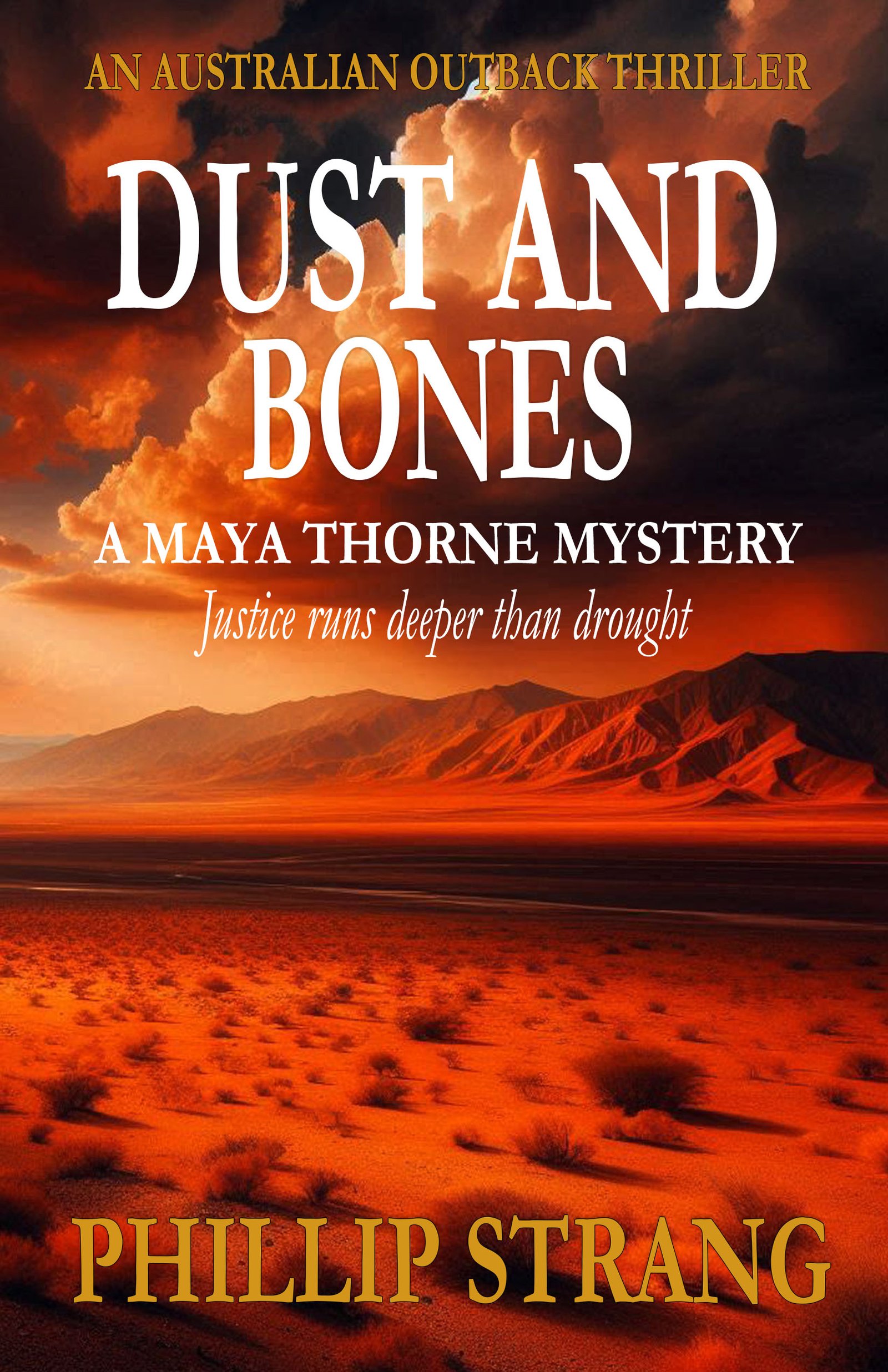
A MAYA THORNE MYSTERY
Get Dust and Bones Free
Justice runs deeper than drought.
Red dust. Shallow graves. A detective who hunts killers where the law runs thin and the nearest help is two hundred miles away.
Send Me the BookYou'll also receive occasional new release emails. Unsubscribe anytime. No spam, ever.
As an Amazon Associate, Phillip Strang earns from qualifying purchases. This page contains affiliate links — buying through them costs you nothing extra.