
Speaking at crime fiction festivals requires a different skill set than writing compelling procedurals or crafting tight thriller plots. The intimacy of connecting with readers who’ve invested in your characters demands authenticity, while the competitive nature of festival programming means you must deliver memorable content that distinguishes your voice from the dozen other authors sharing the stage that weekend.
Across eighteen series and more than 150 novels, I’ve found that successful festival speaking hinges less on natural charisma than on systematic preparation and understanding what readers actually want to hear. The authors who consistently draw audiences and generate book sales aren’t necessarily the most polished speakers—they’re the ones who’ve mastered the craft of translating their writing process into engaging conversation.
Preparing Material That Connects
Your festival preparation should mirror your plotting discipline. Just as you wouldn’t start a novel without knowing your opening hook and resolution, you shouldn’t approach a speaking engagement without prepared anecdotes that illuminate your creative process. Readers attend festivals to understand how their favorite stories came to life, not to hear generic advice about following dreams or overcoming rejection.
When I speak about developing the DCI Isaac Cook series, I focus on specific research challenges—how investigating actual London crime scenes influenced the authenticity of Isaac’s procedural methods, or why I chose to base his team dynamics on real Metropolitan Police structures. These concrete details resonate because they reveal the deliberate choices behind familiar fictional elements.
Prepare three categories of material: craft insights that apply broadly to crime fiction, specific examples from your own work, and industry observations about publishing trends. Festival audiences appreciate hearing about police procedural techniques or thriller pacing, but they remember the author who explains why they chose a particular murder method or setting.
My Approach to Festival Speaking
I treat festival appearances as extended conversations with readers rather than formal presentations. This means arriving with talking points, not scripts, and being prepared to adapt based on audience energy and interests. Before each event, I review my recent releases and note which elements sparked the most reader response—controversial character decisions, unexpected plot twists, or research discoveries that surprised even me.
For panel discussions, I listen actively to other authors’ responses and build on their points rather than waiting for my turn to deliver prepared remarks. When discussing the Australian setting challenges in the Maya Thorne series, I might reference how another panelist’s urban crime experience contrasts with outback investigation logistics. This creates genuine dialogue rather than parallel monologues.
Solo appearances require different energy management. I structure these around reader questions, but I come prepared with discussion starters about current projects, research adventures, or craft discoveries. The goal is making attendees feel like they’re getting insider access to your creative process, not attending a lecture about writing theory.
Stage Presence Without Performance
Effective festival presence emerges from confidence in your material, not theatrical presentation skills. Crime fiction readers, particularly those invested enough to attend festivals, possess sophisticated genre knowledge. They can distinguish between authentic insights and rehearsed platitudes immediately.
Your stage presence should reflect your authorial voice. If your novels feature understated humor, let that emerge naturally in your speaking style. If you write intense psychological thrillers, embrace serious discussion about character motivation and plot complexity. Attempting to adopt an artificial presentation persona creates disconnect between your written and spoken voice.
Practical presence techniques include maintaining eye contact with different audience sections, using purposeful movement rather than nervous pacing, and allowing comfortable pauses for audience processing. When discussing complex plot construction or character development, these pauses let listeners absorb information and formulate follow-up questions.
Common Mistakes That Undermine Authority
The most damaging mistake involves speaking in generalities rather than specifics. Saying your research involved reading police manuals sounds less compelling than explaining how you discovered that London’s Metropolitan Police use different interview techniques for domestic violence cases, and how that specificity shaped a crucial scene in your latest novel. Readers attend festivals for these precise insights they cannot find in writing blogs or general interviews.
Another frequent error involves overselling your work or making grandiose claims about your series’ uniqueness. Festival audiences have read extensively across the genre and quickly recognize when authors inflate their innovations. Instead of claiming your protagonist represents a completely new approach to detective fiction, explain the specific traits that distinguish them from similar characters and why those choices serve your narrative goals.
Many authors also underestimate their audience’s genre sophistication and spend excessive time explaining basic crime fiction elements. These readers understand the difference between procedurals and action thrillers. They want to hear about your specific contributions to these established forms, not receive introductory genre education.
Building Long-term Festival Relationships
Successful festival speaking creates ongoing relationships with event organizers, fellow authors, and dedicated readers. This requires approaching each appearance as part of a larger career strategy rather than isolated promotional opportunity. Consistency in your speaking quality and reliability in meeting commitments builds reputation within the festival circuit.
Develop relationships with festival organizers by being genuinely easy to work with—arriving prepared, respecting time constraints, and engaging positively with other scheduled authors. Many festivals book speakers based on recommendations from previous years’ participants. Authors who contribute to successful events get invited back and recommended for other festivals.
Follow up with readers who approach you after sessions, but avoid aggressive sales tactics. These conversations often provide valuable feedback about your work and insights into reader preferences that inform future writing decisions. The readers who attend festivals represent your most engaged audience segment, making their perspectives particularly valuable for career development.
Conclusion
Speaking at crime fiction festivals effectively requires the same systematic approach you bring to plotting novels—thorough preparation, authentic voice, and respect for your audience’s intelligence. Success comes from sharing genuine insights about your creative process rather than delivering polished presentations, and from building lasting relationships within the crime fiction community rather than focusing solely on immediate book sales.
About Phillip Strang
Phillip Strang is an Australian crime and thriller novelist. Across eighteen series and more than 150 novels, his work spans London police procedurals (DCI Isaac Cook), UK investigations (DI Tremayne), Australian outback crime (Maya Thorne), FBI thrillers (Alex Harlan), Scottish Highland mysteries (DI Sarah Lynch), and espionage (Steve Case). Learn more about Phillip or browse his complete catalogue on Amazon.
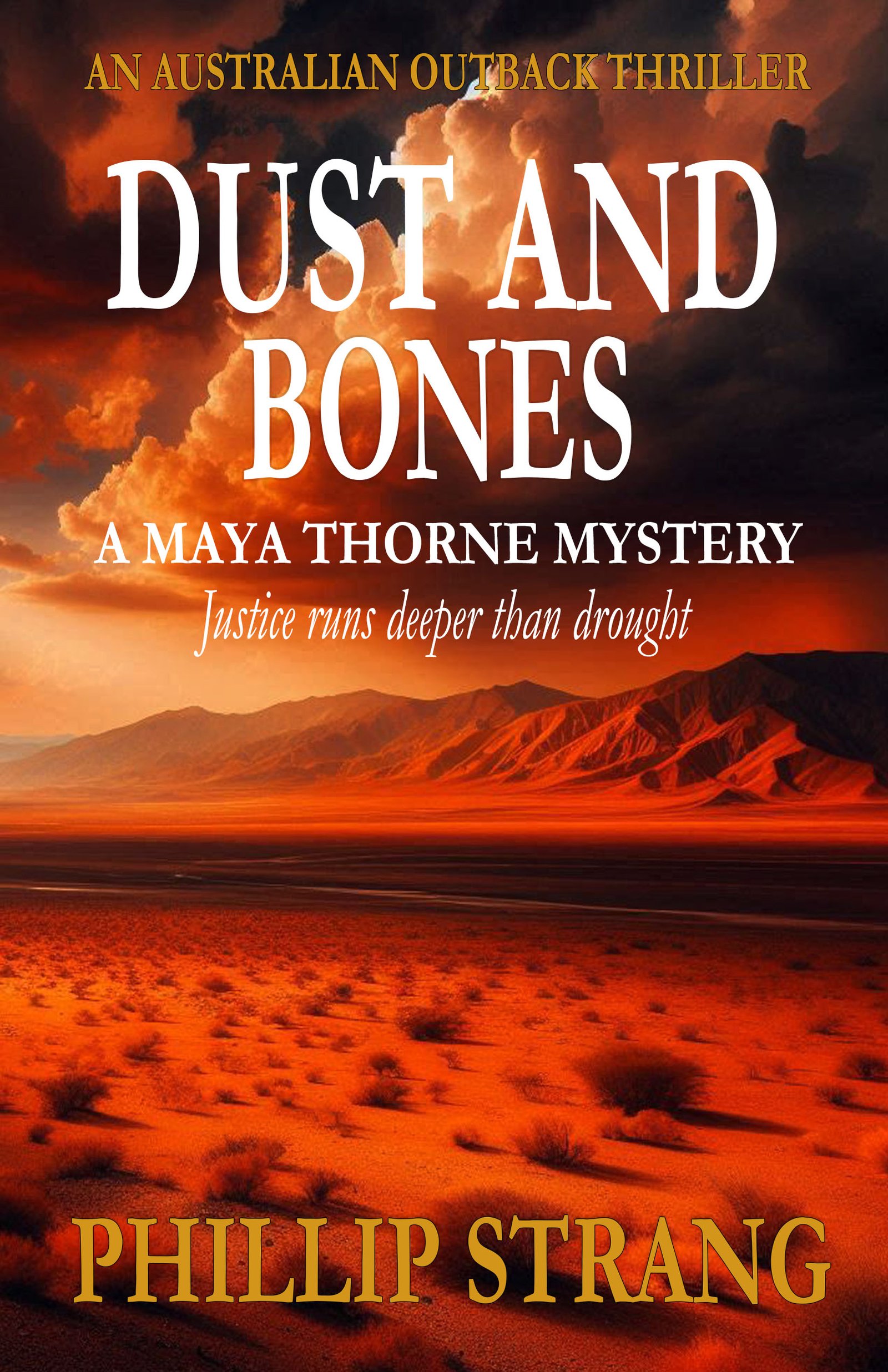
A MAYA THORNE MYSTERY
Get Dust and Bones Free
Justice runs deeper than drought.
Red dust. Shallow graves. A detective who hunts killers where the law runs thin and the nearest help is two hundred miles away.
Send Me the BookYou'll also receive occasional new release emails. Unsubscribe anytime. No spam, ever.
As an Amazon Associate, Phillip Strang earns from qualifying purchases. This page contains affiliate links — buying through them costs you nothing extra.