
The three-act structure gets pushed on crime writers like a universal cure-all, but does this Hollywood-born framework actually serve the unique demands of mystery, thriller, and procedural fiction? Most writing guides treat it as gospel, yet many successful crime novels break its rules without consequence.
Across eighteen series and more than 150 novels, I have found that the three-act structure can be more hindrance than help when writing crime fiction. The genre’s specific requirements—clue placement, red herrings, investigation rhythms, and revelation timing—often clash with the rigid percentages and turning points that three-act proponents insist upon.
Why Crime Fiction Resists Three-Act Constraints
Crime fiction operates on investigation logic, not dramatic logic. A murder occurs, clues emerge, suspects are questioned, evidence accumulates, and truth reveals itself through methodical process. This natural flow rarely aligns with the prescribed 25%-50%-25% act divisions that screenwriting imported into novel structure.
In my DCI Isaac Cook series, the investigation often takes unexpected turns based on evidence discovery rather than arbitrary plot points. When Cook uncovers a crucial piece of forensic evidence in chapter twelve, I cannot delay its impact until the ‘proper’ second act turning point arrives. The story’s integrity demands I follow the investigation’s natural momentum.
The three-act model assumes a single protagonist’s journey with clear beginning, middle, and end. Crime fiction frequently juggles multiple perspectives: the detective, the killer, witnesses, family members. These interwoven viewpoints create their own structural demands that resist neat compartmentalization into three acts.
The Investigation Rhythm Alternative
Crime fiction follows investigation rhythms instead of dramatic acts. These rhythms include the initial crime discovery, evidence gathering, suspect identification, false leads, breakthrough moments, confrontation, and resolution. Unlike three-act structure, these elements can vary in length and intensity based on story needs.
Consider how police procedural novels actually unfold. The crime might occur in chapter one or be discovered gradually. Evidence accumulation rarely follows predictable patterns. Breakthroughs happen when they serve the investigation, not when act structure demands them.
My DI Tremayne investigations demonstrate this flexibility. Some cases crack open early when Tremayne spots an obvious lie, while others require patient evidence building across multiple interrogation sessions. The story structure adapts to the investigation’s natural flow rather than forcing artificial act divisions.
How I Actually Structure Crime Novels
I work with what I call ‘revelation sequences’ rather than acts. Each sequence builds toward a specific discovery or understanding that advances the investigation. Some sequences are short—a single chapter revealing a crucial alibi. Others extend across multiple chapters as complex evidence patterns emerge.
The opening sequence establishes the crime and investigative team. Subsequent sequences follow evidence trails, each ending with either breakthrough or dead end. The structure remains fluid, expanding or contracting based on story needs rather than predetermined percentages.
In my Maya Thorne outback crime series, the isolation and harsh environment create their own structural demands. Thorne might spend several chapters pursuing a lead across difficult terrain, then crack the case quickly once she reaches her destination. The three-act structure would force artificial pacing that fights against the story’s natural rhythm.
Common Structural Mistakes Crime Writers Make
The biggest mistake is forcing crime fiction into inappropriate structural frameworks. Writers waste energy trying to identify their ‘inciting incident’ when the crime itself clearly serves this function. They agonize over act two midpoint reversals when their investigation naturally produces multiple turning points.
Another error is treating revelations as plot devices rather than investigation outcomes. Three-act thinking encourages writers to withhold information until structurally ‘appropriate’ moments, creating artificial pacing that frustrates readers who expect logical investigation flow.
Many writers also misunderstand the crime fiction climax. It is not a dramatic confrontation but the moment when accumulated evidence reveals the truth. The physical apprehension of the perpetrator often serves as denouement rather than climax, contrary to three-act expectations.
Overemphasis on character arcs also derails crime fiction. While character development matters, the investigation must drive the story. Writers who prioritize personal growth arcs over investigative logic often produce unsatisfying mysteries where action thriller novels might serve them better.
When Three-Act Structure Actually Works
The three-act structure does serve certain types of crime fiction, particularly character-driven thrillers where the protagonist’s personal journey dominates the investigation. Psychological thrillers exploring the detective’s inner demons while solving cases can benefit from traditional dramatic structure.
Serial killer thrillers often work well with three-act frameworks because they typically focus on cat-and-mouse games between detective and killer. The escalating confrontation suits dramatic structure better than methodical investigation.
Espionage fiction frequently adapts three-act structure successfully because spy stories blend crime elements with adventure and action. The mission-based nature of espionage creates natural act divisions that crime investigations resist.
Conclusion
Crime fiction succeeds when it honors investigation logic over imposed structural frameworks. While understanding three-act principles helps any writer, blindly applying them to mystery and thriller writing often weakens the very elements that make crime fiction compelling: methodical detection, logical evidence accumulation, and satisfying revelation of truth.
About Phillip Strang
Phillip Strang is an Australian crime and thriller novelist. Across eighteen series and more than 150 novels, his work spans London police procedurals (DCI Isaac Cook), UK investigations (DI Tremayne), Australian outback crime (Maya Thorne), FBI thrillers (Alex Harlan), Scottish Highland mysteries (DI Sarah Lynch), and espionage (Steve Case). Learn more about Phillip or browse his complete catalogue on Amazon.
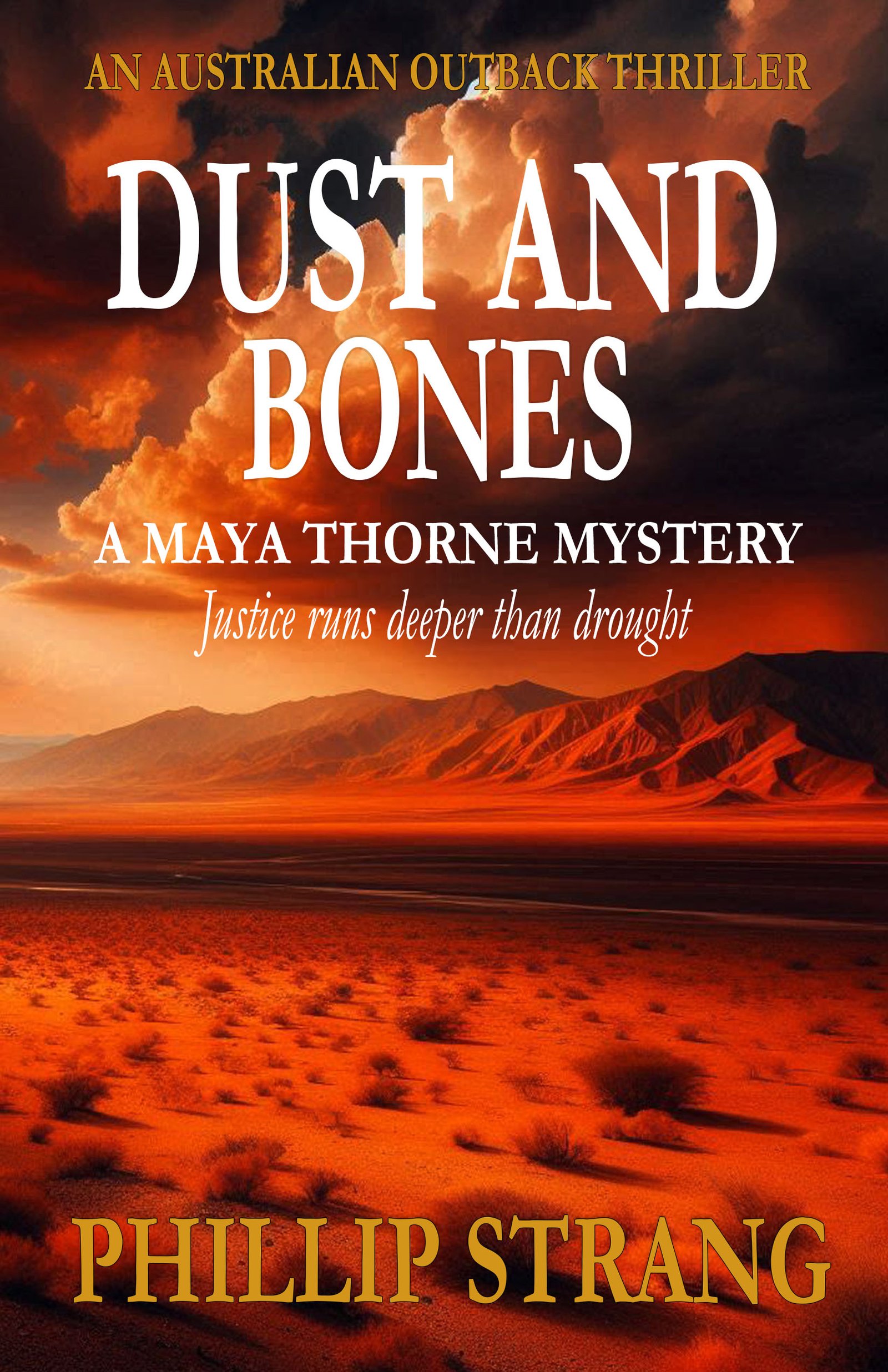
A MAYA THORNE MYSTERY
Get Dust and Bones Free
Justice runs deeper than drought.
Red dust. Shallow graves. A detective who hunts killers where the law runs thin and the nearest help is two hundred miles away.
Send Me the BookYou'll also receive occasional new release emails. Unsubscribe anytime. No spam, ever.
As an Amazon Associate, Phillip Strang earns from qualifying purchases. This page contains affiliate links — buying through them costs you nothing extra.