
The unreliable narrator in crime fiction presents one of the most challenging yet rewarding narrative devices a writer can employ. When executed properly, it transforms a straightforward mystery into a psychological maze where readers question not just whodunnit, but whether they can trust the very voice guiding them through the investigation.
The fundamental challenge lies in walking the razor’s edge between genuine misdirection and reader manipulation. Across eighteen series and more than 150 novels, I’ve found that the most effective unreliable narrators aren’t simply liars—they’re complex characters whose distorted perceptions feel authentic and inevitable once the truth emerges.
Building Authentic Credibility Before the Fall
The key to a successful unreliable narrator begins with making them genuinely likeable and trustworthy in the opening chapters. This isn’t about superficial charm—it’s about creating a voice that feels honest about small, verifiable details while concealing larger truths. When I developed the narrator for one of my psychological thrillers, I spent considerable time establishing their expertise in police procedure and their apparent dedication to justice. Readers needed to believe this character was someone who could solve crimes before discovering they might be the one who committed them.
The narrator must demonstrate competence in areas unrelated to their deception. If they’re hiding their involvement in a murder, they should still accurately describe the layout of crime scenes, correctly identify forensic evidence, and show genuine insight into criminal psychology. This selective honesty creates the foundation of trust that makes the eventual revelation both shocking and believable.
The Architecture of Misdirection
Effective misdirection in crime fiction requires careful architectural planning. Every piece of withheld information must serve the story’s ultimate revelation while still allowing readers to piece together clues in retrospect. The narrator can omit crucial details, but they cannot outright fabricate evidence that other characters would contradict.
In my DCI Isaac Cook series, I’ve experimented with witnesses whose trauma has genuinely altered their perception of events. Their unreliability stems not from deliberate deception but from psychological defense mechanisms. This approach feels more honest because the character isn’t consciously lying to readers—they’re lying to themselves. The distinction matters enormously in maintaining reader sympathy even after the truth emerges.
The most sophisticated unreliable narrators reveal their nature through what they emphasize rather than what they omit. A guilty narrator might spend excessive time analyzing other suspects’ motives, unconsciously projecting their own guilt onto others. They might demonstrate unusually detailed knowledge about crime scenes they claim to have only heard about secondhand.
My Working Approach to Unreliable Narration
When crafting an unreliable narrator, I begin by writing the story from an omniscient perspective first. This complete version includes all the hidden truths, the real timeline of events, and the narrator’s actual motivations. Only then do I rewrite from the narrator’s distorted viewpoint, carefully choosing which elements to obscure, minimize, or reframe.
I maintain a detailed timeline document that tracks both the ‘official’ version of events as presented by the narrator and the hidden reality. This dual tracking prevents continuity errors that would break the illusion. Every conversation, every piece of evidence, every character interaction must work on both levels of the story.
The narrator’s voice requires particular attention to psychological authenticity. In one of my Australian outback crime novels featuring Maya Thorne, I worked with a secondary character whose PTSD from a previous case colored their interpretation of new evidence. Their unreliability wasn’t malicious—it was the natural result of unprocessed trauma affecting their judgment. This psychological foundation made their skewed perspective feel genuine rather than artificially constructed for plot purposes.
Common Pitfalls That Destroy Reader Trust
The most damaging mistake involves having the unreliable narrator present completely false information that other characters should logically contradict. If your narrator claims Detective Smith said ‘The victim was shot twice’ but Smith later references three gunshot wounds without explanation, you’ve created a plot hole rather than clever misdirection. Among the best police procedural novels, the unreliable elements always respect the procedural framework rather than contradicting it.
Another fatal error is making the narrator’s deception feel arbitrary or motivated purely by plot convenience. When readers discover the truth, they should think ‘Of course—that explains everything’ rather than ‘That makes no sense.’ The revelation must recontextualize earlier scenes rather than invalidating them completely.
Writers often fall into the trap of making their unreliable narrator too obviously suspicious. Excessive defensiveness, constantly changing details, or overly detailed explanations of their whereabouts signal unreliability too early. The best unreliable narrators feel natural and conversational, revealing their nature through subtle inconsistencies rather than glaring red flags.
Timing the revelation requires delicate judgment. Too early, and the remaining story lacks tension. Too late, and readers feel cheated by the sudden shift. The sweet spot usually occurs at the seventy-five percent mark, allowing enough remaining story to explore the implications while avoiding a rushed conclusion.
Advanced Techniques for Psychological Authenticity
The most sophisticated unreliable narrators operate on multiple levels of self-deception. They might be honest about their emotional responses while lying about their actions, or accurate about facts while completely misunderstanding their significance. This layered approach creates characters who feel psychologically complex rather than simply duplicitous.
Consider using the narrator’s professional background to justify their credibility in some areas while creating blind spots in others. A forensic accountant might accurately trace financial crimes while completely misreading interpersonal relationships. A veteran detective might have sound investigative instincts while being unreliable about their own involvement due to alcohol-related blackouts.
The unreliable narrator works particularly well in experimental narrative structures that can support non-linear revelations. Fragmented timelines, multiple perspectives, or diary-style entries allow for more sophisticated misdirection techniques while maintaining psychological realism.
Respecting Your Readers While Deceiving Them
The ethical dimension of unreliable narration in crime fiction centers on fair play with readers. Every clue necessary to solve the mystery must be present, even if filtered through the narrator’s distorted lens. Readers should be able to identify the narrator’s unreliability on a second reading, discovering subtle hints they missed initially.
Language patterns often betray unreliable narrators more effectively than contradictory facts. Overuse of qualifying phrases like ‘I believe’ or ‘as far as I remember’ can signal uncertainty. Conversely, unnaturally precise details about supposedly traumatic events might indicate rehearsed deception. These linguistic tells must be consistent with the character’s psychology and background.
The most successful unreliable narrators maintain reader sympathy even after their deception is revealed. This requires making their motivations understandable, if not forgivable. Whether driven by trauma, desperation, or misguided loyalty, their reasons for lying must feel human rather than purely evil. This emotional complexity distinguishes literary crime fiction from simple puzzle-solving mysteries.
Conclusion
Mastering the unreliable narrator in crime fiction requires balancing deception with authenticity, misdirection with fair play, and psychological complexity with narrative coherence. When executed successfully, it elevates genre fiction into literature that examines the nature of truth itself.
About Phillip Strang
Phillip Strang is an Australian crime and thriller novelist. Across eighteen series and more than 150 novels, his work spans London police procedurals (DCI Isaac Cook), UK investigations (DI Tremayne), Australian outback crime (Maya Thorne), FBI thrillers (Alex Harlan), Scottish Highland mysteries (DI Sarah Lynch), and espionage (Steve Case). Learn more about Phillip or browse his complete catalogue on Amazon.
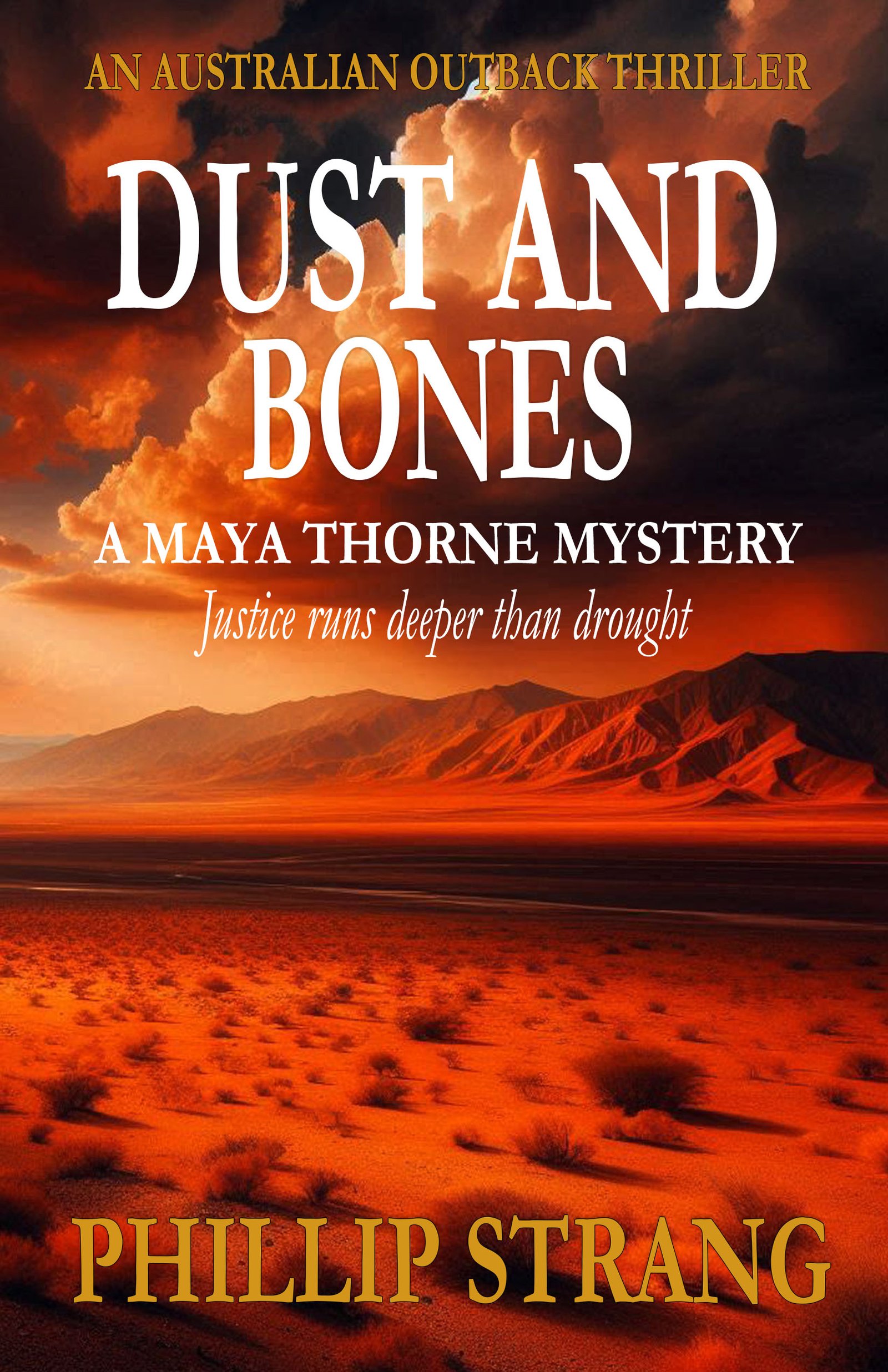
A MAYA THORNE MYSTERY
Get Dust and Bones Free
Justice runs deeper than drought.
Red dust. Shallow graves. A detective who hunts killers where the law runs thin and the nearest help is two hundred miles away.
Send Me the BookYou'll also receive occasional new release emails. Unsubscribe anytime. No spam, ever.
As an Amazon Associate, Phillip Strang earns from qualifying purchases. This page contains affiliate links — buying through them costs you nothing extra.