
The autopsy report scene sits at the intersection of clinical precision and emotional devastation, where cold medical facts must somehow ignite the fire that drives your protagonist forward. Most writers either drown readers in technical jargon or skate over the surface with vague generalities, missing the scene’s real power entirely.
Across eighteen series and more than 150 novels, I’ve learned that the autopsy report scene isn’t about the corpse—it’s about the living characters who must process what the dead body reveals. The medical examiner’s findings become ammunition, revelation, or crushing disappointment, but only if you understand how to load the scene with stakes that matter to your story’s momentum.
The Technical-Emotional Balance
Every autopsy scene walks a tightrope between authenticity and accessibility. Readers expect accuracy, but they’re not medical students. The key lies in filtering technical details through your protagonist’s understanding and emotional response. When DCI Isaac Cook reviews a post-mortem report, he focuses on elements that advance his investigation—time of death, cause of death, evidence of struggle—while the pathologist’s more esoteric observations fade into background noise.
I’ve found that anchoring medical terminology in visual language works better than straight clinical description. Rather than listing liver mortis patterns, show how the discoloration tells a story about the victim’s final hours. Transform rigor mortis into a timeline that either confirms or destroys your detective’s theory. The best police procedural novels treat forensic evidence as puzzle pieces, not medical textbook entries.
The emotional temperature rises when technical findings contradict assumptions. If your detective believed they were chasing a crime of passion, the pathologist’s revelation of methodical precision in the killing changes everything. That’s where cold information generates hot stakes.
Character Reactions Drive the Scene
Your protagonist’s response to autopsy findings reveals character while advancing plot. A seasoned detective like my DI Tremayne processes brutal details with professional detachment, but even he has triggers—cases involving children, or methods that echo personal traumas. These moments of vulnerability humanize hardened characters without making them unrealistic.
New detectives might struggle with graphic descriptions, providing natural opportunities for exposition as more experienced colleagues explain significance. But avoid the rookie-asking-obvious-questions trap. Instead, let their inexperience show through misplaced focus or emotional reactions that veterans have learned to control.
The pathologist’s delivery style also shapes the scene’s tone. Some medical examiners stick to clinical facts; others add interpretation or speculation. This personality choice affects how information lands with your protagonist and readers. In my Maya Thorne series, the outback setting means working with overworked coroners who deliver findings with frontier bluntness, quite different from the polished specialists in urban settings.
What the Dead Body Actually Tells You
Autopsy findings must serve story function beyond mere cause of death. Time of death can shatter alibis or create new ones. Evidence of defensive wounds suggests victim awareness and struggle. The absence of expected trauma might indicate the victim knew their killer. Toxicology results can reveal premeditation or point toward specific suspect pools with access to unusual substances.
Physical evidence from the body—skin under fingernails, fiber samples, distinctive marks—should connect to investigative threads you’re already weaving. If the pathologist discovers the victim had been drugged, someone in your story needs access to that drug. If bite marks appear, dental records become relevant. Every forensic detail must earn its place by advancing or complicating the investigation.
The key is selectivity. Real autopsies generate dozens of measurements, observations, and test results. Your fictional version should highlight only findings that matter to your specific story. This isn’t about comprehensive realism; it’s about dramatic effectiveness using realistic details.
How I Actually Write These Scenes
I start by determining what the autopsy needs to accomplish story-wise before writing a single word of medical dialogue. Does it confirm suspicions, reveal surprises, or send the investigation in a new direction? That function determines which details to emphasize and how characters should react.
Then I consider the setting and participants. A rushed preliminary report delivered over the phone creates different dramatic possibilities than a formal meeting in the morgue. The pathologist’s relationship with your detective—professional courtesy, mutual respect, or barely-contained irritation—colors how information gets shared.
I write the medical findings first in straightforward, clinical language, then layer in character reactions and dialogue. This ensures the facts remain clear while emotional responses enhance rather than obscure crucial information. The best noir crime thriller novels often use autopsy scenes to deepen the story’s dark atmosphere, but never at the expense of narrative clarity.
Finally, I read the scene aloud to catch any passages where technical detail overwhelms forward momentum. If I find myself skimming my own medical descriptions, readers certainly will.
Common Mistakes to Avoid
The biggest error is treating the autopsy scene as an information dump where the pathologist recites findings while your detective nods and takes notes. This creates dead space in your narrative. Instead, let discoveries unfold through dialogue and reaction. ‘The victim was struck three times’ becomes more powerful when the pathologist shows your detective the wound patterns and explains what the progression suggests about the killer’s state of mind.
Another frequent mistake involves unrealistic autopsy results that serve plot convenience rather than medical possibility. Bodies don’t preserve evidence perfectly, and time-of-death estimates come with margins of error. If your story requires precise forensic timing, build in realistic uncertainties that create investigative challenges rather than easy answers.
Don’t let your detective become a passive recipient of information. They should ask follow-up questions, request clarification, or challenge findings that seem inconsistent with other evidence. This creates more dynamic scenes while demonstrating investigative thinking. When my Alex Harlan questions FBI forensic specialists, his military background shapes which details he notices and how he interprets physical evidence.
Finally, avoid emotional extremes that don’t match your character’s experience level. Veteran detectives won’t be sickened by routine autopsy findings, while complete newcomers shouldn’t display unrealistic stoicism. Match reactions to character backgrounds and story context.
Conclusion
The autopsy report scene succeeds when medical facts become emotional and investigative catalysts rather than simple information transfer. Master this balance, and you’ll transform potentially dry forensic exposition into compelling story moments that honor both procedural authenticity and dramatic necessity.
About Phillip Strang
Phillip Strang is an Australian crime and thriller novelist. Across eighteen series and more than 150 novels, his work spans London police procedurals (DCI Isaac Cook), UK investigations (DI Tremayne), Australian outback crime (Maya Thorne), FBI thrillers (Alex Harlan), Scottish Highland mysteries (DI Sarah Lynch), and espionage (Steve Case). Learn more about Phillip or browse his complete catalogue on Amazon.
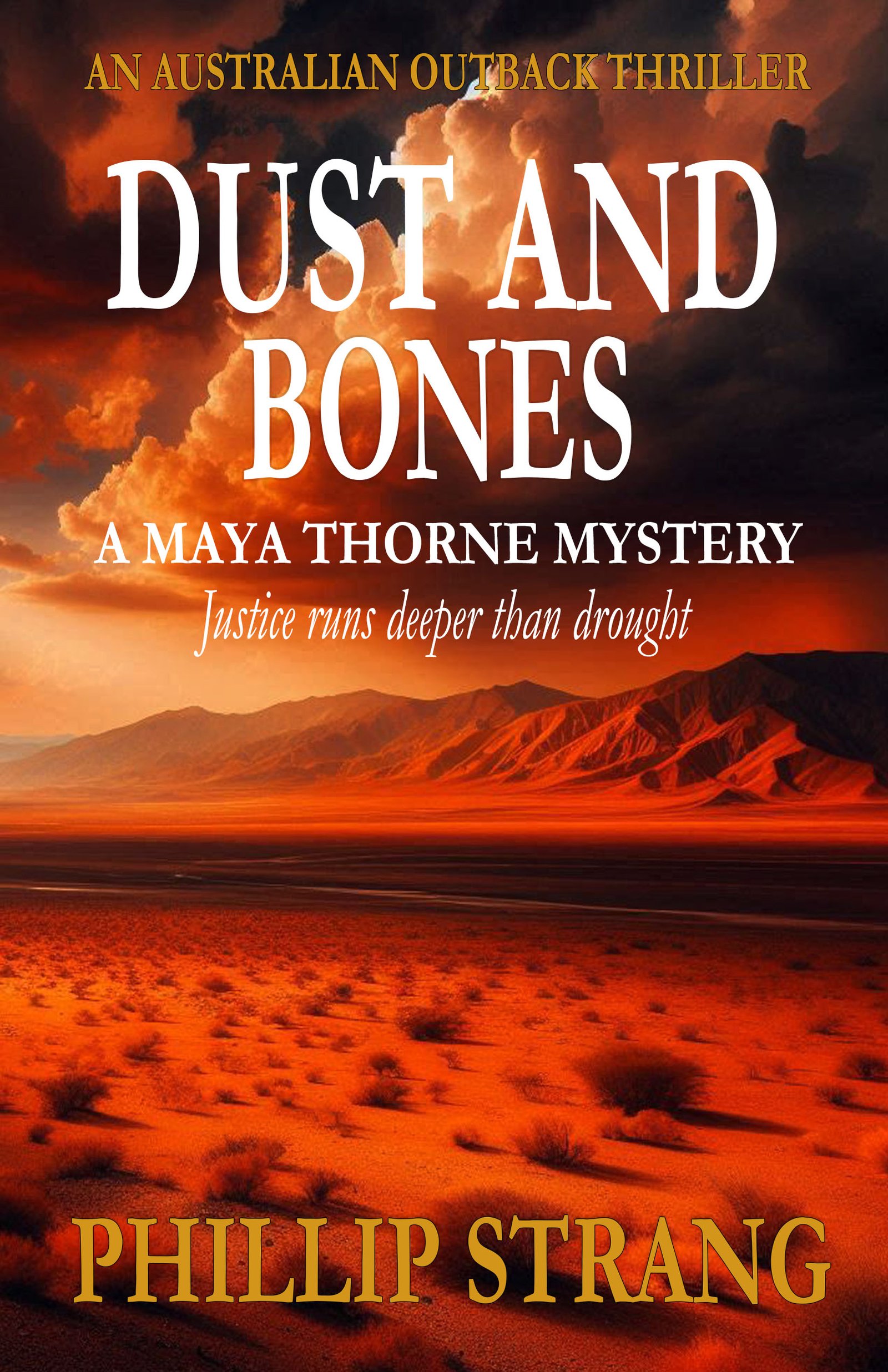
A MAYA THORNE MYSTERY
Get Dust and Bones Free
Justice runs deeper than drought.
Red dust. Shallow graves. A detective who hunts killers where the law runs thin and the nearest help is two hundred miles away.
Send Me the BookYou'll also receive occasional new release emails. Unsubscribe anytime. No spam, ever.
As an Amazon Associate, Phillip Strang earns from qualifying purchases. This page contains affiliate links — buying through them costs you nothing extra.