
The moment your detective finally sees the pattern represents the most crucial turning point in any crime novel. This isn’t simply another clue falling into place—it’s the scene where scattered fragments suddenly form a coherent picture, transforming your protagonist from someone reacting to events into someone who can finally act with purpose and direction.
Across eighteen series and more than 150 novels, I’ve learned that this breakthrough scene can make or break your entire narrative structure. Get it wrong, and readers feel cheated by an unearned revelation. Get it right, and you create that satisfying ‘aha’ moment that transforms everything your reader thought they understood about the case.
The Anatomy of Recognition
The breakthrough scene operates on multiple levels simultaneously. On the surface, it’s about your detective connecting previously unrelated evidence. Beneath that, it’s about the reader experiencing their own moment of recognition—not necessarily seeing the solution, but recognizing that the detective has genuinely earned this insight through the groundwork you’ve laid.
In my police procedural work, particularly with DCI Isaac Cook, I’ve found that the most effective breakthrough moments stem from emotional rather than purely logical triggers. Cook might suddenly understand the killer’s pattern not because he’s found another piece of physical evidence, but because something about a witness’s mannerisms reminds him of how the victims were positioned. The logic was always there—the emotional connection makes it visible.
This emotional component separates genuine breakthrough scenes from mere information dumps. Your detective isn’t just processing data; they’re having a moment of human understanding about another human being’s twisted psychology or desperate circumstances.
How I Actually Build These Scenes
When I’m constructing a breakthrough scene, I work backwards from the revelation. I know what my detective needs to understand, so I map out every piece of evidence and every character interaction that has led to this moment. The key is ensuring that at least three separate elements—evidence, witness behavior, and case circumstances—all point toward the same conclusion.
I then plant what I call ‘recognition anchors’ throughout the earlier scenes. These are specific details that seem incidental when first encountered but become significant in retrospect. In my Maya Thorne series, set in the Australian outback, I might have Maya notice how a suspect keeps checking his watch during their first interview. That detail sits quietly until the breakthrough scene, when she realizes the timing obsession connects to how the crimes were committed.
The actual writing of the breakthrough scene requires careful pacing. I typically use a three-beat structure: first, the trigger moment that sparks recognition; second, the rapid mental connections as pieces fall into place; third, the detective’s immediate action based on this new understanding. This isn’t a scene for lengthy internal monologue—it’s about momentum and urgency.
Avoiding the Information Avalanche
The most common mistake I see in breakthrough scenes is the dreaded exposition dump where the detective suddenly explains everything in tedious detail. This happens when writers confuse the breakthrough scene with the final explanation scene. They’re completely different animals serving different purposes.
Another frequent error is the miraculous leap—where your detective makes connections that aren’t properly supported by the evidence you’ve shown. I’ve read manuscripts where the detective suddenly ‘realizes’ crucial information that was never actually presented to them or the reader. This feels like cheating because it is cheating.
Equally problematic is the delayed breakthrough, where you have your detective see the pattern but then spend several chapters doing other things before acting on it. Once your detective understands the pattern, the story’s energy demands forward movement. Any delay better serve a compelling dramatic purpose, not just the author’s need to fill pages.
The breakthrough scene also isn’t the place for your detective to solve everything at once. They should see the pattern clearly enough to know what kind of person they’re hunting and roughly how that person operates, but specific details like exact identity or next target can remain unclear. Save something for the climax.
The Reader’s Journey Through Discovery
Your breakthrough scene succeeds when readers experience their own parallel moment of recognition. They might not see the full solution, but they should recognize that your detective has genuinely earned this insight. This requires you to play fair with information throughout the story.
I’ve found that the most satisfying breakthrough scenes give readers about seventy percent of what they need to follow the detective’s reasoning. They can see how A connects to B and B connects to C, even if they don’t immediately grasp what D represents. This maintains the mystery while respecting the reader’s intelligence.
The emotional weight of the breakthrough scene often comes from understanding the human cost of the pattern. In my thriller work with Alex Harlan, the FBI agent’s breakthrough moments frequently involve recognizing not just what the suspect has done, but what drove them to it. This adds moral complexity that elevates the scene beyond simple puzzle-solving.
Timing and Structural Placement
The breakthrough scene typically belongs in the final quarter of your book, but not the final tenth. You need enough space afterward for your detective to act on their new understanding while maintaining story tension. Place it too early, and you deflate suspense. Too late, and the story feels rushed.
I position these scenes to coincide with moments when the stakes are already elevated. The detective doesn’t casually figure things out while having morning coffee—they see the pattern when pressure is mounting, when time is running short, when the next victim might already be chosen. This timing makes the breakthrough feel urgent rather than academic.
The scene should also represent genuine character growth for your detective. They’re not just solving a puzzle; they’re understanding something about human nature, about their own assumptions, or about the world they’re trying to protect. In my DI Tremayne series, these moments often reveal as much about Tremayne’s developing worldview as they do about the case itself.
The Aftermath Momentum
What happens immediately after your detective sees the pattern determines whether your breakthrough scene truly works. The revelation should propel them into decisive action, armed with new purpose and direction. This isn’t the time for hesitation or second-guessing—your detective now knows enough to move forward, even if they don’t know everything.
The tone shifts here from investigation to pursuit, from reactive to proactive. Your detective is no longer following the killer’s agenda; they’re imposing their own. This shift should be palpable in your prose rhythm and scene construction. Shorter sentences, more active verbs, less internal reflection, more external action.
I’ve learned that readers judge the entire investigation plot by how convincingly this breakthrough moment plays out. It’s where all your careful plotting and character development either pays off or falls flat. When it works, readers trust you’ve earned the right to drive them toward your conclusion.
Conclusion
The breakthrough scene where your detective finally sees the pattern represents the culmination of everything you’ve built throughout your story. It’s not just about revealing information—it’s about transforming your detective from someone who reacts to events into someone who can shape them. When written with proper preparation and emotional weight, this scene provides the momentum that carries readers through your story’s final act.
About Phillip Strang
Phillip Strang is an Australian crime and thriller novelist. Across eighteen series and more than 150 novels, his work spans London police procedurals (DCI Isaac Cook), UK investigations (DI Tremayne), Australian outback crime (Maya Thorne), FBI thrillers (Alex Harlan), Scottish Highland mysteries (DI Sarah Lynch), and espionage (Steve Case). Learn more about Phillip or browse his complete catalogue on Amazon.
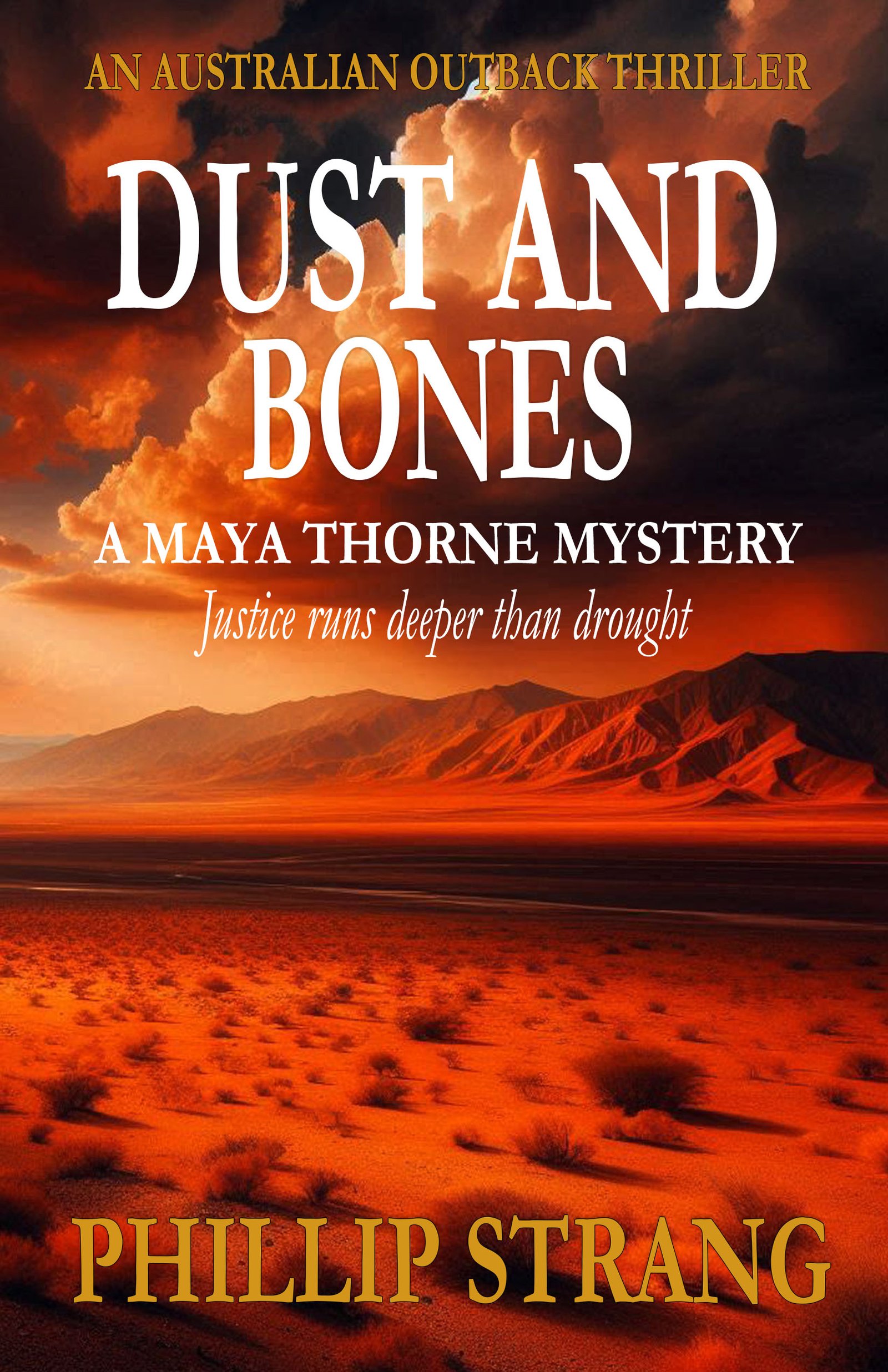
A MAYA THORNE MYSTERY
Get Dust and Bones Free
Justice runs deeper than drought.
Red dust. Shallow graves. A detective who hunts killers where the law runs thin and the nearest help is two hundred miles away.
Send Me the BookYou'll also receive occasional new release emails. Unsubscribe anytime. No spam, ever.
As an Amazon Associate, Phillip Strang earns from qualifying purchases. This page contains affiliate links — buying through them costs you nothing extra.