
The British police procedural operates within a rigid framework of conventions that readers expect and publishers demand. These aren’t arbitrary rules but hard-earned traditions that distinguish authentic UK police fiction from generic crime stories wearing a thin veneer of British setting.
Across eighteen series and more than 150 novels I have found that successful British police procedurals respect certain immutable conventions while finding fresh angles within those constraints. The challenge isn’t breaking these rules but mastering them so completely that innovation feels natural rather than forced.
Hierarchy and Chain of Command
British police procedurals live or die on their accurate portrayal of rank structure and operational hierarchy. Detective Chief Inspectors don’t chase suspects down alleys—Detective Constables do. DCIs coordinate, delegate, and absorb pressure from above while protecting their teams from political interference. This isn’t bureaucratic window dressing but the engine that drives procedural tension.
In my DCI Isaac Cook series, Cook’s effectiveness stems from his ability to navigate both criminal investigation and departmental politics. He interviews key suspects personally but delegates surveillance and evidence gathering to his team. This division of labor isn’t just realistic—it creates multiple story threads and allows different characters to shine in their areas of expertise.
The mistake many writers make is treating hierarchy as limitation rather than opportunity. Rank creates conflict, establishes stakes, and provides natural story structure. When a DS questions a DI’s judgment, that tension drives scenes forward more effectively than any external threat.
Procedural Authenticity Without Tedium
Real police work involves extensive paperwork, endless meetings, and bureaucratic delays. Readers want authenticity but not tedium. The art lies in selecting which procedural elements serve the story and which can be compressed or eliminated entirely.
PACE (Police and Criminal Evidence Act) regulations, custody time limits, and evidence chain requirements aren’t obstacles to overcome but tools for creating suspense. When your detective has twenty-four hours before releasing a suspect, every interview question carries weight. When evidence collection protocols are compromised, the entire case hangs in balance.
I’ve found that readers respond to procedural details when those details create problems for characters. The detective who cuts corners faces consequences. The one who follows procedure religiously sometimes loses the case but keeps their integrity. Both approaches generate story tension when grounded in authentic practice.
Geographic and Social Authenticity
British police procedurals succeed through specific sense of place that goes beyond tourist landmarks and regional accents. Each location brings distinct social dynamics, crime patterns, and investigative challenges. London’s Metropolitan Police operate differently from rural constabularies not just in resources but in approach and community relationships.
My DI Tremayne works in rural England where everyone knows everyone, making both investigation and concealment more complex. Witnesses clam up not from fear but from loyalty. Suspects can’t disappear into urban anonymity. These constraints force different investigative strategies than those used by Isaac Cook in London’s anonymous sprawl.
The key is understanding how geography shapes both crime and investigation. Coastal areas deal with smuggling. Industrial cities face organized labor disputes. Rural communities wrestle with generational secrets. These aren’t background details but story engines that drive plot and character development.
My Working Approach to Convention and Innovation
When I begin a new British police procedural, I start with the crime but immediately consider which conventions will serve the story and which might need subtle adjustment. Every procedural element must earn its place through dramatic necessity, not obligation to genre expectations.
I research current practice but remember that fiction serves story first, documentation second. If modern forensics would solve the mystery too quickly, I find realistic reasons for delays or complications rather than ignoring forensics entirely. Equipment fails, labs get backlogged, and chain of custody issues arise—all authentic problems that preserve story tension.
The most successful approach I’ve developed is treating conventions as starting points rather than limitations. Readers expect a certain investigation rhythm, specific relationship dynamics between ranks, and recognizable procedural milestones. Meeting these expectations creates trust that allows for innovation in character development, plot structure, and thematic exploration.
Common Pitfalls That Undermine Authenticity
The gravest error in British police procedurals is treating rank as cosmetic rather than functional. Writers who have their DCI personally conducting routine interviews or their DC making major strategic decisions betray fundamental misunderstanding of how police hierarchy operates. Rank determines authority, responsibility, and operational role.
Another frequent mistake involves American police procedures dressed up in British terminology. Miranda rights become cautions, but the underlying approach remains distinctly American—aggressive, confrontational, individualistic. British policing tradition emphasizes community relations and collaborative investigation methods that differ markedly from American police culture portrayed in television and film.
Perhaps most damaging is the tendency to use procedural elements as story obstacles rather than story engines. When regulations exist only to frustrate protagonists rather than create authentic investigative challenges, readers sense the manipulation. Effective procedural fiction makes constraints feel natural and necessary rather than arbitrary and imposed.
Conclusion
British police procedural conventions endure because they reflect genuine operational realities that create natural story structure and character conflict. Master these conventions first, then find your unique angle within them rather than attempting to circumvent or ignore them entirely.
About Phillip Strang
Phillip Strang is an Australian crime and thriller novelist. Across eighteen series and more than 150 novels, his work spans London police procedurals (DCI Isaac Cook), UK investigations (DI Tremayne), Australian outback crime (Maya Thorne), FBI thrillers (Alex Harlan), Scottish Highland mysteries (DI Sarah Lynch), and espionage (Steve Case). Learn more about Phillip or browse his complete catalogue on Amazon.
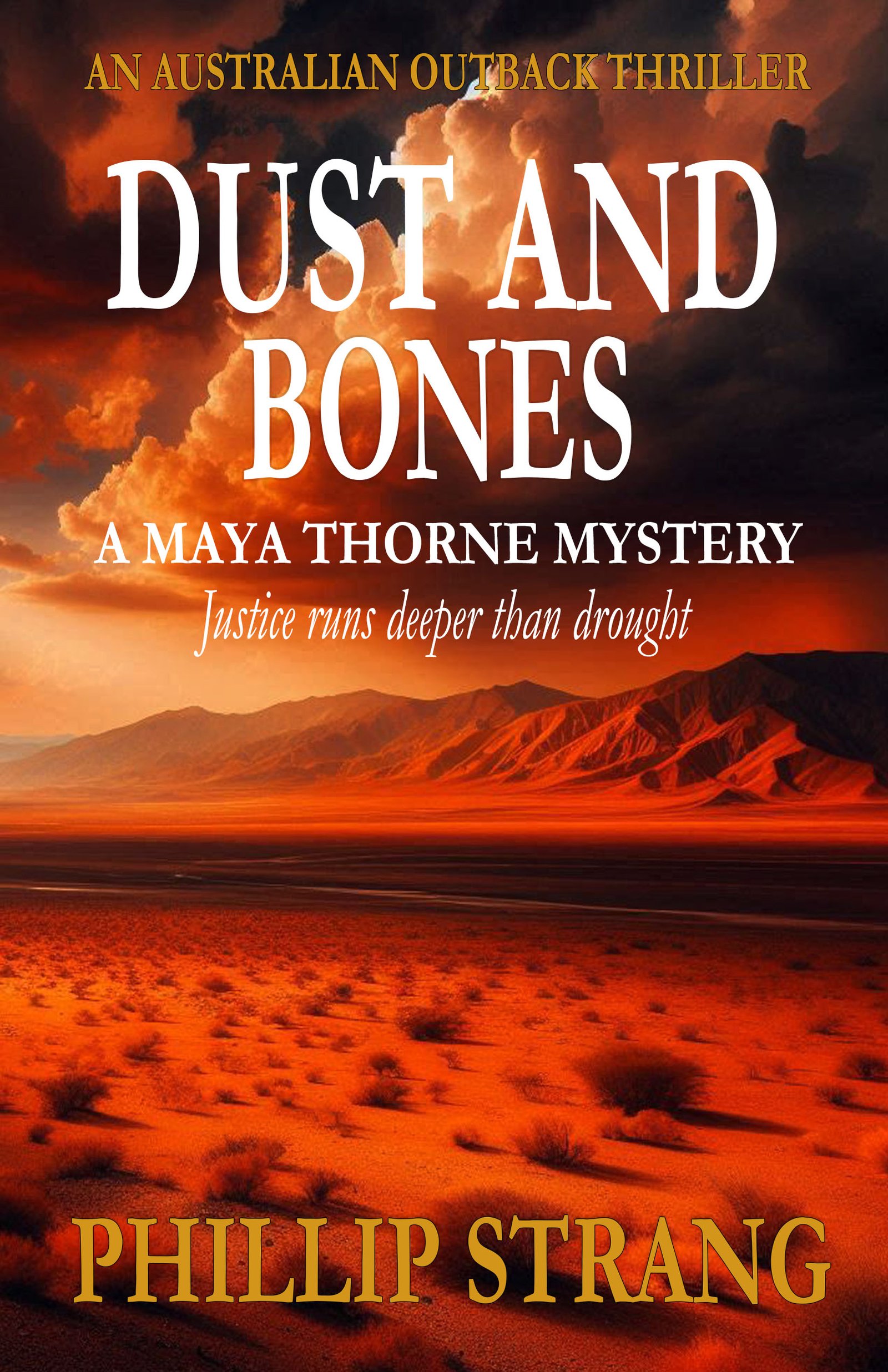
A MAYA THORNE MYSTERY
Get Dust and Bones Free
Justice runs deeper than drought.
Red dust. Shallow graves. A detective who hunts killers where the law runs thin and the nearest help is two hundred miles away.
Send Me the BookYou'll also receive occasional new release emails. Unsubscribe anytime. No spam, ever.
As an Amazon Associate, Phillip Strang earns from qualifying purchases. This page contains affiliate links — buying through them costs you nothing extra.