
The confession scene sits at the heart of crime fiction’s emotional machinery, yet most writers approach it backwards. They focus on what the suspect reveals rather than why they choose to reveal it, missing the psychological mechanics that make confession compelling rather than convenient.
Across eighteen series and more than 150 novels, I’ve found that confession scenes succeed or fail based on a single factor: whether the reader believes this particular person would break at this particular moment. Everything else—the dramatic revelation, the clever interrogation technique, the satisfying resolution—means nothing if that fundamental believability fails.
The Breaking Point Must Earn Its Place
Real confession doesn’t happen because detectives ask the right questions. It happens when internal pressure exceeds the suspect’s capacity to contain it. Your job as a writer is to build that pressure systematically throughout the story, not manufacture it in the interrogation room.
In my police procedural work, I’ve learned that effective pressure comes from multiple sources converging. External evidence alone rarely breaks someone—it’s the combination of mounting facts, personal guilt, fear of consequences, and often protection of someone else that creates the perfect storm. The suspect must arrive at the confession scene already fracturing.
Consider the weight of secrets. A murder committed in passion carries different psychological pressure than premeditated killing. The impulsive killer lives with shock and disbelief at their own actions. The calculating killer wrestles with the gap between their self-image and reality. These different internal states require different breaking points and different confession triggers.
How I Actually Approach Writing Confession
I work backwards from the confession to build the psychological architecture that supports it. Before writing a single interrogation question, I map the suspect’s emotional journey through the entire story. Where do they feel secure? Where do cracks appear? What specific moment or revelation will shatter their remaining defenses?
The confession scene itself becomes a dance between revelation and resistance. I never let suspects spill everything at once—that reads false and robs the scene of tension. Instead, they reveal information in layers, often contradicting themselves, backtracking, or trying to minimize their involvement before the full truth emerges.
In practice, I draft the confession scene multiple times with different emotional beats. First draft might focus on anger—the suspect lashing out at circumstances or other people. Second draft explores guilt and remorse. Third might center on fear or desperation. The final version usually combines elements from all versions, creating a more complex and believable emotional landscape.
Physical details matter enormously. Sweating hands, avoiding eye contact, fidgeting with objects, changes in voice pitch—these concrete details sell the internal struggle better than internal monologue. I also pay attention to speech patterns. People under extreme stress often speak in fragments, repeat themselves, or use surprisingly formal language as they try to maintain control.
The Interrogator’s True Role
Television has taught readers to expect confession scenes driven by brilliant detective work—psychological manipulation, presentation of evidence, clever verbal traps. This creates problems for writers because it places emphasis on investigator cleverness rather than suspect psychology.
The interrogator’s real job is creating the right conditions for confession, not forcing it. Sometimes this means applying pressure, but often it means providing permission. The suspect who’s been carrying guilt needs someone to make confession feel safe or inevitable. The defiant suspect needs their defenses systematically removed.
In my DI Tremayne series, I’ve found that the most effective interrogation scenes feel like conversations that gradually shift power dynamics. Tremayne doesn’t browbeat suspects into confession—he creates spaces where their own psychology does the work. A strategic pause, an understanding nod, even apparent sympathy can be more powerful than aggressive questioning.
Good interrogators in fiction read the room and adapt their approach. The frightened suspect needs different handling than the arrogant one. The grief-stricken killer responds to different stimuli than the coldly calculating murderer. One-size-fits-all interrogation techniques produce one-dimensional confession scenes.
Avoiding the Common Confession Traps
The biggest mistake writers make is treating confession as pure plot device rather than character moment. The suspect who suddenly explains everything in perfectly organized detail—’I killed him because twenty years ago he destroyed my business and I’ve been planning revenge ever since’—sounds like a plot summary, not human speech.
Real confession comes out messy, emotional, often incomplete. People confess the emotional truth before the factual truth. They might say ‘I couldn’t stop myself’ before explaining what they couldn’t stop themselves from doing. They justify, rationalize, and minimize even while admitting guilt.
Another common error is making confession too convenient for the plot. The suspect breaks down just when the investigation stalls, or reveals exactly the information needed to tie up loose ends. This backward approach—starting with what needs to be revealed rather than why this person would reveal it—produces mechanical scenes that satisfy plot requirements while failing emotional truth.
Timing mistakes plague many confession scenes. Writers either rush to the breakdown or drag out the resistance beyond believability. The best confession scenes maintain tension through multiple false starts—moments where confession seems imminent before the suspect pulls back. This rhythm of approach and retreat mirrors real psychological process while building dramatic tension.
The Aftermath Matters As Much As The Confession
What happens immediately after confession reveals character as clearly as the confession itself. Some suspects feel relief, others immediate regret. Some collapse emotionally while others retreat into cold detachment. This reaction must align with everything we know about the character and the crime.
In my experience with crime fiction, readers judge confession scenes partly on whether the aftermath feels honest. The killer who shows no emotion after confessing to brutal murder raises questions about the confession’s authenticity. The grief-stricken suspect who immediately lawyers up after an emotional breakdown creates a different but equally important dynamic.
The investigators’ reactions matter too. Experienced detectives don’t celebrate or express shock—they’ve seen too much. They might feel satisfaction at solving the case, but they also deal with the human cost of crime daily. Their professional response can highlight the suspect’s emotional state through contrast.
Consider also what the confession means for other characters. Family members, victims’ relatives, other suspects—the ripple effects of confession extend beyond the interrogation room and provide opportunities to explore theme and consequence.
Conclusion
Effective confession scenes emerge from character psychology rather than plot necessity. They represent the culmination of internal pressure built throughout the story, not convenient resolution of investigative challenges. Master the psychological architecture underlying confession, and the dramatic elements follow naturally.
About Phillip Strang
Phillip Strang is an Australian crime and thriller novelist. Across eighteen series and more than 150 novels, his work spans London police procedurals (DCI Isaac Cook), UK investigations (DI Tremayne), Australian outback crime (Maya Thorne), FBI thrillers (Alex Harlan), Scottish Highland mysteries (DI Sarah Lynch), and espionage (Steve Case). Learn more about Phillip or browse his complete catalogue on Amazon.
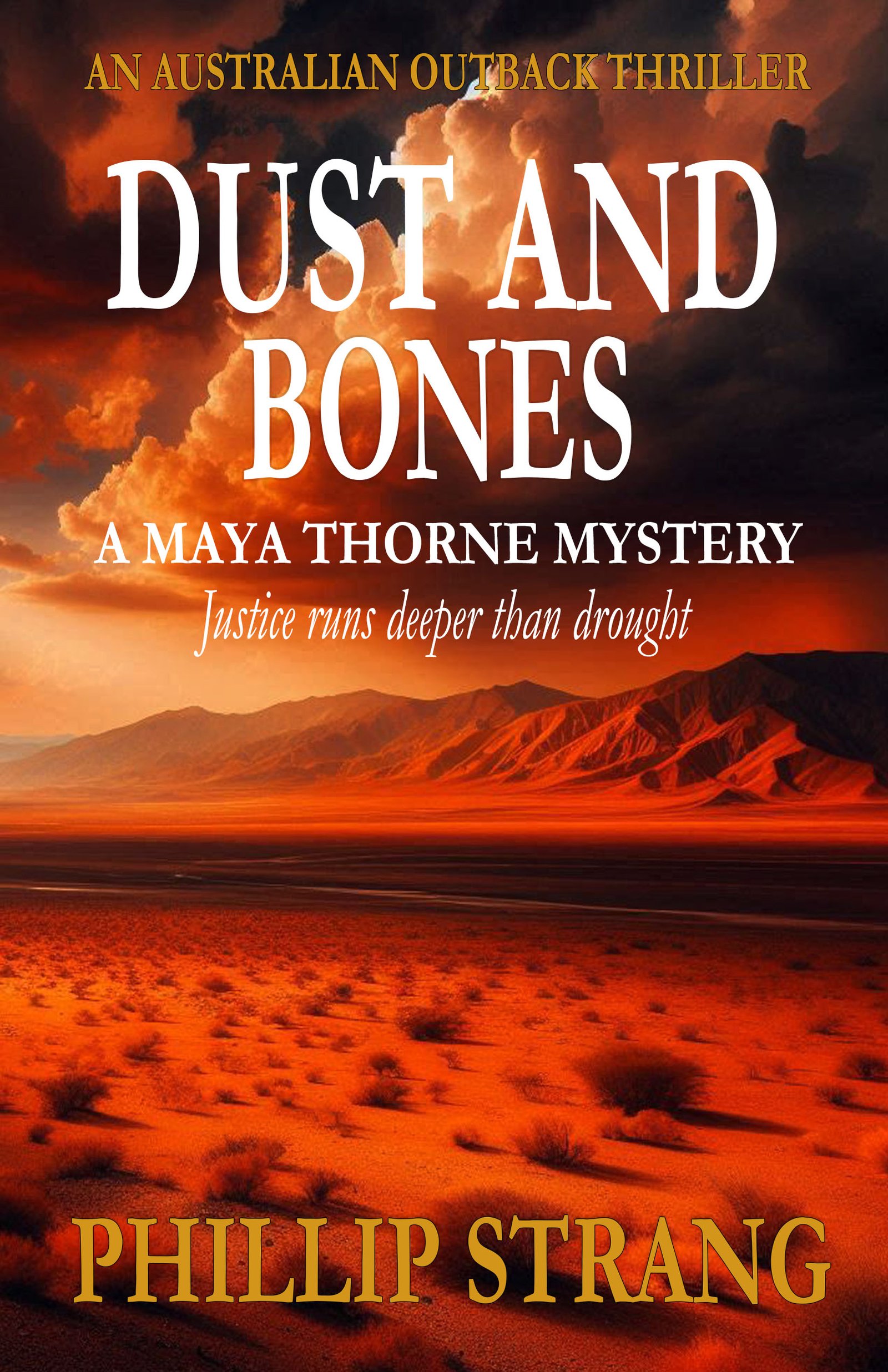
A MAYA THORNE MYSTERY
Get Dust and Bones Free
Justice runs deeper than drought.
Red dust. Shallow graves. A detective who hunts killers where the law runs thin and the nearest help is two hundred miles away.
Send Me the BookYou'll also receive occasional new release emails. Unsubscribe anytime. No spam, ever.
As an Amazon Associate, Phillip Strang earns from qualifying purchases. This page contains affiliate links — buying through them costs you nothing extra.