
The corrupt insider represents one of crime fiction’s most potent narrative devices, yet most writers fumble the execution by painting in absolutes rather than exploring the grey zones where good cops make terrible choices. The challenge isn’t creating a villain in uniform—it’s crafting a character whose corruption feels inevitable rather than convenient.
Across eighteen series and more than 150 novels, I’ve found that the most compelling corrupt insiders aren’t born corrupt—they’re created by the very system they’ve sworn to serve. The key lies in understanding that corruption rarely announces itself with dramatic gestures; it whispers its way in through small compromises and justified exceptions.
The Gradient of Compromise
Effective corruption begins with a character who genuinely believes in justice. Your corrupt insider shouldn’t start as a sociopath with a badge—they should begin as someone who cares too much, not too little. The detective who plants evidence because they know the suspect is guilty but lack proof isn’t evil; they’re convinced they’re serving a higher justice. This is where real moral ambiguity lives.
I’ve used this approach with several characters in my DCI Isaac Cook series, where good officers make questionable choices under pressure. The corruption that matters isn’t the cartoonish captain taking bribes—it’s the veteran detective who stops following protocol because they’ve seen too many guilty parties walk free on technicalities. Each small violation of procedure becomes easier to justify, creating a cascade of moral erosion.
Build your corrupt insider through incremental choices. Show them bending rules for noble reasons, then watch those bent rules become broken ones. The reader should understand each step even if they don’t approve of it. This understanding creates the uncomfortable sympathy that elevates your procedural beyond simple good-versus-evil narratives.
The Institutional Pressure Cooker
Police procedurals operate within rigid hierarchical structures where loyalty, results, and survival often conflict with ethical obligations. Your corrupt insider doesn’t exist in a vacuum—they’re responding to institutional pressures that make corruption seem reasonable or necessary. The sergeant who falsifies reports isn’t necessarily greedy; they might be protecting their team from bureaucratic consequences that could destroy careers over minor infractions.
Environmental factors drive believable corruption. Budget cuts that force impossible caseloads, political pressure to solve high-profile cases quickly, or internal politics that punish honesty—these create the conditions where good people make corrupt choices. Among the best police procedural novels, you’ll find corruption that stems from systemic problems rather than individual moral failings.
Consider the detective nearing retirement who’s seen decades of criminals exploit legal loopholes. When they encounter a case where they know the perpetrator will escape justice through superior legal representation, the temptation to manufacture evidence becomes overwhelming. It’s not about personal gain—it’s about achieving what they perceive as true justice within a flawed system.
My Approach to Writing Institutional Corruption
When I craft corrupt insider characters, I start with their breaking point rather than their corruption. I identify the moment when their faith in the system cracked, then work backward to understand their original idealism and forward to show their gradual compromise. The corruption becomes inevitable once you establish the character’s core values and the pressures they face.
In my Steve Case series, I’ve explored how intelligence operatives navigate moral grey areas where traditional ethics become liabilities. The techniques translate directly to police procedurals: show characters making choices they can rationalize in the moment but struggle to justify in quieter reflection. Their internal monologue should reveal the mental gymnastics required to maintain their self-image as fundamentally good people doing necessary work.
I avoid making corruption purely transactional. Money, power, and personal advancement are obvious motivators, but they’re rarely the primary drivers for compelling corrupt insiders. Instead, I focus on emotional corruption: the detective who protects a criminal because they remind them of their own child, or the sergeant who covers up a mistake because exposing it would destroy someone they respect. These personal connections create far more interesting moral dilemmas than simple greed.
The key is maintaining reader sympathy while showing increasingly questionable behavior. Your corrupt insider should occasionally be right—their cynicism about the system should be validated by events in your story. When they claim the rules protect criminals more than victims, show them a case where this is true. This validation makes their corruption more understandable and your moral ambiguity more authentic.
Common Mistakes That Undermine Believability
Most writers sabotage their corrupt insiders by making them too obviously corrupt too early. They create characters who seem destined for corruption rather than good people who’ve lost their way. The detective who takes their first bribe in chapter two wasn’t worth following in the first place. Instead, your corrupt insider in chapter two should be the officer everyone respects, the one who stays late to help rookies understand procedures.
Another frequent error involves making corruption a personality trait rather than a response to circumstances. Characters who seem naturally predisposed to corruption feel artificial because real corruption typically involves people acting against their natural instincts. The most effective corrupt insiders are those fighting against their own moral compass, not following it.
Avoid the redemption trap where corrupt insiders suddenly see the light and transform back into ethical officers. Real corruption creates psychological scar tissue. Characters who’ve compromised their integrity don’t simply return to their previous moral state—they carry that knowledge of their capacity for compromise. This awareness should inform their future choices and internal dialogue, creating ongoing tension between their ideals and their experience.
Writers also frequently underestimate the practical aspects of police corruption. Corrupt behavior within law enforcement requires sophisticated knowledge of procedures, evidence handling, and bureaucratic blind spots. Your corrupt insider can’t simply decide to be corrupt—they need to understand how systems work well enough to subvert them effectively. This expertise should be evident in how they execute their corruption and avoid detection.
The Ripple Effects of Internal Corruption
Corrupt insiders don’t operate in isolation—their choices affect colleagues, cases, and institutional integrity. The detective who plants evidence contaminates not just one case but potentially dozens of previous cases they’ve worked. Defense attorneys will question their entire career’s worth of testimony. Partners must choose between loyalty and honesty, creating secondary moral dilemmas that enrich your procedural’s complexity.
These ripple effects provide ongoing narrative tension and realistic consequences for corrupt behavior. The corrupt insider’s colleagues face impossible choices: expose corruption and destroy careers, or stay silent and become complicit. Some may not recognize the corruption initially, creating dramatic irony as readers understand situations better than characters within them.
Institutional corruption also affects how your procedural’s other cases develop. Evidence might be questionable, witness testimony could be compromised, and legal procedures may have been violated in ways that only become apparent later. This creates opportunities for complex plotting where past corruption affects current investigations, forcing characters to confront the long-term consequences of moral compromise.
Conclusion
The corrupt insider succeeds when readers understand their choices without endorsing them, when the character’s moral decline feels tragic rather than inevitable, and when their corruption serves the story’s larger themes about justice, loyalty, and the price of maintaining order in an imperfect world.
About Phillip Strang
Phillip Strang is an Australian crime and thriller novelist. Across eighteen series and more than 150 novels, his work spans London police procedurals (DCI Isaac Cook), UK investigations (DI Tremayne), Australian outback crime (Maya Thorne), FBI thrillers (Alex Harlan), Scottish Highland mysteries (DI Sarah Lynch), and espionage (Steve Case). Learn more about Phillip or browse his complete catalogue on Amazon.
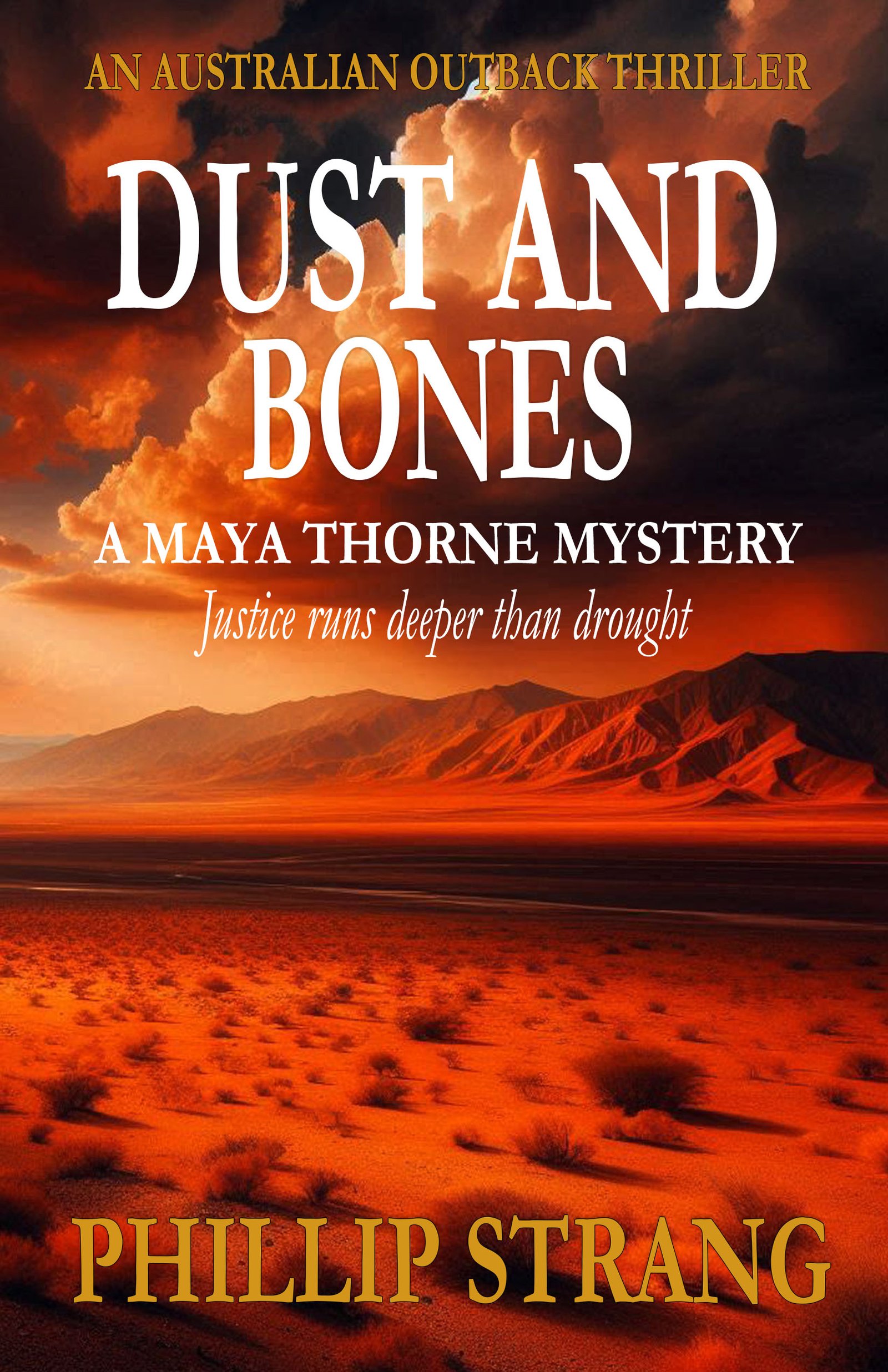
A MAYA THORNE MYSTERY
Get Dust and Bones Free
Justice runs deeper than drought.
Red dust. Shallow graves. A detective who hunts killers where the law runs thin and the nearest help is two hundred miles away.
Send Me the BookYou'll also receive occasional new release emails. Unsubscribe anytime. No spam, ever.
As an Amazon Associate, Phillip Strang earns from qualifying purchases. This page contains affiliate links — buying through them costs you nothing extra.