
The detective’s family life isn’t window dressing—it’s the pressure valve that either enhances or destroys your crime fiction. Too much domestic drama and you’re writing soap opera with corpses. Too little and your protagonist becomes a cardboard cut-out who exists only to solve murders.
Across eighteen series and more than 150 novels, I’ve found that the detective’s family relationships must serve the crime story, not distract from it. The key lies in understanding that family dynamics aren’t separate from the investigation—they’re another layer of tension that either supports or undermines your protagonist’s ability to do the job.
Family as Mirror to the Crime
The most effective family scenes reflect the themes of your central crime without stating them outright. When DCI Isaac Cook deals with his daughter’s teenage rebellion while investigating a case involving parental abandonment, the family dynamic illuminates the crime’s emotional stakes. The domestic tension doesn’t pause the investigation—it deepens our understanding of what drives both the detective and the criminal.
This mirroring works because crime fiction fundamentally explores human relationships under extreme pressure. Your detective’s marriage, parenthood, or sibling rivalry should echo the relational breakdowns that create your murders, thefts, and betrayals. The serial killer who targets families becomes more chilling when your detective struggles to protect his own children. The corruption case hits harder when your protagonist discovers her brother’s gambling debts.
But the mirroring must be subtle. Heavy-handed parallels feel contrived and pull readers out of the story. The connection should emerge organically from character choices, not authorial manipulation.
How I Actually Handle Family Scenes
When I’m writing family interactions, I treat them like crime scenes—every detail must advance the story. Before I write a domestic scene, I ask three questions: What does this reveal about my detective’s mental state? How does this family pressure affect their judgment on the case? What does this scene tell us that we couldn’t learn any other way?
In my DI Tremayne series, I use his relationship with his aging father to show how the detective processes authority and tradition. These scenes aren’t breaks from the investigation—they’re investigations into character. When Tremayne’s father criticizes modern policing methods, it forces the detective to defend choices he’s been doubting. The family conversation becomes a way to explore the case’s moral complexity without resorting to internal monologue.
I also use family scenes to create urgency. Nothing raises stakes like personal consequences bleeding into professional ones. When the detective’s family becomes threatened by the case, or when family obligations interfere with crucial investigative moments, readers feel the squeeze from both directions. But this only works if you’ve established the family relationships as genuine and important, not just convenient plot devices.
The Emotional Cost of the Job
Crime fiction’s best family dynamics show how investigating humanity’s worst impulses changes a person. Your detective doesn’t clock out and become a normal spouse or parent. They carry the weight of what they’ve seen, and that weight affects every relationship.
The trick is showing this impact through action and dialogue, not exposition. Don’t tell us your detective is haunted—show us how they can’t enjoy their child’s school play because they’re scanning faces for potential threats. Don’t explain that the job has made them suspicious—demonstrate it through their reaction when their spouse comes home late without calling.
This emotional contamination creates natural conflict. Partners feel shut out. Children sense something’s wrong but don’t understand what. Parents worry about the toll the work is taking. These tensions generate character-driven story moments that feel authentic because they arise from the detective’s professional reality.
Avoiding the Common Traps
The biggest mistake I see writers make is treating family life as relief from the crime story’s intensity. They write cutesy scenes with perfect children saying precious things, or romantic interludes that feel imported from another genre entirely. This approach destroys narrative tension because it signals to readers that family scenes are safe spaces where nothing important happens.
Another trap is the dysfunctional family cliché—the alcoholic detective with the bitter ex-wife and estranged kids. This setup has become so common it’s lost all impact. Readers skim these sections because they’ve read them countless times before. If you’re going to write family dysfunction, make it specific and surprising, rooted in your particular detective’s personality and circumstances.
The serial spouse problem also weakens many series. Writers kill off or divorce family members to create temporary drama, then introduce new relationships to repeat the same patterns. This approach treats family as disposable, which trains readers not to invest emotionally in domestic relationships. Better to dig deeper into existing relationships than to constantly shuffle the cast.
Watch out for the exposition dump disguised as family conversation. Having your detective explain case details to their spouse so readers can catch up is lazy writing that makes both characters sound unnatural. Family members have their own concerns—they’re not waiting around to serve as plot summary devices.
When Family Becomes Part of the Investigation
Sometimes the most powerful approach is making family members active participants in the crime story. This doesn’t mean turning spouses into amateur detectives or putting children in danger for cheap thrills. It means recognizing that family members have skills, connections, and perspectives that can genuinely contribute to solving cases.
In my Maya Thorne series, the detective’s knowledge of outback communities comes partly from family connections that span generations. Her relatives aren’t just background color—they’re sources of information, cultural insight, and local knowledge that affects how investigations unfold. This approach integrates family naturally into the crime story because their involvement serves the plot while revealing character.
The key is ensuring that family members remain true to their own identities rather than becoming extensions of your detective. A spouse who’s a teacher brings different observational skills than one who’s an accountant. Children see things adults miss, but they also misinterpret what they observe. These authentic differences create opportunities for both help and complication in your investigations.
When family knowledge conflicts with official police procedure, you create internal tension that drives both character development and plot advancement. Your detective must choose between following protocol and trusting family insight, between protecting loved ones and pursuing justice. These choices reveal character in ways that pure procedural elements cannot.
The Long Game of Series Development
If you’re writing a series, family relationships require careful long-term planning. You can’t treat them as static background elements—they must evolve as your detective changes. Children grow up, marriages deepen or deteriorate, parents age and die. These natural progressions affect your detective’s worldview and decision-making in ways that should influence how they approach cases.
But evolution doesn’t mean constant crisis. The most satisfying series show families adapting to the detective’s work rather than being destroyed by it. Maybe the spouse develops their own methods for coping with uncertainty. Perhaps the children inherit some of their parent’s investigative instincts. These adaptations create new story possibilities while maintaining emotional continuity.
Track your family developments across books the same way you track character arcs and recurring villains. Family growth should feel organic, not arbitrary. When major changes occur—divorce, death, estrangement—they should arise from accumulated pressure and character choices, not random plot requirements. Readers invest in these relationships over multiple books, and they’ll notice if you treat family development carelessly.
Consider how family dynamics might shift as your detective gains experience and authority. The rookie cop’s family concerns differ from the veteran investigator’s. Promotion brings new pressures. Retirement approaches with its own complications. These career phases offer fresh angles on familiar relationships, preventing family storylines from becoming repetitive across a long series.
Conclusion
Family in crime fiction works best when it complicates rather than comforts, when it raises stakes rather than lowering them, and when it illuminates character through conflict rather than through harmony. The detective’s life outside the case should feel like another form of investigation—into love, loyalty, responsibility, and the price of pursuing justice in an unjust world.
About Phillip Strang
Phillip Strang is an Australian crime and thriller novelist. Across eighteen series and more than 150 novels, his work spans London police procedurals (DCI Isaac Cook), UK investigations (DI Tremayne), Australian outback crime (Maya Thorne), FBI thrillers (Alex Harlan), Scottish Highland mysteries (DI Sarah Lynch), and espionage (Steve Case). Learn more about Phillip or browse his complete catalogue on Amazon.
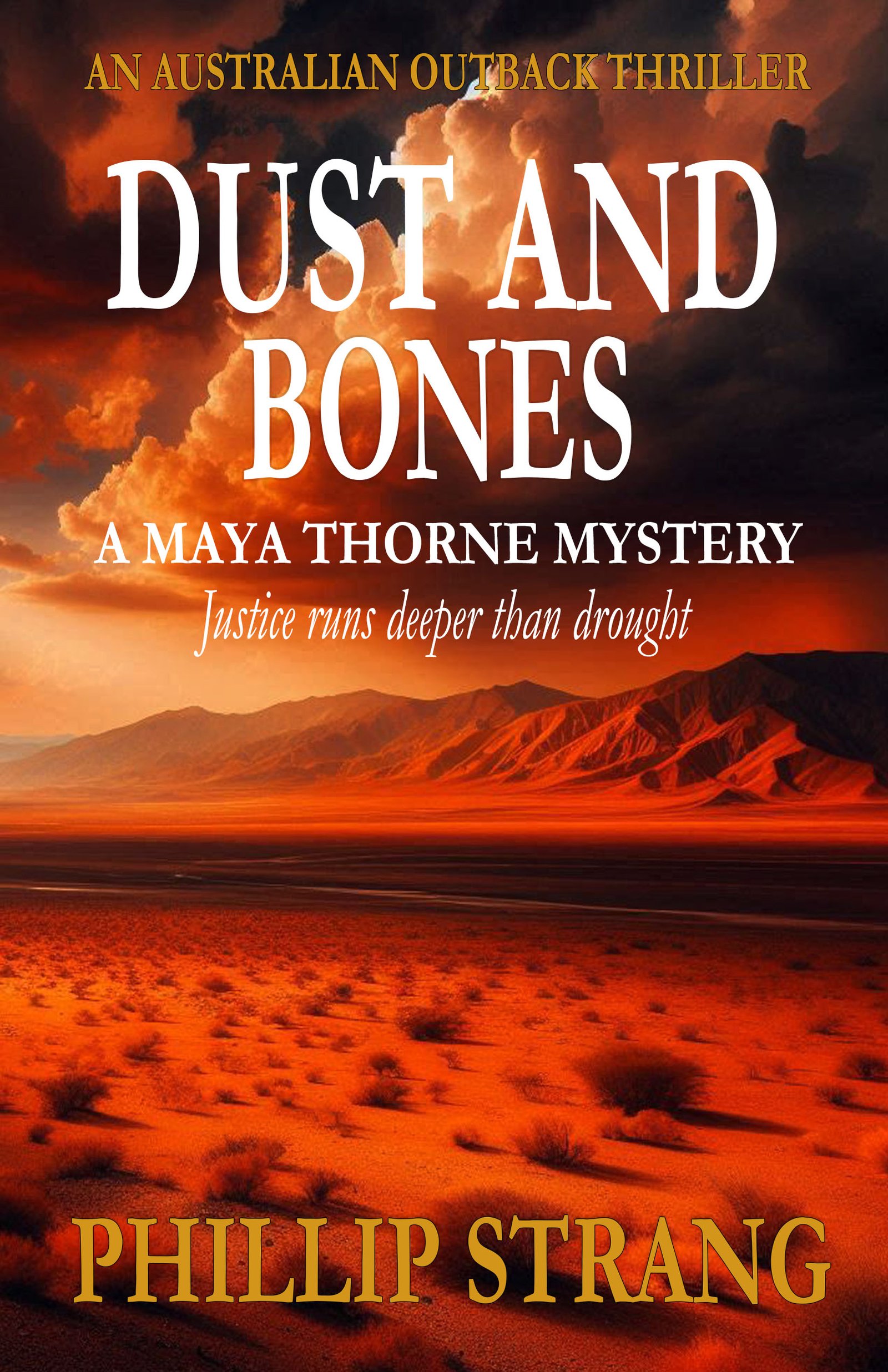
A MAYA THORNE MYSTERY
Get Dust and Bones Free
Justice runs deeper than drought.
Red dust. Shallow graves. A detective who hunts killers where the law runs thin and the nearest help is two hundred miles away.
Send Me the BookYou'll also receive occasional new release emails. Unsubscribe anytime. No spam, ever.
As an Amazon Associate, Phillip Strang earns from qualifying purchases. This page contains affiliate links — buying through them costs you nothing extra.