
The interrogation scene is where crime fiction writers either master their craft or expose their amateur status—no middle ground exists in this crucible of literary tension.
Too many crime writers treat the interrogation as a plot device rather than recognizing it as the genre’s most potent weapon for character revelation and psychological warfare. The best practitioners understand that these scenes operate on multiple levels simultaneously: advancing plot, revealing character, and creating the kind of breathless tension that keeps readers turning pages at 2 AM. When executed with precision, interrogation scenes become the beating heart of crime fiction, where power shifts like mercury and truth emerges in fragments. Yet for every masterful example, we encounter dozens of clumsy attempts that rely on clichéd dialogue and television tropes rather than genuine understanding of psychological pressure.
The Essential Elements
Effective interrogation scenes begin long before the suspect enters the interview room. The most skilled crime writers establish the power dynamics through environmental details—the broken chair, the too-bright fluorescent light, the detective’s choice to sit or stand. Pacing becomes crucial; information must be revealed in carefully measured doses that maintain tension without frustrating readers. The interrogator’s strategy should be clear to readers even when it’s opaque to the suspect, creating dramatic irony that heightens engagement.
Power dynamics shift constantly in well-written scenes. The suspect may begin confident, only to crumble under precise questioning, or perhaps the detective discovers they’ve underestimated their quarry. These reversals must feel organic, emerging from character psychology rather than plot convenience. The dialogue should crackle with subtext—what’s not said often carries more weight than direct statements.
Physical description and body language become critical storytelling tools. A suspect’s nervous habits, the detective’s deliberate movements, even the quality of silence between questions—all contribute to the scene’s psychological pressure. The best writers make readers feel the claustrophobia, the mounting tension, the gradual erosion of defensive walls.
Common Pitfalls and Solutions
Amateur writers frequently fall into several traps when crafting interrogation scenes. The first is the “villain explains everything” syndrome, where suspects conveniently confess in exposition-heavy monologues. Real interrogations are battles of will, not information dumps. Skilled writers understand that confessions must be earned through psychological pressure and tactical maneuvering.
Another common mistake is making the detective omniscient, somehow knowing exactly what buttons to push without proper investigation or character development. Effective interrogation scenes grow from thorough character work—both detective and suspect must be fully realized individuals with believable motivations and vulnerabilities.
Pacing problems plague many interrogation scenes. Some writers rush to the revelation, others drag out the tension until it snaps. The key lies in understanding rhythm—building pressure, releasing it slightly, then building again, like a python gradually tightening its coils.
Technical Mastery
The mechanics of writing compelling interrogation scenes require particular attention to point of view. Whose perspective serves the story best? The confident detective who slowly realizes their case is crumbling? The suspect fighting to maintain their facade? Some scenes benefit from switching perspectives to show both sides of the psychological chess match.
Dialogue must serve multiple masters: revealing character, advancing plot, and maintaining authenticity. Real interrogations involve repetition, circling back to previous topics, and gradual pressure rather than dramatic confrontations. Writers must balance realism with narrative momentum, compressing hours of questioning into scenes that feel both authentic and dramatically satisfying.
Setting details shouldn’t be merely decorative but should reinforce the scene’s psychological pressure. The harsh lighting that reveals every bead of sweat, the recording device’s red light that reminds everyone of the stakes, the clock whose ticking marks the passage of time—these elements contribute to the scene’s oppressive atmosphere.
Learning from the Masters
Contemporary crime fiction offers numerous examples of interrogation scenes executed with surgical precision. Writers like Tana French understand that these scenes reveal character as much as they uncover facts. Her detectives aren’t infallible; they make mistakes, misread signals, and sometimes lose control of the situation entirely.
The most effective interrogation scenes often subvert reader expectations. Perhaps the seemingly guilty suspect proves innocent, or the detective’s certainty crumbles under cross-examination. These reversals work when they emerge from careful character development rather than arbitrary plot manipulation.
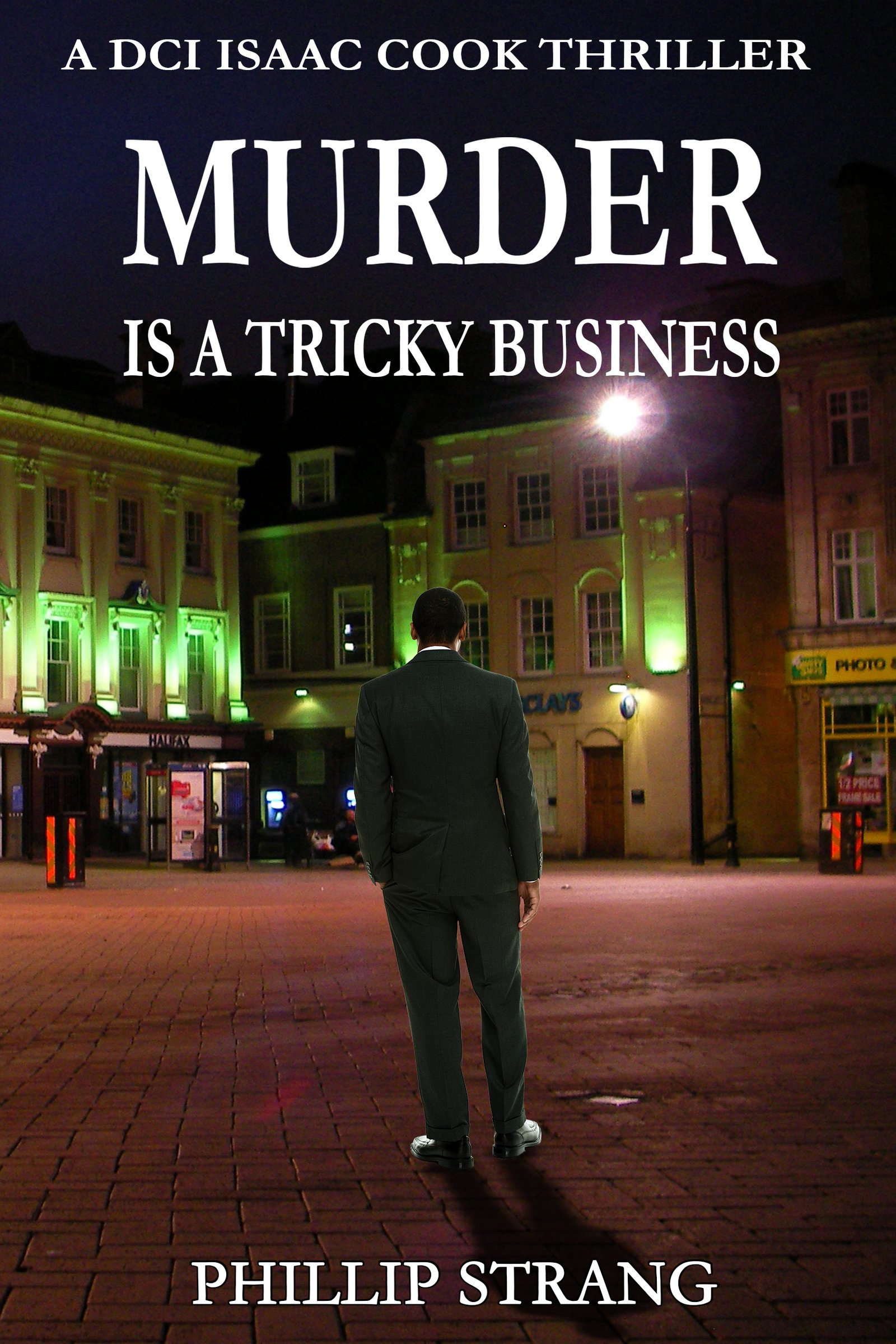
DCI Isaac Cook — Phillip Strang
Master interrogator DCI Cook understands that London’s hardest cases require psychological precision, not just procedural knowledge. These scenes crackle with authentic tension as Cook navigates the power dynamics of Challis Street’s toughest investigations.
The Psychology Behind the Craft
Understanding real interrogation psychology elevates crime fiction from amateur to professional level. Experienced detectives know that guilty suspects often want to confess—the writer’s job is showing how skilled interrogators create safe spaces for that confession while maintaining legal and ethical boundaries.
The best interrogation scenes explore moral complexity. Is the detective’s psychological pressure justified? Where’s the line between effective questioning and manipulation? These ethical questions add layers that transform simple plot advancement into genuine literary depth.
Character motivation drives everything. Why does the suspect finally break? What personal demons does the detective’s questioning unleash? The most memorable interrogation scenes reveal hidden aspects of character that surprise both other characters and readers.
Discover Phillip Strang
Strang’s police procedurals demonstrate masterful interrogation scene construction, where psychological pressure builds organically from character development. His detectives understand that breaking a suspect requires patience, strategy, and deep understanding of human nature.
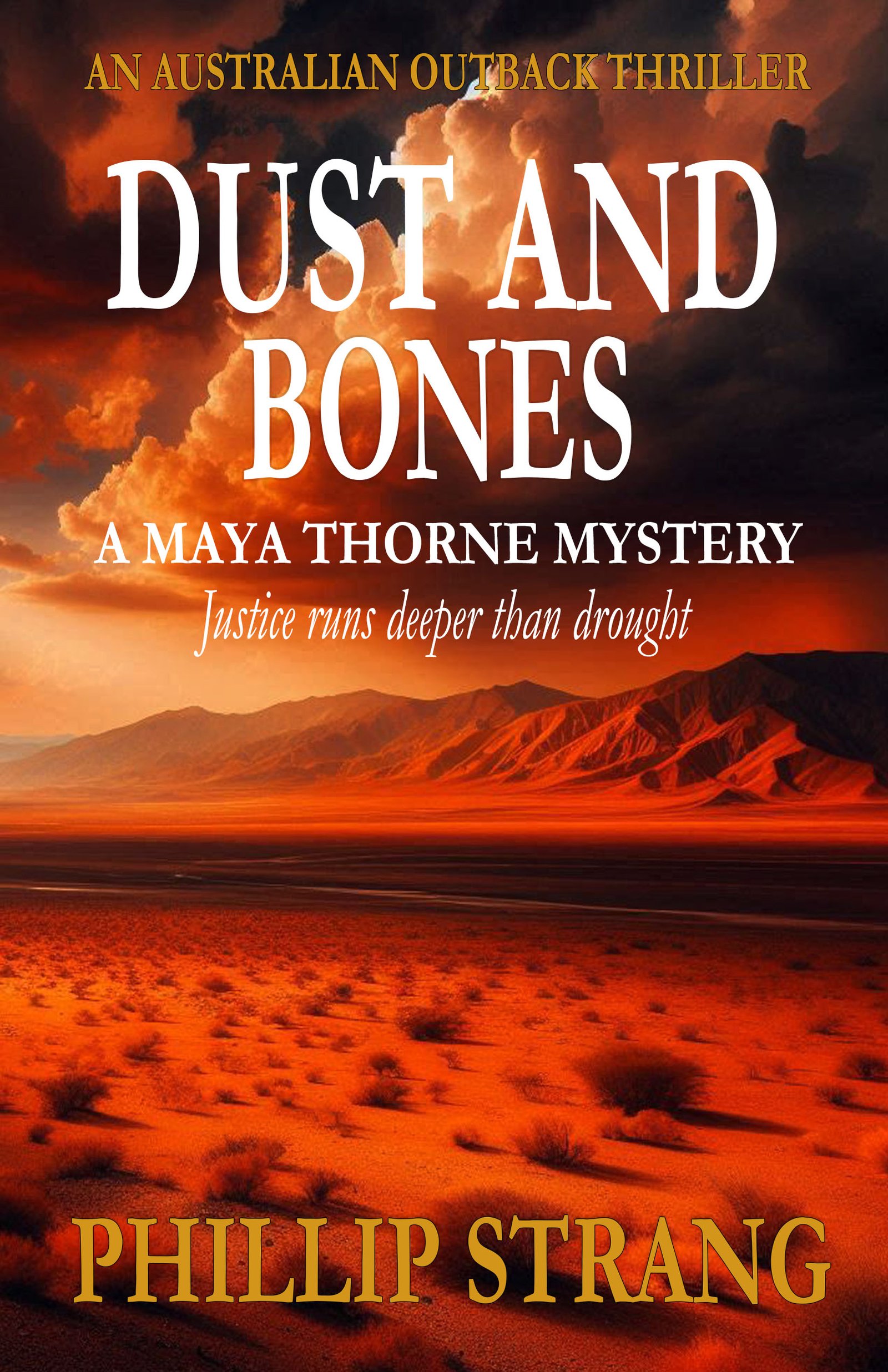
A MAYA THORNE MYSTERY
Get Dust and Bones Free
Justice runs deeper than drought.
Red dust. Shallow graves. A detective who hunts killers where the law runs thin and the nearest help is two hundred miles away.
Send Me the BookYou'll also receive occasional new release emails. Unsubscribe anytime. No spam, ever.