
The Art of Breaking Character: Why Most Crime Writers Fail at Interrogation Scenes
The interrogation room is where characters reveal their true nature under pressure—yet most crime writers treat it as mere exposition delivery.
Nothing exposes amateur crime writing faster than a poorly executed interrogation scene. Too many authors use these pivotal moments as convenient information dumps, forgetting that the real drama lies not in what’s revealed, but how the revelation unfolds. The best interrogation scenes are psychological chess matches where every pause, every redirect, every power shift serves the larger narrative while illuminating character under extreme pressure.
The Fundamental Elements
Effective interrogation scenes operate on three distinct levels: the surface conversation, the psychological subtext, and the power dynamics between participants. Master crime writers understand that pacing isn’t about speed—it’s about rhythm. Like a jazz musician who knows when to hold a note, skilled authors recognize that silence and hesitation often carry more weight than dialogue.
Common Pitfalls
The amateur mistake is treating interrogations as Q&A sessions. Real interrogations—and great fictional ones—involve misdirection, emotional manipulation, and gradual pressure application. Characters shouldn’t simply answer questions; they should resist, deflect, and reveal themselves through what they don’t say as much as what they do.
Power Dynamics in Practice
The most compelling interrogation scenes feature shifting power balances. Perhaps the detective enters confident but gradually realizes the suspect knows more about the case than anticipated. Or the seemingly vulnerable witness slowly reveals themselves as the true puppet master. These reversals work because they’re built on careful character development and plot architecture, not cheap tricks.
Pacing as Weapon
Tension isn’t created by rushing toward revelation—it’s built through strategic delays. The best interrogation writers use interruptions, false starts, and deliberate tangents to mirror how real people behave under stress. They understand that readers will stay engaged if the psychological journey feels authentic, even when the destination remains unclear.
Essential Techniques for Success
- Establish clear stakes before the scene begins
- Give each character a distinct reason to be evasive
- Use physical details to reinforce psychological pressure
- Build in moments of apparent cooperation before resistance returns
- End with questions, not answers
Study the Masters
The most effective way to understand interrogation dynamics is through extensive reading of authors who’ve mastered the form. Pay attention to how they balance revelation with concealment, and how they use dialogue to reveal character psychology.
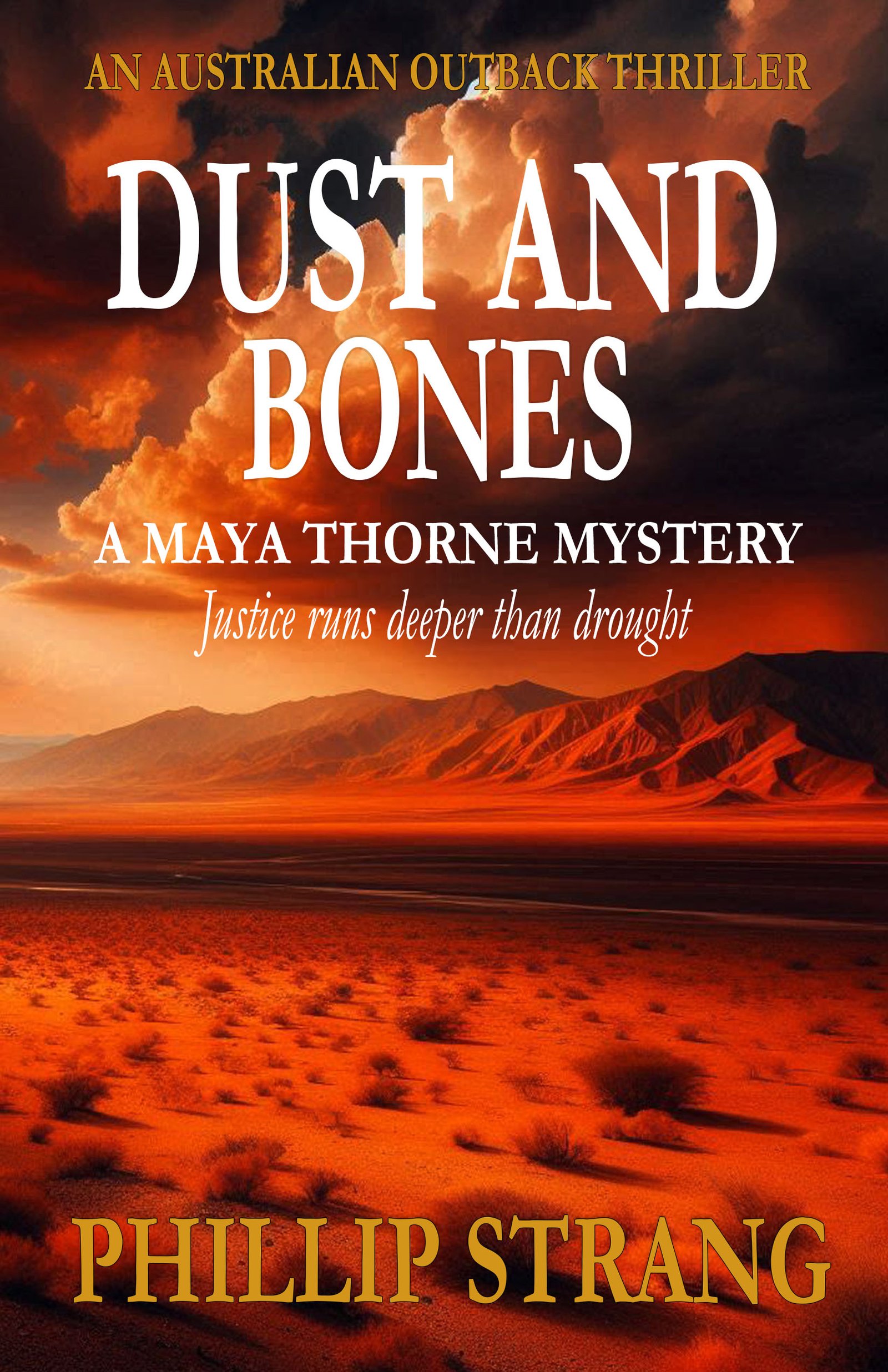
A MAYA THORNE MYSTERY
Get Dust and Bones Free
Justice runs deeper than drought.
Red dust. Shallow graves. A detective who hunts killers where the law runs thin and the nearest help is two hundred miles away.
Send Me the BookYou'll also receive occasional new release emails. Unsubscribe anytime. No spam, ever.