
Every crime writer faces the moment when a secondary character from book three contradicts their backstory from book seven, or when a detective’s childhood trauma shifts between novels without explanation. The question isn’t whether you need documentation for your series—it’s determining what deserves permanent record versus what you can trust your creative memory to handle consistently.
Writing a series bible becomes essential once you’re committed to multiple books with recurring characters, but the balance between obsessive documentation and creative flexibility requires careful consideration. Across eighteen series and more than 150 novels, I’ve learned that the wrong approach to series documentation can either paralyze your creative process or leave you scrambling through previous manuscripts hunting for crucial details that seemed obvious at the time.
Essential Elements That Must Be Documented
Certain character details demand permanent record because they anchor your entire series foundation. Physical descriptions, birth dates, family relationships, and career histories require consistency across multiple books. When DI Tremayne mentions his father’s military service or his university years, readers expect these facts to remain stable throughout the series timeline.
Geographical details present another non-negotiable documentation category. Street names, building layouts, distances between locations, and local landmarks must stay consistent. In my Maya Thorne series, the Australian outback settings include specific geographical markers and community relationships that would create reader confusion if they shifted between novels. Crime scenes, police station layouts, and recurring locations need precise documentation.
Timeline documentation prevents the chronological disasters that plague many series. Document not just the sequence of events within individual books, but the gaps between stories, character ages across the timeline, and seasonal references. Nothing destroys reader immersion faster than a detective celebrating their fortieth birthday twice or Christmas occurring three times in one year.
What Creative Memory Handles Better
Character voice and dialogue patterns shouldn’t be rigidly documented because they need room to evolve naturally. Your protagonist’s speaking patterns, humor style, and emotional responses develop organically through multiple books. Over-documenting these elements can make dialogue feel mechanical and constrained rather than allowing natural character growth.
Emotional character development belongs in this category as well. While major trauma and relationship milestones require documentation, the subtle shifts in personality, growing wisdom, or changing perspectives shouldn’t be locked into rigid parameters. These elements need flexibility to respond to story demands and character arc progression.
Minor character details often work better when handled through creative memory rather than exhaustive documentation. The barista who appears in three scenes across two books doesn’t need a full biography, and trying to document every peripheral character creates unwieldy files that become obstacles rather than resources.
My Practical Documentation System
I maintain separate documents for each series, organized by priority levels rather than character importance. Priority one covers the non-negotiable facts: main character backgrounds, physical descriptions, key relationships, and geographical anchors. This document stays concise and easily searchable.
Priority two documentation covers recurring secondary characters, established precedents for investigative procedures, and important case outcomes that might influence future stories. In the DCI Isaac Cook series, this includes Metropolitan Police protocols, team dynamics, and London locations that appear across multiple investigations.
I avoid documenting story ideas or future plot possibilities in the series bible itself. These belong in separate planning documents because they change constantly and clutter the reference material with outdated information. The series bible serves as established fact, not creative speculation.
Character relationship charts work better than narrative descriptions for tracking complex family trees, romantic histories, and professional connections. Visual documentation prevents the relationship contradictions that can destroy series credibility, particularly in police procedural novels where team dynamics and departmental hierarchies require consistency.
Common Documentation Mistakes That Sabotage Series
Over-documentation represents the most frequent mistake I observe among series writers. Creating exhaustive backstories for every character, documenting every meal preference and childhood memory, produces paralysis rather than helpful reference material. Writers spend more time updating documentation than writing actual scenes.
Inconsistent documentation timing creates another persistent problem. Writers often begin documentation after several books are already published, leading to retroactive contradictions. Starting the series bible with your first novel, even if you’re uncertain about future books, prevents later continuity disasters.
Many writers document surface details while neglecting structural elements. They know their detective’s favorite coffee order but haven’t tracked the legal procedures, departmental policies, or jurisdictional boundaries that actually drive plot consistency. Action thriller novels particularly suffer when writers fail to document technical procedures, weapon capabilities, or organizational structures that must remain consistent across multiple stories.
Format inconsistency undermines documentation effectiveness. Mixing narrative descriptions with bullet points, using different organizational systems across character entries, and failing to maintain searchable keywords makes the series bible harder to use than simply re-reading previous novels. The documentation should accelerate writing, not complicate it.
Emotional state documentation represents another trap. Writers sometimes try to document not just what happened to characters, but exactly how they felt about events. This creates artificial constraints on character development and prevents natural emotional evolution across the series arc.
Conclusion
The most effective series bible balances concrete facts with creative flexibility, documenting the unchangeable elements while allowing character voice, emotional development, and minor details to evolve naturally. Focus your documentation efforts on timeline consistency, physical details, and relationship structures—the foundation elements that support rather than constrain your creative process across multiple novels.
About Phillip Strang
Phillip Strang is an Australian crime and thriller novelist. Across eighteen series and more than 150 novels, his work spans London police procedurals (DCI Isaac Cook), UK investigations (DI Tremayne), Australian outback crime (Maya Thorne), FBI thrillers (Alex Harlan), Scottish Highland mysteries (DI Sarah Lynch), and espionage (Steve Case). Learn more about Phillip or browse his complete catalogue on Amazon.
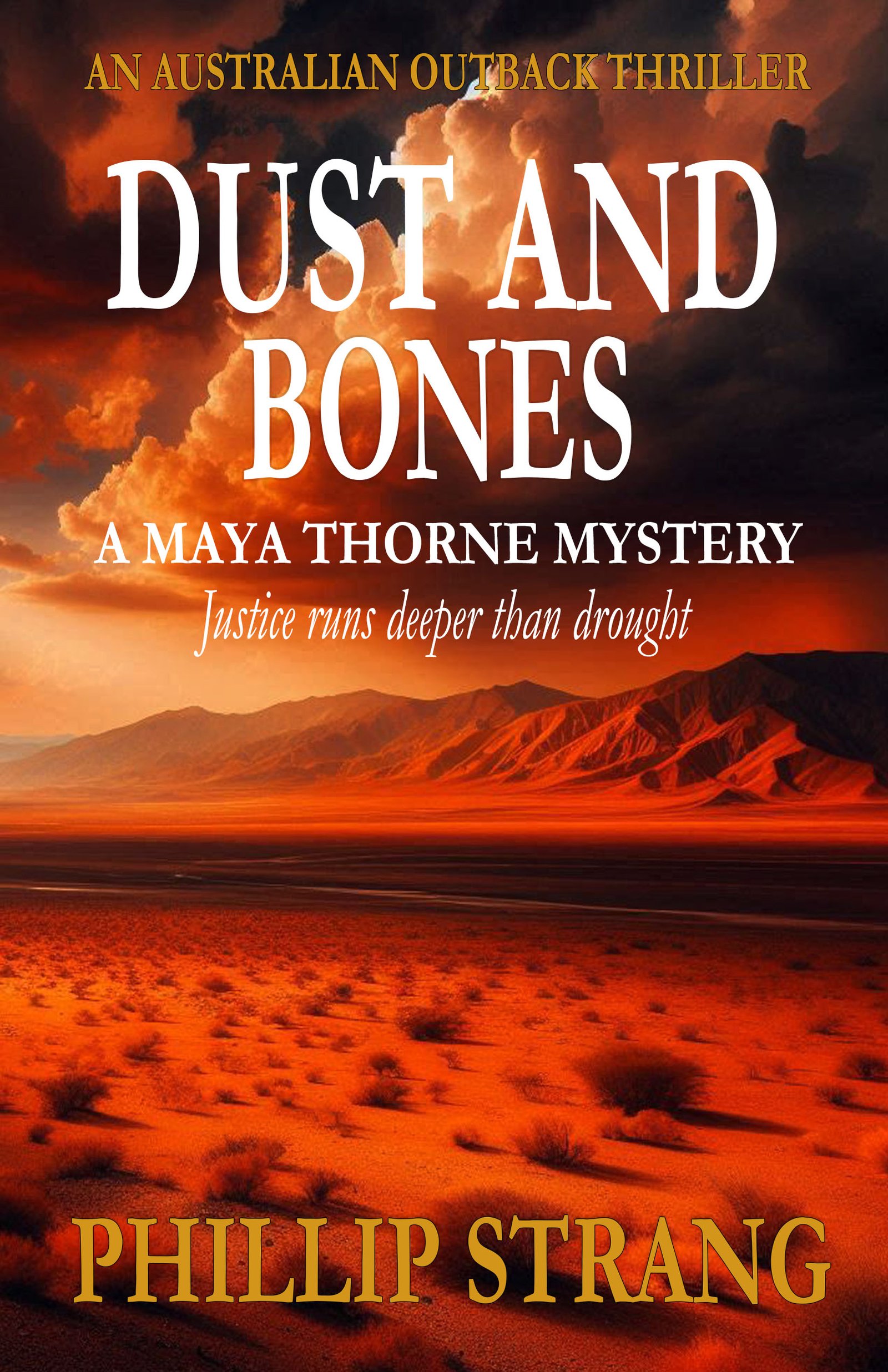
A MAYA THORNE MYSTERY
Get Dust and Bones Free
Justice runs deeper than drought.
Red dust. Shallow graves. A detective who hunts killers where the law runs thin and the nearest help is two hundred miles away.
Send Me the BookYou'll also receive occasional new release emails. Unsubscribe anytime. No spam, ever.
As an Amazon Associate, Phillip Strang earns from qualifying purchases. This page contains affiliate links — buying through them costs you nothing extra.