
Sex in crime fiction isn’t about titillation—it’s about plot advancement, character revelation, and psychological truth. The question isn’t whether to include intimate scenes, but when they serve the story’s deeper mechanics and when they become gratuitous padding that weakens the narrative drive.
Across eighteen series and more than 150 novels, I’ve found that the most effective intimate scenes in crime fiction function as turning points where characters make choices that propel them toward or away from danger. They’re never decoration.
The Plot Function Test
Every intimate scene must earn its place through plot necessity. In my DI Tremayne series, when Tremayne becomes involved with a key witness, that intimacy creates a conflict of professional duty that drives the investigation’s direction. The scene exists because it changes everything—his judgment becomes compromised, the witness becomes vulnerable, and the killer gains leverage.
Sex scenes that fail this test feel inserted rather than integral. They interrupt momentum instead of creating it. The reader senses the author’s uncertainty, and trust erodes. I apply a simple criterion: if removing the scene requires no plot adjustments, it doesn’t belong in the manuscript.
Consider how intimacy functions in the context of best police procedural novels. The scenes that work always complicate the detective’s world in ways that matter to the case. They create new stakes, reveal character flaws, or expose vulnerabilities the antagonist can exploit.
Character Psychology and Vulnerability
Crime fiction thrives on psychological pressure, and intimate moments reveal character under that pressure. How does your protagonist behave when their guard is down? What do they reveal about their fears, their damage, their capacity for connection? These revelations must connect to their effectiveness as investigators or their susceptibility to the criminal’s manipulation.
In my Maya Thorne outback crime series, intimate scenes occur when Thorne is most isolated and vulnerable to the harsh environment. The intimacy becomes a form of survival, a human connection that either strengthens her resolve or clouds her judgment about the dangers surrounding her. The physical intimacy mirrors her psychological state—exposed, raw, fighting for connection in a hostile landscape.
The key is specificity. Generic passion tells us nothing about character. But a detective who can’t maintain eye contact during intimacy, or who keeps their weapon within reach, or who uses physical connection to avoid emotional honesty—these details illuminate psychology that affects their investigative approach.
How I Actually Approach These Scenes
When I write intimate scenes, I focus on what the characters are thinking, not what they’re doing physically. The internal dialogue reveals far more than anatomical descriptions. I ask what each character wants from this moment beyond physical pleasure—control, escape, connection, information, revenge? Those deeper motivations drive the scene’s tension.
I write these scenes in the same direct style I use for interrogation scenes or chase sequences. No purple prose, no euphemisms that would sound ridiculous in a crime narrative. The language matches the book’s overall tone. If your detective speaks in clipped, professional sentences during the investigation, they don’t suddenly become poetic in the bedroom unless that contrast reveals something crucial about their psychology.
The aftermath matters more than the act itself. How do the characters behave differently toward each other and toward the case? What new complications arise? In best action thriller novels, intimate scenes often precede betrayals or revelations that reshape the protagonist’s understanding of who they can trust.
Common Mistakes That Weaken Crime Fiction
The biggest error is writing intimate scenes that exist in isolation from the criminal plot. I’ve read manuscripts where the detective has a passionate encounter that’s never referenced again, creates no complications, and reveals nothing new about character. These scenes feel like the author believed they were mandatory rather than motivated by story needs.
Another frequent mistake is mismatched tone. Crime fiction maintains a certain psychological intensity, even in quiet moments. Intimate scenes that shift into romance novel territory—complete with flowing hair and heaving bosoms—jar the reader out of the crime narrative’s mindset. The language should reflect the characters’ backgrounds and the story’s overall atmosphere.
Timing errors also undermine effectiveness. Placing intimate scenes immediately after violent crimes or tragic discoveries suggests characters who lack appropriate emotional responses. Unless that disconnect is intentional characterization—showing a protagonist’s psychological damage—it reads as poor judgment by the author.
Perhaps most damaging is using intimate scenes as rewards for protagonists rather than as plot complications. Crime fiction protagonists shouldn’t get uncomplicated happiness in the middle of dangerous investigations. Every positive development should carry potential consequences.
When Violence and Intimacy Intersect
Crime fiction often explores the psychological connection between violence and sexuality, but this requires extremely careful handling. The intersection works when it illuminates criminal psychology or shows how trauma affects the protagonist’s capacity for normal relationships. It fails when it becomes exploitative or when violence is sexualized for shock value.
In my Steve Case espionage series, intimate scenes often carry the threat of violence—Case never knows if his partner is ally or enemy. The physical intimacy becomes a form of psychological warfare, each character seeking information or advantage while maintaining the fiction of mutual desire. This reflects the paranoid world of best espionage thrillers, where personal connections are weapons.
The key is ensuring that any violence-intimacy connection serves character development or plot advancement rather than gratuitous shock. Readers of crime fiction expect psychological complexity, not exploitation.
Conclusion
Writing sex in crime fiction requires the same discipline as writing any other scene—clear purpose, character consistency, and plot integration. When intimate scenes advance the criminal investigation or complicate the protagonist’s pursuit of justice, they strengthen the narrative. When they exist for their own sake, they weaken it.
About Phillip Strang
Phillip Strang is an Australian crime and thriller novelist. Across eighteen series and more than 150 novels, his work spans London police procedurals (DCI Isaac Cook), UK investigations (DI Tremayne), Australian outback crime (Maya Thorne), FBI thrillers (Alex Harlan), Scottish Highland mysteries (DI Sarah Lynch), and espionage (Steve Case). Learn more about Phillip or browse his complete catalogue on Amazon.
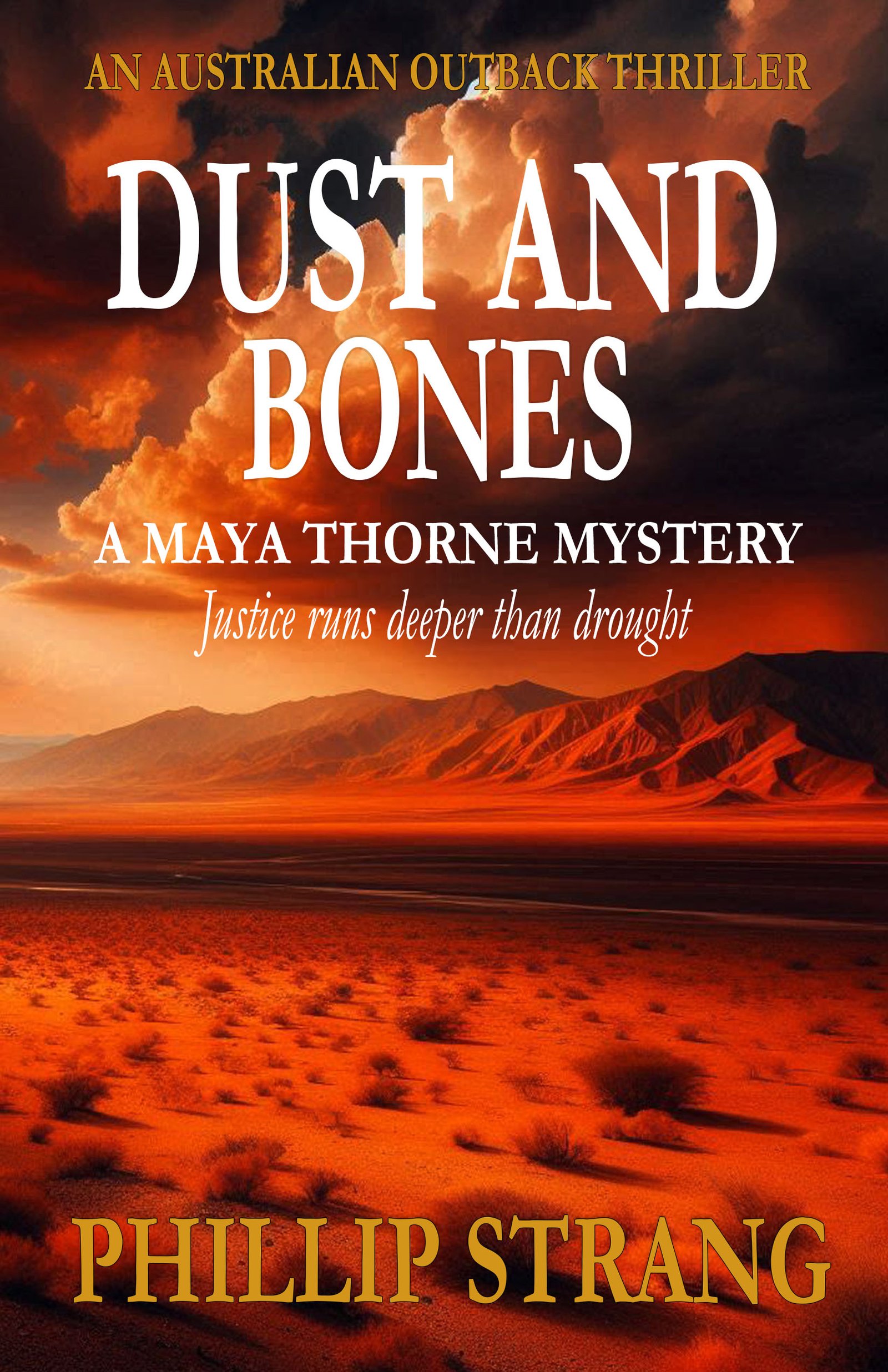
A MAYA THORNE MYSTERY
Get Dust and Bones Free
Justice runs deeper than drought.
Red dust. Shallow graves. A detective who hunts killers where the law runs thin and the nearest help is two hundred miles away.
Send Me the BookYou'll also receive occasional new release emails. Unsubscribe anytime. No spam, ever.
As an Amazon Associate, Phillip Strang earns from qualifying purchases. This page contains affiliate links — buying through them costs you nothing extra.