
The travelling investigation presents one of crime fiction’s most challenging technical demands. When your protagonist must follow leads across cities, countries, or continents, every transition carries the weight of maintaining authenticity while avoiding the narrative drag that kills momentum.
Across eighteen series and more than 150 novels, I have found that the travelling investigation succeeds or fails on the author’s ability to make location changes feel inevitable rather than convenient. The geography must serve the story’s logic, not the writer’s desire for exotic backdrops.
Research Without Becoming a Travel Writer
The cardinal sin of the travelling investigation is turning your crime novel into a travelogue. Readers follow your detective to Bangkok or Berlin for the case, not for cultural observations about local cuisine or architectural history. Every detail about place must serve the investigation’s needs or reveal character under pressure.
When I wrote my Steve Case espionage series, the locations from London to Moscow to Sydney required different research approaches. For operational details, I focused on how intelligence services actually function in each city rather than tourist attractions. The goal is authenticity that supports plot momentum, not Wikipedia dumps about local customs.
Effective location research targets three specific areas: how law enforcement operates in that jurisdiction, what practical challenges your protagonist faces, and which unique elements of place can drive plot complications. Everything else is atmospheric padding that slows the investigation.
Jurisdictional Logic and Legal Authenticity
Real investigations crossing borders face bureaucratic nightmares that fiction often ignores. Your protagonist cannot simply flash a badge and commandeer resources in foreign territory. The constraints of jurisdiction must feel authentic, even when you need to streamline them for narrative purposes.
Different legal systems create natural conflict and tension. A London detective working with Australian authorities faces procedural differences that can complicate evidence gathering or suspect interviews. These aren’t just background details—they’re plot engines that create obstacles your protagonist must navigate intelligently.
The best travelling investigations use jurisdictional limitations as story drivers. When my DCI Isaac Cook worked cases extending beyond London, the friction between different police forces created complications that felt organic to the story rather than artificially imposed. Readers accept procedural shortcuts if the underlying logic feels sound.
Character Adaptation Under Geographical Pressure
Your protagonist’s personality should shift subtly but noticeably when operating outside their comfort zone. A detective who commands respect in their home territory becomes more vulnerable, more dependent on local contacts, more prone to making assumptions that prove dangerous.
This vulnerability creates character development opportunities that static locations cannot provide. Your normally confident investigator must adapt to different communication styles, learn to read unfamiliar social cues, or work within constraints they’ve never encountered. These pressures reveal character depths that domestic cases rarely expose.
The geographical displacement also affects supporting characters differently. Local contacts become more crucial, and their motivations more complex. A helpful local might have agenda that only becomes apparent as your protagonist learns more about the region’s particular dynamics.
How I Structure Multi-Location Investigations
My approach starts with mapping the investigation’s logical progression before considering exotic destinations. The case must demand travel, not accommodate it. If the story works equally well in a single location, the multiple settings are probably gratuitous.
I typically limit travelling investigations to three major locations maximum. More than that fragments the narrative and dilutes the sense of place that makes each setting effective. Each location must serve a specific investigative function—initial crime scene, key witness location, final confrontation—with clear reasons why the protagonist cannot handle these elements remotely.
Transition scenes between locations focus on investigative momentum rather than travel logistics. Readers don’t need detailed airport scenes or customs procedures unless they directly impact the case. The goal is maintaining tension across geographical shifts, not documenting transportation methods.
When writing my Maya Thorne Australian outback series, I learned that even domestic travel creates similar challenges when moving between vastly different environments. The techniques for managing urban-to-remote transitions apply equally to international location changes.
Common Pitfalls That Kill Momentum
The most frequent mistake is treating each new location as an opportunity to reset the investigation’s pace. Writers often pause the forward momentum to establish atmosphere or provide cultural context that readers haven’t requested. This breaks the tension that propels readers through complex plots.
Equally problematic is the coincidence trap, where crucial evidence or witnesses conveniently appear in each new location. Real investigations involve dead ends, false leads, and wasted trips. Your travelling detective should occasionally chase leads that prove worthless or encounter locations that complicate rather than advance the case.
Many writers also underestimate the logistical challenges their protagonists should face. Jet lag affects judgment, language barriers create miscommunications, and unfamiliar technology or procedures slow down typically efficient investigators. These realistic obstacles create authentic tension without relying on contrived plot devices.
The tendency to make each location more exotic than the last also undermines credibility. Not every stop in a travelling investigation needs dramatic scenery or cultural extremes. Sometimes the most effective locations are mundane places that provide unexpected complications or revelations.
Maintaining Series Consistency Across Borders
For series writers, travelling investigations test your protagonist’s established characteristics against new environments. Core personality traits should remain consistent while showing how different pressures bring out different aspects of their problem-solving approach.
Supporting character relationships also require careful handling when the investigation moves beyond the series’ home base. Regular team members might have reduced roles, creating space for new local contacts while maintaining the interpersonal dynamics that series readers expect.
The challenge is keeping your series protagonist recognizable while allowing them to grow through encounters with unfamiliar territories and cultures. This balance between consistency and development drives both individual book satisfaction and long-term series evolution.
Consider how police procedural novels handle this balance differently than espionage thrillers, where international scope is more naturally integrated into the protagonist’s world.
Conclusion
The travelling investigation succeeds when geography serves story rather than dominating it. Every location change must advance the case while creating authentic obstacles that test your protagonist in ways familiar settings cannot. Master this balance, and multiple locations become powerful tools for both plot development and character growth.
About Phillip Strang
Phillip Strang is an Australian crime and thriller novelist. Across eighteen series and more than 150 novels, his work spans London police procedurals (DCI Isaac Cook), UK investigations (DI Tremayne), Australian outback crime (Maya Thorne), FBI thrillers (Alex Harlan), Scottish Highland mysteries (DI Sarah Lynch), and espionage (Steve Case). Learn more about Phillip or browse his complete catalogue on Amazon.
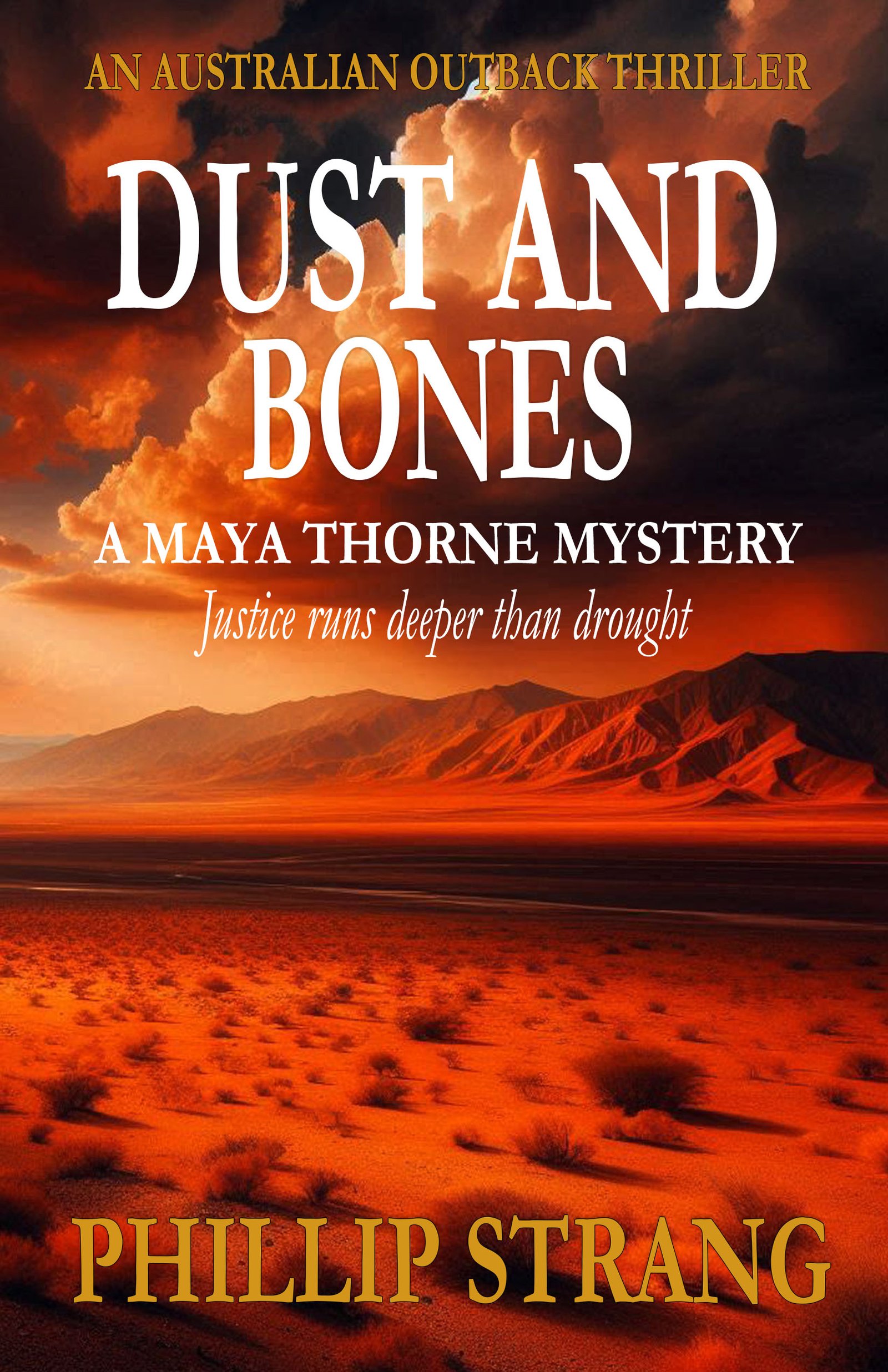
A MAYA THORNE MYSTERY
Get Dust and Bones Free
Justice runs deeper than drought.
Red dust. Shallow graves. A detective who hunts killers where the law runs thin and the nearest help is two hundred miles away.
Send Me the BookYou'll also receive occasional new release emails. Unsubscribe anytime. No spam, ever.
As an Amazon Associate, Phillip Strang earns from qualifying purchases. This page contains affiliate links — buying through them costs you nothing extra.