
Most crime writers treat their backlist like evidence locked away in storage—forgotten, gathering dust, presumed irrelevant. The assumption that older titles have exhausted their commercial potential represents one of the most costly misconceptions in genre publishing, particularly when market dynamics shift faster than a serial killer changing hunting grounds.
Across eighteen series and more than 150 novels, I’ve discovered that relaunching old crime fiction titles often proves more profitable than chasing new concepts. The challenge isn’t whether your backlist deserves resurrection—it’s understanding why certain titles failed initially and what market conditions have changed since their first release.
Understanding Why Crime Titles Fail the First Time
Publishing timing in crime fiction operates like witness testimony—context determines credibility. A police procedural that felt derivative during the height of Nordic noir might find eager readers now that domestic procedurals have regained prominence. When I first released early entries in my DCI Isaac Cook series, the market was saturated with gritty London crime. Those same books found new life when readers began seeking more traditional investigative approaches over psychological complexity.
Market oversaturation kills more good crime novels than poor plotting. A solid terrorism thriller released alongside twenty similar titles will disappear regardless of quality. The same book, launched when readers crave that specific tension, becomes commercially viable. Your backlist contains stories waiting for their moment, not stories that missed their moment permanently.
Cover design trends shift dramatically in crime fiction. What signaled quality five years ago now screams amateur hour. Readers make purchase decisions within seconds, and outdated visual cues trigger immediate rejection. The story inside might be exceptional, but the packaging broadcasts obsolescence.
Identifying Which Titles Merit Relaunching
Not every backlist title deserves revival. Focus on books that received positive reader feedback but minimal commercial success. Check review patterns—consistent four and five-star ratings with low review counts indicate good stories that never found their audience. Poor ratings suggest fundamental problems that relaunching won’t solve.
Examine the crime subgenres gaining momentum. Police procedurals cycle through popularity phases, and what felt stale three years ago might align perfectly with current reader appetites. Track Amazon categories, bestseller lists, and emerging themes in successful new releases to identify opportunity gaps your backlist might fill.
Series potential adds significant value to relaunch candidates. Standalone novels require individual marketing efforts, but the first book in a potential series creates ongoing revenue streams. I’ve seen authors transform forgotten standalones into series foundations, using the relaunch as an opportunity to establish continuing characters and recurring settings that support long-term publishing strategies.
My Practical Approach to Backlist Relaunching
When I decided to relaunch several titles from my Steve Case series, I treated each book as a completely new publication. This means fresh covers designed according to current genre conventions, updated back cover copy that reflects contemporary marketing language, and revised front matter that positions the story within today’s market context.
Timing the relaunch requires strategic patience. I coordinate releases with seasonal crime fiction trends—psychological thrillers perform better in winter months, while action-oriented stories find larger audiences during summer reading periods. The goal is positioning relaunched titles when reader attention naturally gravitates toward those story types.
I also leverage the improved author platform I’ve built since the original publication. Early books often suffer from limited author visibility and weak marketing foundations. Relaunching with an established readership, email list, and social media presence provides advantages the original release lacked. The same story reaches exponentially more potential readers when backed by proper promotional infrastructure.
Pricing strategy for relaunched titles differs from new releases. I often begin with promotional pricing to generate initial momentum, then gradually increase to standard levels as sales velocity builds. The objective is overcoming the inertia that killed the original release, not maximizing immediate revenue per unit.
What Kills Relaunch Efforts Before They Start
The biggest mistake involves treating a relaunch as simply republishing an old book with a new cover. Successful relaunching requires the same strategic planning as launching genuinely new titles. Authors who skip market analysis, ignore contemporary packaging expectations, or fail to develop proper promotional campaigns waste the opportunity entirely.
Many writers attempt to relaunch too many titles simultaneously. This dilutes promotional efforts and confuses readers about which book represents the author’s current focus. I recommend spacing relaunches at least sixty days apart, allowing each title to build independent momentum before introducing the next candidate.
Another common error involves ignoring the original failure reasons. If a book initially struggled because of pacing issues, weak character development, or plot holes, those problems will resurface regardless of improved marketing. Sometimes the story itself needs revision before relaunching becomes viable. I’ve seen authors invest heavily in promoting fundamentally flawed books, achieving the same disappointing results as the original release.
Unrealistic expectations also doom relaunch efforts. Backlist titles rarely achieve immediate bestseller status, even with superior marketing. The goal should be steady, sustainable sales that justify the investment over months, not explosive short-term success. Authors who expect relaunched books to perform like hot new releases often abandon effective strategies prematurely.
Building Long-term Value from Backlist Revival
Successful relaunching creates compound benefits beyond individual title sales. Each revived book strengthens your overall brand visibility and provides additional touchpoints for new reader discovery. When someone discovers your latest release, they encounter a robust catalog of available titles rather than a sparse selection that suggests limited publishing experience.
The process also teaches valuable lessons about market dynamics and reader preferences that improve future publishing decisions. Understanding why certain stories failed initially and what changes enabled their revival develops instincts for timing, positioning, and audience targeting that benefit all subsequent releases.
Consider relaunching as backlist archaeology—excavating valuable assets that circumstances buried rather than quality condemned. Crime fiction markets operate in cycles, and today’s overlooked thriller might become tomorrow’s exactly-what-readers-want discovery. The key lies in recognizing which buried treasures merit the digging effort and approaching the excavation with the same professionalism you’d apply to any new publication.
Conclusion
Relaunching old crime fiction titles demands the same strategic thinking required for new releases, but offers the advantage of proven story foundations. Your backlist contains potential revenue that poor timing or inadequate marketing initially suppressed, not stories that markets definitively rejected.
About Phillip Strang
Phillip Strang is an Australian crime and thriller novelist. Across eighteen series and more than 150 novels, his work spans London police procedurals (DCI Isaac Cook), UK investigations (DI Tremayne), Australian outback crime (Maya Thorne), FBI thrillers (Alex Harlan), Scottish Highland mysteries (DI Sarah Lynch), and espionage (Steve Case). Learn more about Phillip or browse his complete catalogue on Amazon.
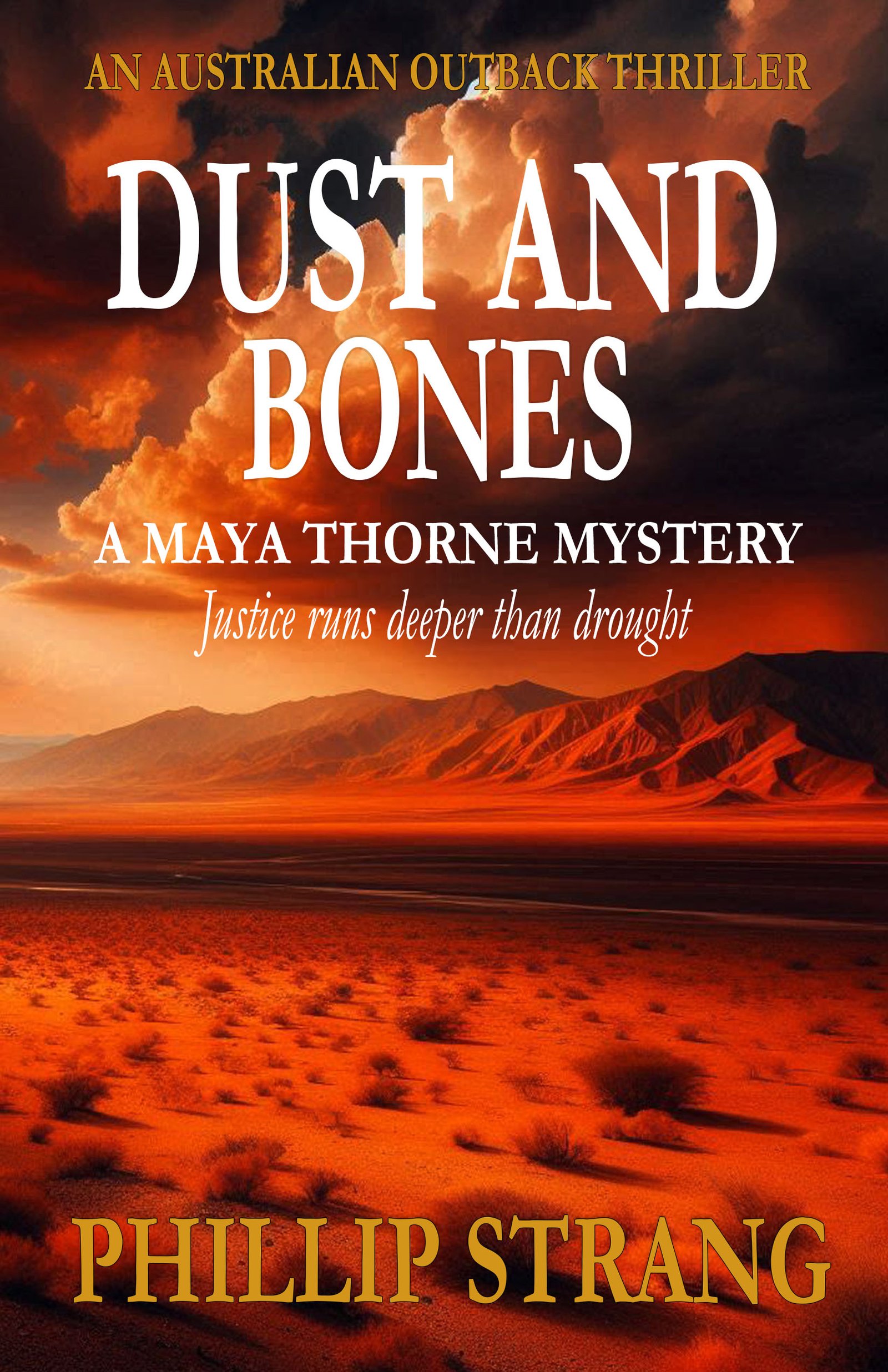
A MAYA THORNE MYSTERY
Get Dust and Bones Free
Justice runs deeper than drought.
Red dust. Shallow graves. A detective who hunts killers where the law runs thin and the nearest help is two hundred miles away.
Send Me the BookYou'll also receive occasional new release emails. Unsubscribe anytime. No spam, ever.
As an Amazon Associate, Phillip Strang earns from qualifying purchases. This page contains affiliate links — buying through them costs you nothing extra.