
The hard-boiled tradition remains one of the most commercially viable approaches in crime fiction, yet many writers misunderstand what actually makes it work. The appeal isn’t just the cynical detective or urban setting—it’s a specific set of craft techniques that create immediacy and emotional punch. These elements, when executed properly, still outsell more literary approaches because they tap into fundamental storytelling principles that haven’t changed since Hammett first put pen to paper.
Across eighteen series and more than 150 novels, I’ve found that the writers who succeed in this tradition understand it’s not about copying surface elements but mastering the underlying craft mechanics. The hard-boiled approach offers a template for lean storytelling that works across subgenres, from urban police procedurals to outback crime, because it prioritizes reader engagement over literary flourishes. When done right, these techniques create the page-turning quality that keeps books selling.
Lean Dialogue That Carries Weight
Hard-boiled dialogue succeeds because every exchange serves multiple functions simultaneously. Characters never just exchange information—they reveal personality, advance plot, and build tension through what they don’t say as much as what they do. This efficiency comes from understanding that dialogue in crime fiction must always have subtext, and that subtext should be accessible to readers without being obvious.
The key lies in making characters speak like real people while ensuring every line has purpose. When I write exchanges for my DCI Isaac Cook series, each conversation between Cook and his suspects operates on at least two levels: the surface investigation and the psychological chess match beneath. Characters deflect, misdirect, and reveal themselves through speech patterns and word choices, not through exposition.
Effective hard-boiled dialogue also embraces interruption and incompleteness. Real people don’t finish thoughts, they talk over each other, and they leave crucial things unsaid. This creates the rhythm that makes scenes feel urgent and authentic, which translates directly into commercial appeal because readers feel they’re eavesdropping on real conversations rather than reading scripted exchanges.
Character Motivation Over Character Backstory
The hard-boiled tradition succeeds because it focuses on what characters want right now rather than where they came from. This approach creates immediate engagement because readers don’t need to wade through extensive backstory to understand why someone acts. The best hard-boiled characters are driven by clear, understandable motivations that create conflict in the present moment.
This doesn’t mean characters lack depth, but rather that their complexity emerges through action and decision-making under pressure. When developing protagonists for different settings, I’ve learned that readers connect faster with characters defined by their current dilemmas than their past traumas. The investigation itself becomes the crucible that reveals character, making exposition unnecessary.
Modern readers, especially those drawn to police procedural novels, want to see competent professionals dealing with immediate challenges. They’ll invest in backstory once they’re hooked by present-tense conflict, but front-loading character history kills momentum. The hard-boiled approach understands this and builds character through response to crisis rather than through biographical detail.
Moral Ambiguity as Commercial Strategy
The moral complexity that defines hard-boiled fiction isn’t just literary posturing—it’s a commercial advantage because it mirrors how readers actually experience ethical decisions. People don’t live in worlds of clear-cut right and wrong, and crime fiction that acknowledges this complexity feels more authentic and engaging than stories with obvious moral frameworks.
This ambiguity works because it forces readers to think while they read, creating the kind of engagement that generates word-of-mouth recommendations. When characters face choices where every option has costs, readers become invested in the decision-making process. They start rooting for characters not because those characters are good, but because their choices feel real and consequential.
In my Maya Thorne series, the isolation of the outback setting amplifies these moral dilemmas because characters can’t rely on institutional backup. They must make difficult choices with incomplete information, and those choices have lasting consequences that affect subsequent books. This creates series momentum because readers want to see how earlier decisions play out over time.
My Working Method for Hard-Boiled Structure
I approach hard-boiled structure by starting with the moment everything goes wrong and working backwards to establish just enough context for readers to understand the stakes. This reverses the typical approach of building up to conflict, instead dropping readers into the middle of problems and letting them piece together the background through investigation alongside the protagonist.
Each chapter ends with either new information that changes everything or a decision that can’t be undone. This creates forward momentum without relying on artificial cliffhangers. The investigation structure provides natural chapter breaks because each new lead or interview represents a discrete unit of story progress that feels complete while advancing the larger narrative.
The key insight from working across multiple series is that hard-boiled pacing depends on information control. Readers need enough facts to follow the logic while being kept in the dark about crucial connections until the reveal feels both surprising and inevitable. This balance determines whether a book feels satisfying or manipulative, and getting it right requires understanding exactly what readers need to know at each stage of the investigation.
Common Mistakes That Kill Hard-Boiled Effectiveness
The most frequent error is confusing cynicism with sophistication. Writers create protagonists who sneer at everything without offering any positive values, forgetting that effective hard-boiled characters are cynical about systems and institutions while still caring about individual victims. A detective who doesn’t care about solving the case gives readers no reason to invest in the outcome.
Another common problem is overdoing the atmospheric elements while neglecting plot mechanics. Writers get caught up in creating mood through extended descriptions of urban decay or internal monologue about the corruption of modern life, but readers of action thriller novels want forward movement. The atmosphere should emerge from the events of the story, not substitute for them.
Many writers also mistake complexity for confusion, creating unnecessarily convoluted plots that require lengthy explanations rather than elegant revelations. The hard-boiled tradition works best with relatively simple core mysteries that become complex through character interaction and moral implications, not through elaborate plotting that requires charts to follow. When readers need to flip back through pages to understand what happened, the story has failed regardless of how clever the solution might be.
Conclusion
The hard-boiled tradition endures because it offers proven techniques for creating the kind of immediate, engaging storytelling that sells books. These aren’t outdated conventions but refined methods for delivering the reading experience that crime fiction audiences seek: characters they care about facing real consequences in situations that feel authentic and urgent.
About Phillip Strang
Phillip Strang is an Australian crime and thriller novelist. Across eighteen series and more than 150 novels, his work spans London police procedurals (DCI Isaac Cook), UK investigations (DI Tremayne), Australian outback crime (Maya Thorne), FBI thrillers (Alex Harlan), Scottish Highland mysteries (DI Sarah Lynch), and espionage (Steve Case). Learn more about Phillip or browse his complete catalogue on Amazon.
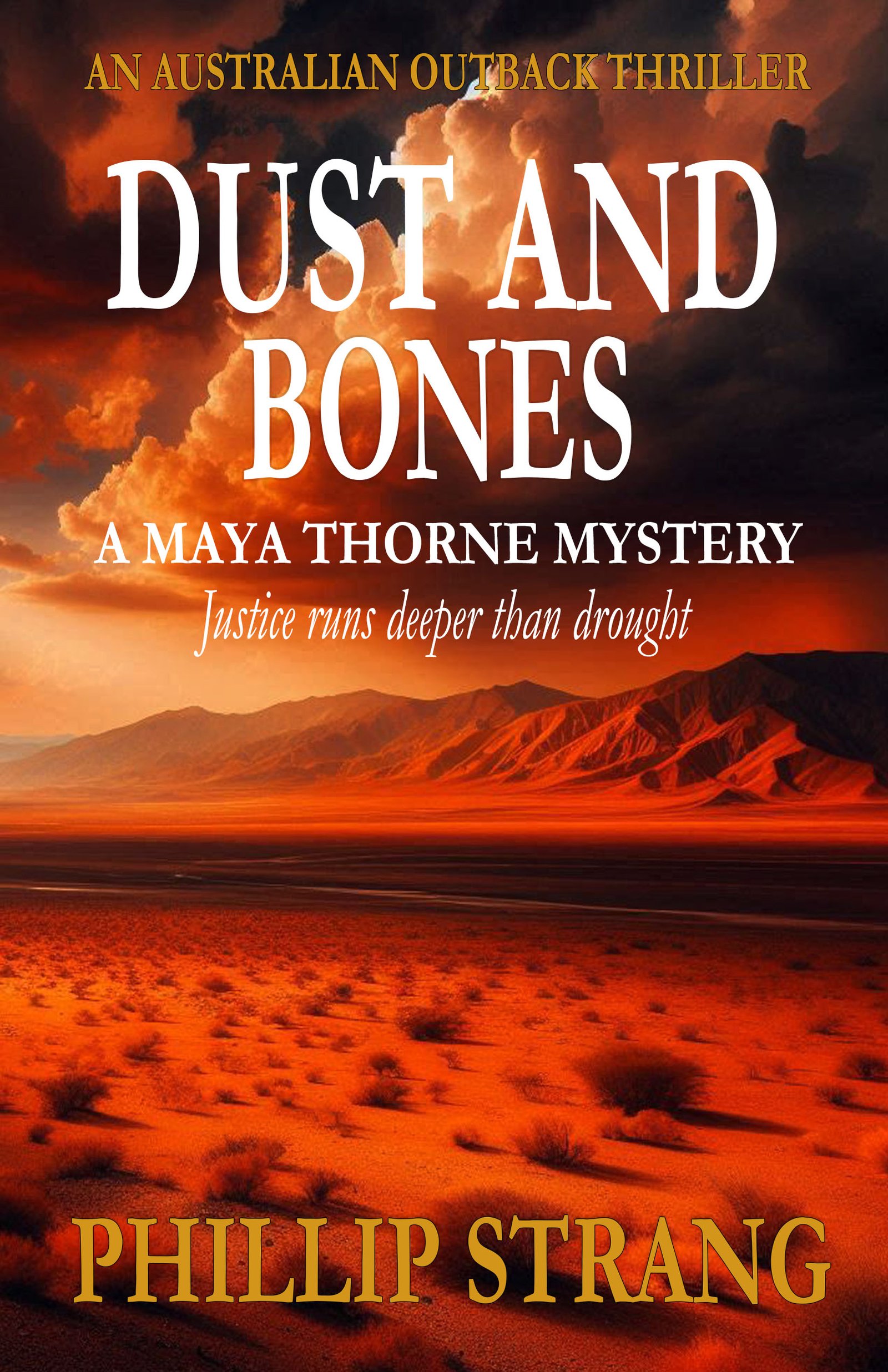
A MAYA THORNE MYSTERY
Get Dust and Bones Free
Justice runs deeper than drought.
Red dust. Shallow graves. A detective who hunts killers where the law runs thin and the nearest help is two hundred miles away.
Send Me the BookYou'll also receive occasional new release emails. Unsubscribe anytime. No spam, ever.
As an Amazon Associate, Phillip Strang earns from qualifying purchases. This page contains affiliate links — buying through them costs you nothing extra.