
Crime fiction anthologies demand a completely different skill set than novel writing, requiring authors to compress all the essential elements of compelling crime fiction into a fraction of the space. The challenge isn’t simply cutting scenes or reducing subplots—it’s reimagining how character development, plot structure, and atmospheric tension work when you have perhaps five thousand words instead of eighty thousand.
Across eighteen series and more than 150 novels, I’ve found that the authors who excel at anthology work understand that short crime fiction operates on entirely different principles than their longer works. The techniques that serve you well in a full-length police procedural can actively work against you in the compressed format of anthology pieces.
The Architecture of Compressed Crime
Short crime fiction requires architectural precision that would make a Swiss watchmaker envious. Every sentence must serve multiple purposes—advancing plot, revealing character, building atmosphere, or establishing stakes. There’s no room for the leisurely character introductions or detailed scene-setting that novel writers often rely upon.
The opening must immediately establish the crime fiction contract with the reader while introducing enough character detail to create investment. I’ve learned to start anthology pieces in the middle of action or consequence, then weave in essential backstory through dialogue and character reactions rather than exposition. When I wrote a short piece featuring a character similar to those in my DCI Isaac Cook series, I began with the detective already standing over the body, his internal monologue revealing both his investigative process and personal history through his observations of the crime scene.
The investigation itself must be streamlined without feeling rushed or superficial. This means choosing one central mystery element rather than the multiple plot threads that drive longer works. The solution should feel inevitable in retrospect while remaining genuinely surprising in the moment—a balance that requires every clue to be precisely placed and weighted.
Character Development in Miniature
Creating compelling characters in short crime fiction means abandoning the gradual revelation techniques that work in novels. Instead, you must reveal character through decisive action and sharp dialogue that cuts straight to the psychological core. The detective, victim, and perpetrator must each feel fully realized despite appearing for only a few pages.
I focus on one defining characteristic per character, then ensure every action and line of dialogue reinforces or complicates that trait. The gruff detective might show unexpected gentleness with a witness, the nervous suspect might display sudden cunning, the grieving family member might reveal hidden anger. These contradictions create depth without requiring extensive backstory.
Supporting characters must be sketched with economical precision. A single telling detail—the way someone holds their coffee cup, their choice of words under pressure, their reaction to authority—can establish more character reality than paragraphs of description. The key is choosing details that serve the story’s emotional and plot requirements while feeling authentic to the character’s world.
How I Actually Approach Short Crime Fiction
My process for anthology pieces differs completely from novel writing. I begin by identifying the single most compelling moment in the story—usually the revelation or confrontation—then work backward to determine the minimum setup required. This reverse engineering helps eliminate everything non-essential while ensuring the climax feels earned.
I write the ending first, then the opening, then fill in the middle. This approach prevents the meandering that kills short fiction pacing. Every scene must drive toward that predetermined conclusion with mechanical precision. When developing a story set in the Australian outback similar to my Maya Thorne series, I knew the final confrontation would happen at an abandoned mining station, which dictated every earlier scene’s purpose and location.
Dialogue becomes more crucial in short forms because it must accomplish multiple tasks simultaneously. Characters can’t engage in the realistic but meandering conversations that add texture to novels. Every exchange must reveal information, develop character, or advance the plot—preferably all three. I read all dialogue aloud to ensure it sounds natural while serving these compressed narrative demands.
Research must be focused and immediately applicable. Unlike novels where you might spend weeks researching forensic procedures, anthology research targets specific details that will appear directly in the story. This precision prevents the over-research that leads to clunky exposition in short fiction.
Fatal Mistakes in Short Crime Fiction
The most common error I see in anthology submissions is attempting to cram a novel’s worth of plot into short fiction. Writers introduce multiple suspects, complex motives, and elaborate forensic procedures that leave readers confused rather than satisfied. A story about a supposedly simple theft became incomprehensible when the author introduced corporate fraud, family secrets, and international connections in under four thousand words.
Another deadly mistake is neglecting the crime fiction reader’s expectations for resolution. Action thriller readers want justice, mystery readers want logical solutions, and procedural fans want competent police work. Short fiction can’t avoid these obligations simply because of space constraints. The resolution must feel complete, not truncated.
Overwriting destroys short crime fiction more quickly than underwriting. Authors often believe compressed fiction requires more dramatic language or intense description to compensate for reduced length. The opposite is true—spare, precise prose creates more impact than purple passages that consume precious word count without advancing the story.
Many writers also mishandle the relationship between action and reflection in short crime fiction. Extended internal monologues that work in novels become ponderous when you have limited space. Characters must reveal their psychology through action and dialogue rather than contemplation.
The Market Reality of Anthology Work
Understanding anthology editors’ needs changes how you approach short crime fiction. Editors want stories that complement their collection’s theme while standing alone as complete narratives. A story written for a police procedural anthology requires different emphasis than one intended for a psychological thriller collection, even if both feature similar crimes.
Theme compliance must feel organic rather than forced. If an anthology focuses on cold cases, the story should genuinely benefit from that framework rather than simply featuring an old unsolved crime as window dressing. The theme should generate story possibilities rather than constraining them.
Most anthology editors prefer stories that showcase an author’s distinctive voice while remaining accessible to readers unfamiliar with their longer works. This means avoiding inside references or character details that require knowledge of your novel series. A story inspired by my espionage work must function perfectly for readers who have never encountered those characters or settings.
Professional anthology submissions require the same attention to formatting and presentation as novel queries, but editors often make decisions more quickly. The story must capture attention immediately because editors typically know within the first page whether a submission fits their needs.
Conclusion
Crime fiction anthologies offer unique opportunities for writers willing to master their specific demands. The skills developed writing successful short crime fiction—precision, economy, immediate character establishment—inevitably improve your longer works as well.
About Phillip Strang
Phillip Strang is an Australian crime and thriller novelist. Across eighteen series and more than 150 novels, his work spans London police procedurals (DCI Isaac Cook), UK investigations (DI Tremayne), Australian outback crime (Maya Thorne), FBI thrillers (Alex Harlan), Scottish Highland mysteries (DI Sarah Lynch), and espionage (Steve Case). Learn more about Phillip or browse his complete catalogue on Amazon.
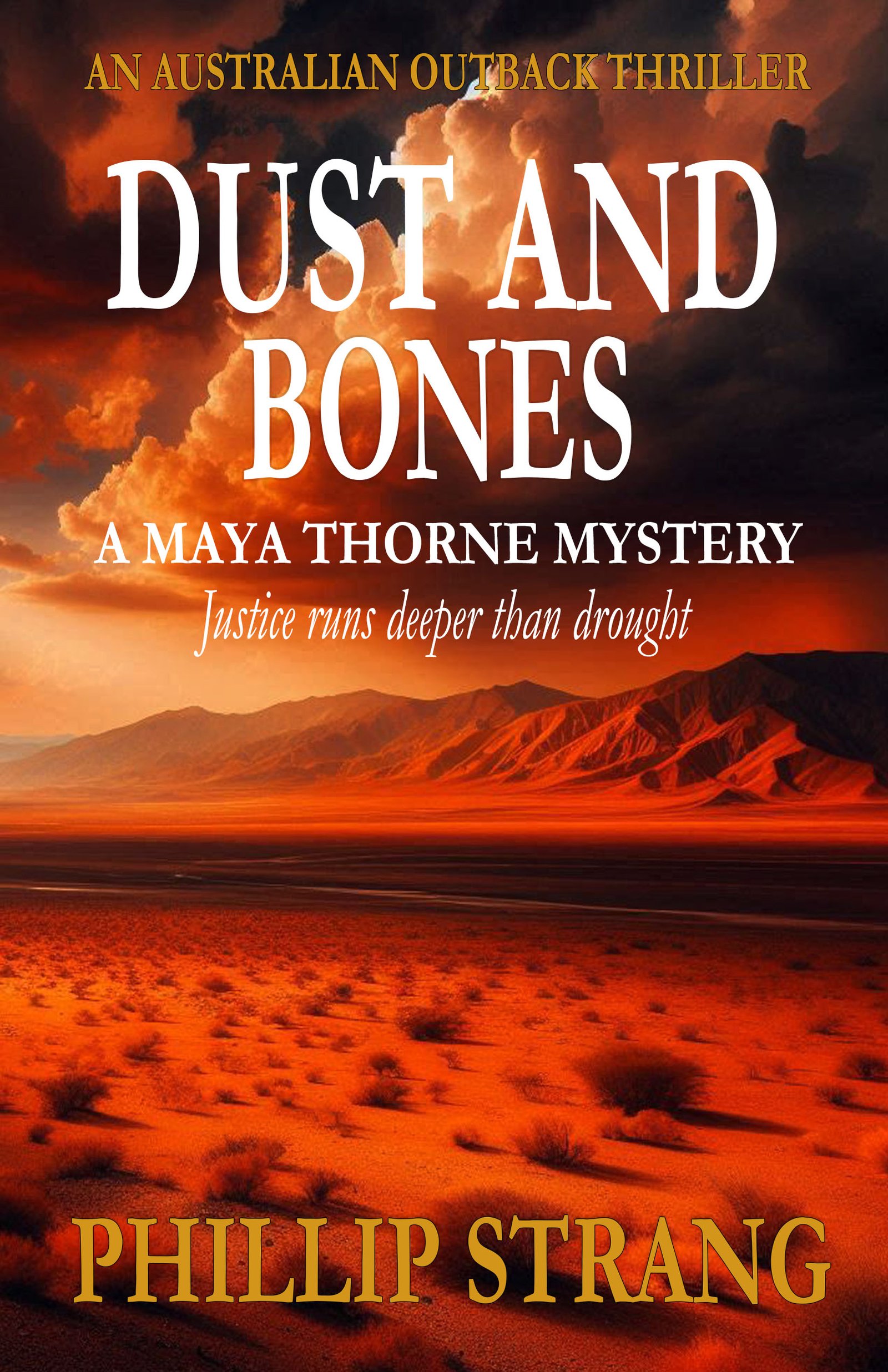
A MAYA THORNE MYSTERY
Get Dust and Bones Free
Justice runs deeper than drought.
Red dust. Shallow graves. A detective who hunts killers where the law runs thin and the nearest help is two hundred miles away.
Send Me the BookYou'll also receive occasional new release emails. Unsubscribe anytime. No spam, ever.
As an Amazon Associate, Phillip Strang earns from qualifying purchases. This page contains affiliate links — buying through them costs you nothing extra.