
Writing the Final Confrontation: Craft Lessons from 150 Published Books
The final confrontation in crime fiction carries the weight of every page that preceded it. Get it wrong, and readers will remember your book for all the wrong reasons. Get it right, and they’ll be reaching for the next book in your series before they’ve finished processing what just happened.
Across eighteen series and more than 150 novels I have found that the final confrontation is where craft meets instinct, where all your plotting decisions either pay off or fall apart. It’s not about explosions or shootouts—though those have their place—it’s about emotional truth colliding with narrative inevitability.
The Confrontation Must Earn Its Violence
Violence in the final confrontation should feel inevitable, not gratuitous. In my DCI Isaac Cook series, I’ve learned that readers can smell manufactured tension from chapters away. When Cook finally faces off with a killer, the violence emerges from character necessity, not plot convenience. The confrontation in ‘The Murder of a Dead Man’ works because Cook’s methodical nature clashes with the killer’s desperation—the violence becomes the only language they can both understand.
Physical confrontations need emotional scaffolding. Your detective’s final face-off with the antagonist should resolve not just the plot mystery, but the emotional journey you’ve been building. When Maya Thorne confronts killers in the Australian outback, the harsh landscape becomes a third character, amplifying the isolation and making every choice matter more. The environment doesn’t just provide a backdrop—it shapes how the confrontation unfolds.
Consider what your protagonist truly fears, then force them to face it. Not spiders or heights, but failure, abandonment, or becoming the very thing they’ve spent the book fighting against. The best confrontations happen when characters have no choice but to act against their natural inclinations.
Information Timing Determines Everything
The final confrontation is not the place for major revelations about your antagonist’s identity or motivation. Readers should understand the stakes and the players before the shooting starts. I structure my police procedural novels so that the emotional revelation—why this killer, why these victims, why now—comes in the penultimate chapter. The final confrontation then becomes about resolution, not exposition.
Your protagonist should enter the confrontation with knowledge, not ignorance. When DI Tremayne faces down a killer, he understands their psychology, their methods, their likely next moves. This doesn’t make the confrontation predictable—it makes it meaningful. The tension comes from execution, not mystery.
Save your plot surprises for the middle chapters. The final confrontation should feel like a chess game where both players can see the board clearly. The drama comes from watching them make their moves, knowing that each choice narrows the possibilities until only one outcome remains viable.
My Working Method for Writing Confrontations
I write the final confrontation twice: once for plot, once for emotion. The first draft focuses purely on what happens—who goes where, who says what, who gets hurt. It reads like a police report because that’s exactly what it should be at this stage. Clean, clear, actionable.
The second draft layers in the emotional reality. How does your protagonist’s breathing change when they realize they might not survive this? What does the antagonist’s voice sound like when they finally drop their mask? These details transform a sequence of events into an experience readers will remember.
I also test every confrontation against this question: could this scene happen between any detective and any killer, or is it specific to these characters? Generic confrontations feel interchangeable. In my action thriller novels, each final confrontation reflects the unique dynamic I’ve spent the entire book establishing between protagonist and antagonist.
Location matters more than most writers realize. I choose confrontation settings that amplify the themes I’ve been developing. Urban environments for stories about isolation in crowds. Remote locations for stories about self-reliance. The setting should feel like the only place this particular confrontation could happen.
Common Mistakes That Kill Confrontations
The biggest mistake I see writers make is the talking killer—the antagonist who explains their entire plan when they should be acting. Real confrontations happen fast and messy. When your killer has the drop on your protagonist, they don’t deliver a monologue about their childhood trauma. They act.
Another common error is the miraculous save. Your protagonist gets out of trouble not through skill or previous setup, but through coincidence or the sudden arrival of backup. In ‘Death at the Seaside,’ I deliberately wrote Tremayne into a corner with no external rescue possible. He had to solve his problem using resources and knowledge I’d already established. The solution felt earned because the setup was honest.
Writers also tend to make their protagonists too competent or too helpless in the final moments. Real people under extreme stress make both brilliant and stupid decisions, sometimes within seconds of each other. Your detective might perfectly read the killer’s psychology but then trip over their own feet at the crucial moment. Competence and vulnerability can coexist.
Avoid the false ending—the moment where readers think the confrontation is over, only to have the killer pop up for one more attack. This technique worked once, in the right book, decades ago. Now it feels tired. When your confrontation ends, let it end. Trust your readers to appreciate a clean resolution.
The Aftermath Matters as Much as the Action
What happens in the minutes after the confrontation tells readers more about your protagonist than the confrontation itself. How do they react when the adrenaline fades? What do they notice first—their own injuries, the damage to the scene, the silence where chaos had been?
I learned this lesson writing the Steve Case series. Case’s reactions after violent confrontations—checking on civilians first, automatically securing weapons, the slight tremor in his hands—became signature character moments that readers remembered longer than the action sequences themselves.
The aftermath also provides space to address practical consequences that pure action scenes skip over. Police interviews, medical treatment, media attention. These details ground your story in reality and give readers a chance to process what just happened. In my espionage thrillers, the post-confrontation scenes often reveal information that recontextualizes everything that came before.
Don’t rush to the next plot point. Give your characters and your readers time to breathe. The confrontation might be over, but its implications are just beginning to unfold.
Conclusion
Writing effective final confrontations comes down to understanding that they’re not really about the conflict—they’re about the resolution of everything you’ve been building throughout your book. The violence, the dialogue, the setting, and the outcome should all feel like the only way this particular story could end with these particular characters.
About Phillip Strang
Phillip Strang is the author of eighteen crime, thriller, and espionage series spanning more than 150 novels, including the DCI Isaac Cook London police procedurals, the DI Tremayne investigations, and the Maya Thorne series set in the Australian outback. Explore his books.
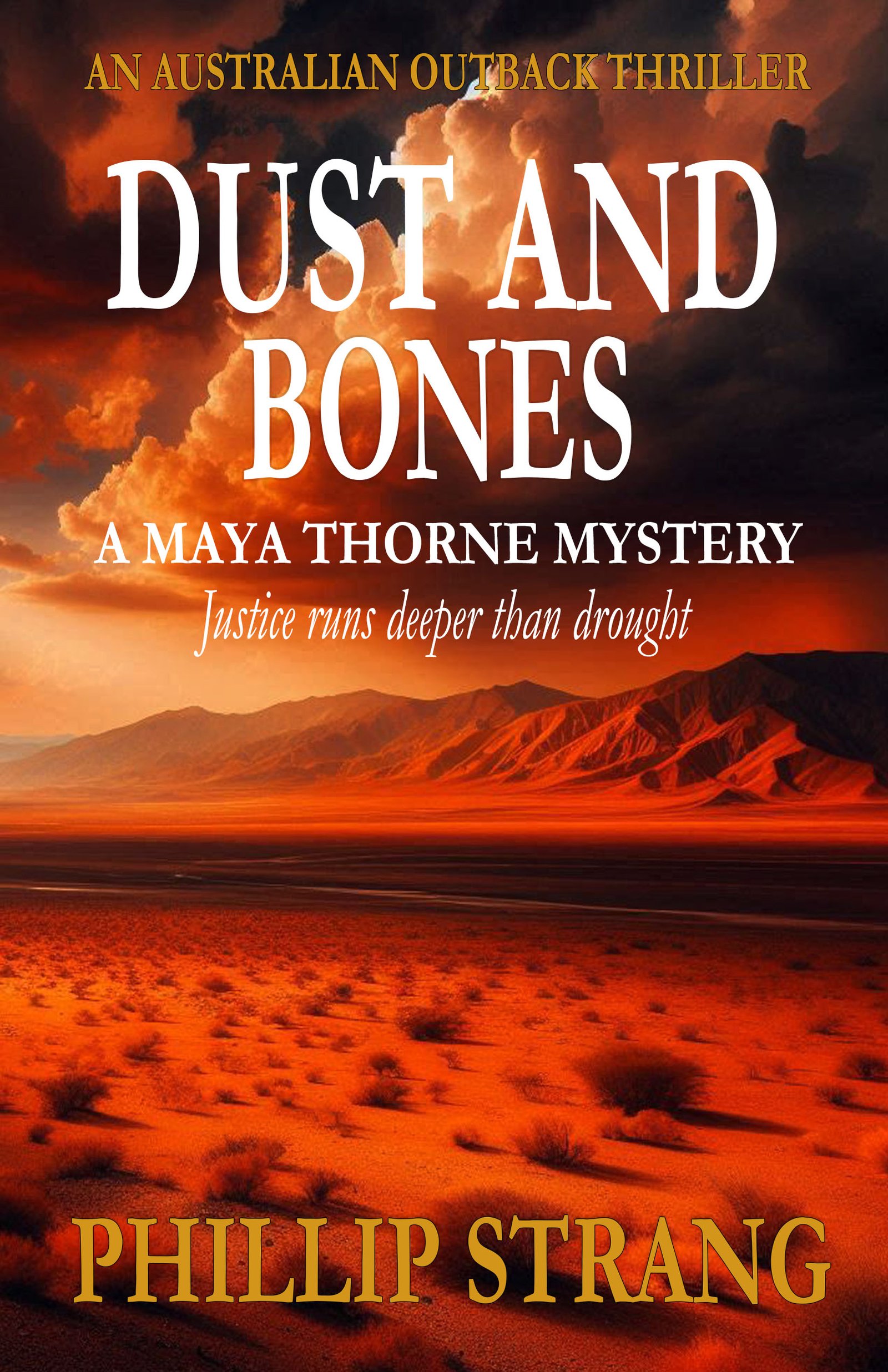
A MAYA THORNE MYSTERY
Get Dust and Bones Free
Justice runs deeper than drought.
Red dust. Shallow graves. A detective who hunts killers where the law runs thin and the nearest help is two hundred miles away.
Send Me the BookYou'll also receive occasional new release emails. Unsubscribe anytime. No spam, ever.